THE ADVENTURE COLLECTIVE® · Independent discovery and booking for outdoor travel

Watch the Himalaya ignite at dawn on a guided sunrise viewpoint and full-day hike from Kathmandu. This private outing pairs dramatic mountain panoramas with village trails and cultural stops.
Watch the Himalaya ignite at dawn on a guided sunrise viewpoint and full-day hike from Kathmandu. This private outing pairs dramatic mountain panoramas with village trails and cultural stops.
Before the sun clears Kathmandu’s bowl you’ll be on the ridge at Nagarkot, where cold air sharpens the silhouette of distant peaks. The first light lifts Annapurna, Langtang and — on exceptionally clear mornings — Everest itself; the mountains seem to rearrange the sky as you watch.
Verified experiences and guided adventures in the surrounding area.
Operated by Himalayan Recreation Treks & Expedition Pvt.Ltd · Nagarkot, Bagmati Province
Before the sun clears Kathmandu’s bowl you’ll be on the ridge at Nagarkot, where cold air sharpens the silhouette of distant peaks. The first light lifts Annapurna, Langtang and — on exceptionally clear mornings — Everest itself; the mountains seem to rearrange the sky as you watch.
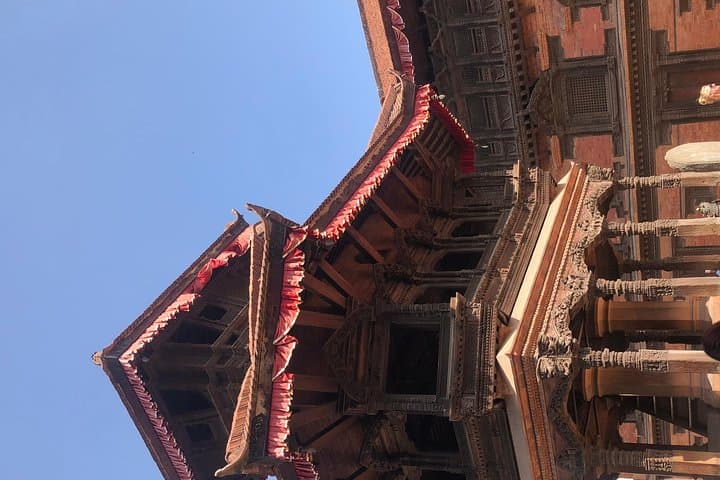
Geology here is readable: the high ridge of Nagarkot is part of the southern edge of the High Himalaya foothills, carved by uplift and erosion into steep terraces and sweeping valley views. Culturally, the trail passes small Newar and Tamang settlements—stone walls, prayer flags, and terraced fields that speak to generations of hill farming and local pilgrimage. Nearby Bhaktapur offers a compact medieval core if you want to add heritage to the day.
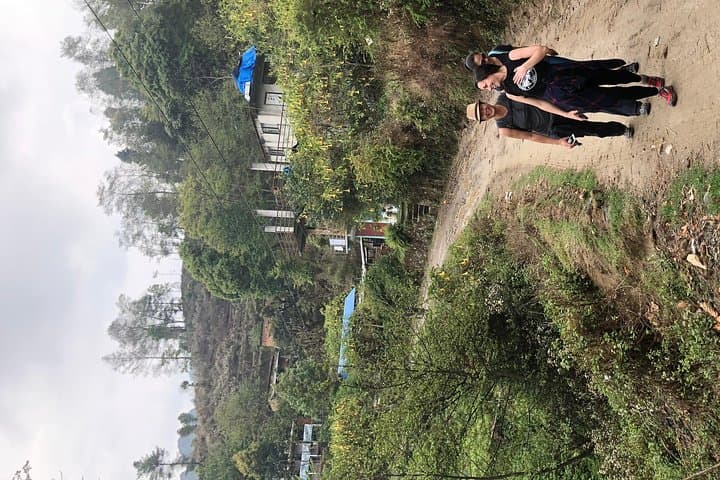
The organized option from Kathmandu typically includes a predawn pickup, private transport to the ridge, and a guided day loop that combines viewpoint stops with 6–12 km of walking on mixed dirt tracks and paved village lanes. Expect gentle climbs between viewpoints with sections of loose gravel; total elevation around Nagarkot sits near 2,175 m, so altitude is noticeable but not technical.
Practical edge: go early for sunrise, wear layers for rapid temperature shifts, carry at least 1–2 liters of water, and bring sun protection—light can be intense after dawn. A private guide and hotel transfers simplify navigation and timing, letting you focus on the light, the mountains, and the quiet villages you pass on the walk back toward the Kathmandu Valley.
moderate.
6–10 hours.
Suitable for walkers in good general health; requires stamina for a full day with intermittent climbs and uneven terrain.
The guided loop and viewpoint stops typically mean 6–12 km of walking over 6–10 hours; terrain is non-technical but involves steady walking and short climbs.
Nagarkot sits around 2,175 m—most travelers tolerate it well, but take it easy if you’re sensitive to altitude and stay hydrated.
You can hike independently, but the private tour includes logistics, timing for sunrise and local insights that improve the experience and safety.
Bring a tripod or steady surface, an extra battery (cold drains power), a wide-angle lens for panoramas and a zoom for distant peaks.
Nagarkot has long been a lookout on the edge of the Kathmandu Valley; its ridge was historically used for surveillance and later developed as a hill station and viewpoint during the 20th century.
Trail use can stress fragile terraced slopes and forests—stick to established paths, avoid single-use plastics, and support local guides and homestays.
Himalayan Recreation Treks & Expedition Pvt.Ltd operates guided outdoor trips and adventures with an emphasis on safety, stewardship, and memorable experiences.
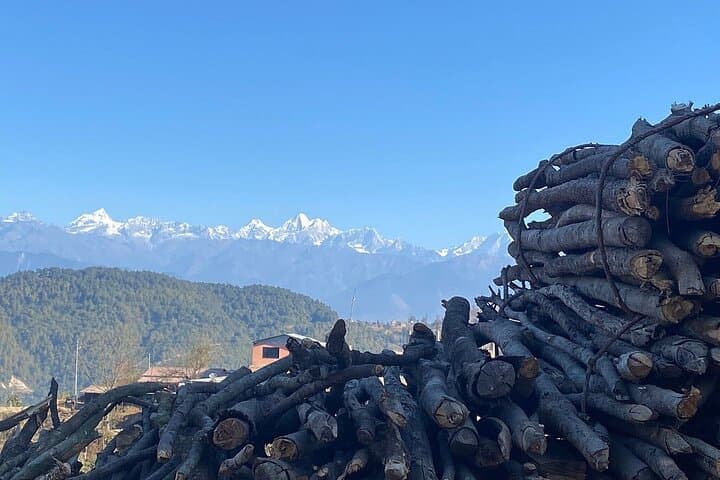
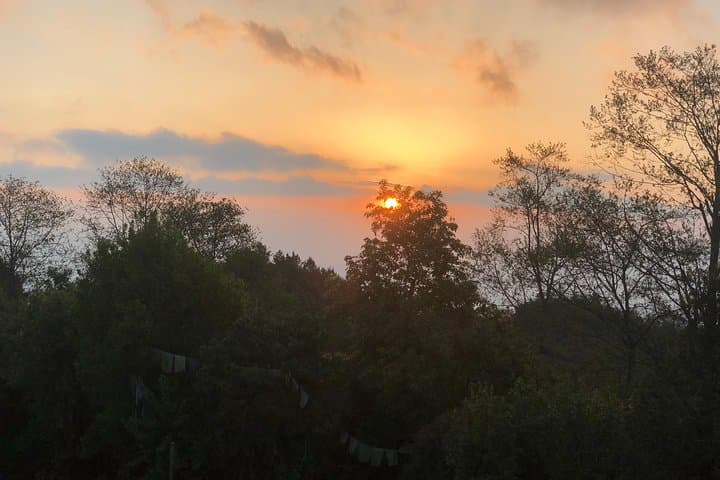
Before the sun clears Kathmandu’s bowl you’ll be on the ridge at Nagarkot, where cold air sharpens the silhouette of distant peaks. The first light lifts Annapurna, Langtang and — on exceptionally clear mornings — Everest itself; the mountains seem to rearrange the sky as you watch.
Before the sun clears Kathmandu’s bowl you’ll be on the ridge at Nagarkot, where cold air sharpens the silhouette of distant peaks. The first light lifts Annapurna, Langtang and — on exceptionally clear mornings — Everest itself; the mountains seem to rearrange the sky as you watch.
Geology here is readable: the high ridge of Nagarkot is part of the southern edge of the High Himalaya foothills, carved by uplift and erosion into steep terraces and sweeping valley views. Culturally, the trail passes small Newar and Tamang settlements—stone walls, prayer flags, and terraced fields that speak to generations of hill farming and local pilgrimage. Nearby Bhaktapur offers a compact medieval core if you want to add heritage to the day.
The organized option from Kathmandu typically includes a predawn pickup, private transport to the ridge, and a guided day loop that combines viewpoint stops with 6–12 km of walking on mixed dirt tracks and paved village lanes. Expect gentle climbs between viewpoints with sections of loose gravel; total elevation around Nagarkot sits near 2,175 m, so altitude is noticeable but not technical.
Practical edge: go early for sunrise, wear layers for rapid temperature shifts, carry at least 1–2 liters of water, and bring sun protection—light can be intense after dawn. A private guide and hotel transfers simplify navigation and timing, letting you focus on the light, the mountains, and the quiet villages you pass on the walk back toward the Kathmandu Valley.