THE ADVENTURE COLLECTIVE® · Independent discovery and booking for outdoor travel

Witness a Himalayan sunrise from Nagarkot and spend a full day walking the ridge above Kathmandu, with guided stops for tea, cultural sites and wide mountain views. This private, full-day outing pairs accessible trails with the chance of seeing Everest on a clear morning.
Witness a Himalayan sunrise from Nagarkot and spend a full day walking the ridge above Kathmandu, with guided stops for tea, cultural sites and wide mountain views. This private, full-day outing pairs accessible trails with the chance of seeing Everest on a clear morning.
You climb out of a sleeping Kathmandu before dawn, the city lights shrinking behind you as a private vehicle snakes up the ridge road toward Nagarkot. At the viewpoint, the sky lightens and the Himalayan skyline pries itself free—sharp crowns of snow, Everest a distant, demanding peak when visibility allows. The guide pours tea; the mountains push the horizon forward like a slow, deliberate tide.
Verified experiences and guided adventures in the surrounding area.
Operated by Himalayan Recreation Treks & Expedition Pvt.Ltd · Nagarkot, Bagmati Province
You climb out of a sleeping Kathmandu before dawn, the city lights shrinking behind you as a private vehicle snakes up the ridge road toward Nagarkot. At the viewpoint, the sky lightens and the Himalayan skyline pries itself free—sharp crowns of snow, Everest a distant, demanding peak when visibility allows. The guide pours tea; the mountains push the horizon forward like a slow, deliberate tide.
Nagarkot sits on the eastern rim of the Kathmandu Valley; historically it was one of several hilltop watch stations used by medieval rulers to monitor the plain below. The ridge is underlain by folded sedimentary rock and lesser gneiss, carved into terraced farms and pine-scrub ridgelines. Local Tamang and Newar communities maintain small hamlets and tea houses along the trail, and cultural markers—prayer flags, small shrines—dot the path.
Expect a day of varied walking: paved village lanes, compact dirt tracks and some short steeper pitches across 10–12 km depending on route. The air at sunrise is thin and brisk; the light expands views but visibility depends on winter clarity or monsoon haze. Wildlife here is mostly birdlife and small mammals; monkeys sometimes investigate a lonely snack.
Practical guidance: start before dawn with warm layers, carry 1–2 liters of water, and bring binoculars for distant peaks. Plan for a locally purchased lunch (about $10 USD) and tipping the guide for a private tour. Comfortable, broken-in hiking shoes and a lightweight rain shell will cover most conditions. If you want Everest on a clear day, aim for October–March and ask your guide about alternative viewpoints if haze appears.
easy.
8 hours.
Suitable for most fitness levels; expect steady walking for several hours with short steep sections.
The full-day program runs about 8 hours door-to-door with 10–12 km of walking on mostly gentle grades and some short steeper pitches; it's rated easy and open to most fitness levels.
Visibility depends on weather and seasonal haze; clear views are most common October–March, but even then Everest may be obscured if conditions change.
Lunch is not included; guides typically stop at a local restaurant where you can purchase a meal for about $10 USD.
A valid passport is required for booking; there are no special trekking permits for this day trip from Kathmandu.
Nagarkot served as a strategic watchpoint on the eastern rim of the Kathmandu Valley; small hamlets here retain Newar and Tamang cultural influences.
The ridge sees steady tourist traffic; stick to established trails, respect prayer sites and support local tea houses to keep visitor impact localized.
Himalayan Recreation Treks & Expedition Pvt.Ltd operates guided outdoor trips and adventures with an emphasis on safety, stewardship, and memorable experiences.
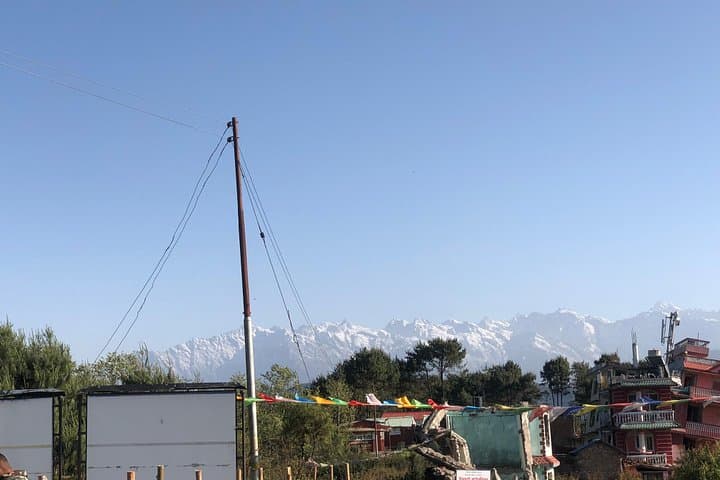
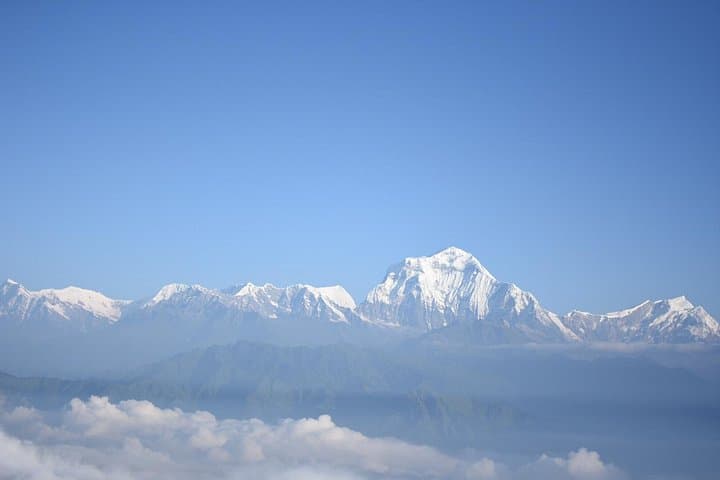
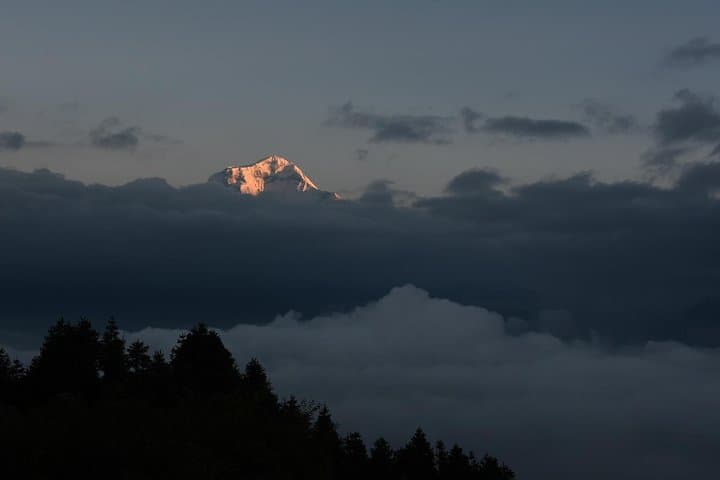
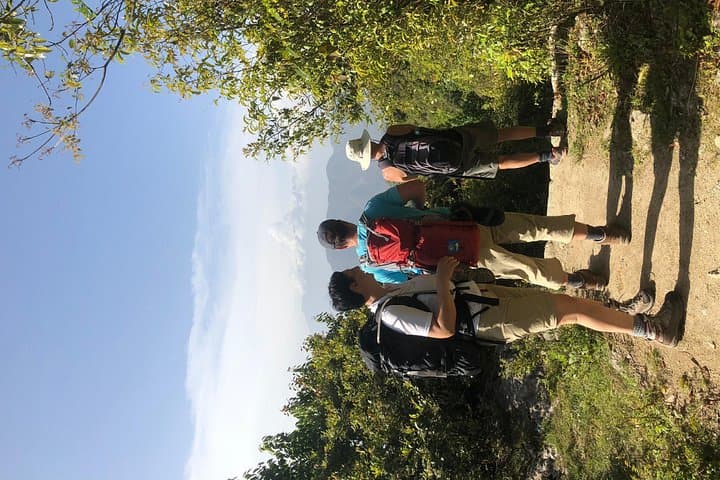
You climb out of a sleeping Kathmandu before dawn, the city lights shrinking behind you as a private vehicle snakes up the ridge road toward Nagarkot. At the viewpoint, the sky lightens and the Himalayan skyline pries itself free—sharp crowns of snow, Everest a distant, demanding peak when visibility allows. The guide pours tea; the mountains push the horizon forward like a slow, deliberate tide.
You climb out of a sleeping Kathmandu before dawn, the city lights shrinking behind you as a private vehicle snakes up the ridge road toward Nagarkot. At the viewpoint, the sky lightens and the Himalayan skyline pries itself free—sharp crowns of snow, Everest a distant, demanding peak when visibility allows. The guide pours tea; the mountains push the horizon forward like a slow, deliberate tide.
Nagarkot sits on the eastern rim of the Kathmandu Valley; historically it was one of several hilltop watch stations used by medieval rulers to monitor the plain below. The ridge is underlain by folded sedimentary rock and lesser gneiss, carved into terraced farms and pine-scrub ridgelines. Local Tamang and Newar communities maintain small hamlets and tea houses along the trail, and cultural markers—prayer flags, small shrines—dot the path.
Expect a day of varied walking: paved village lanes, compact dirt tracks and some short steeper pitches across 10–12 km depending on route. The air at sunrise is thin and brisk; the light expands views but visibility depends on winter clarity or monsoon haze. Wildlife here is mostly birdlife and small mammals; monkeys sometimes investigate a lonely snack.
Practical guidance: start before dawn with warm layers, carry 1–2 liters of water, and bring binoculars for distant peaks. Plan for a locally purchased lunch (about $10 USD) and tipping the guide for a private tour. Comfortable, broken-in hiking shoes and a lightweight rain shell will cover most conditions. If you want Everest on a clear day, aim for October–March and ask your guide about alternative viewpoints if haze appears.