THE ADVENTURE COLLECTIVE® · Independent discovery and booking for outdoor travel

Witness a Himalayan sunrise from Nagarkot View Tower, then walk a scenic 7–8 km day hike through terraced fields and villages to Telkot. This private, early-morning tour pairs panoramic mountain views with a culturally rich trail.
Witness a Himalayan sunrise from Nagarkot View Tower, then walk a scenic 7–8 km day hike through terraced fields and villages to Telkot. This private, early-morning tour pairs panoramic mountain views with a culturally rich trail.
You leave Kathmandu in the dark, the vehicle threading quiet roads while the eastern horizon lightens. By the time you step onto the Nagarkot View Tower platform the air is crisp at roughly 2,175 m and the first ridgelines of the Himalayas are pruning themselves out of night. The sun edges over peaks and the valley below loosens its shadows — a slow, exacting reveal.
Verified experiences and guided adventures in the surrounding area.
Operated by Treklanders Adventures · Nagarkot, Bagmati Province
You leave Kathmandu in the dark, the vehicle threading quiet roads while the eastern horizon lightens. By the time you step onto the Nagarkot View Tower platform the air is crisp at roughly 2,175 m and the first ridgelines of the Himalayas are pruning themselves out of night. The sun edges over peaks and the valley below loosens its shadows — a slow, exacting reveal.
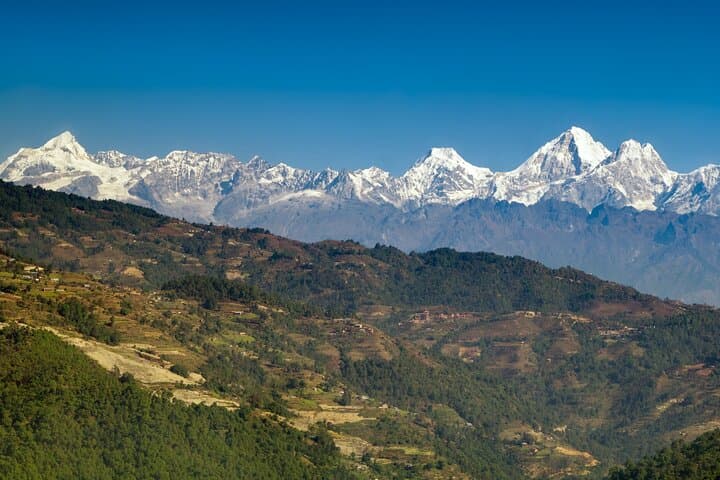
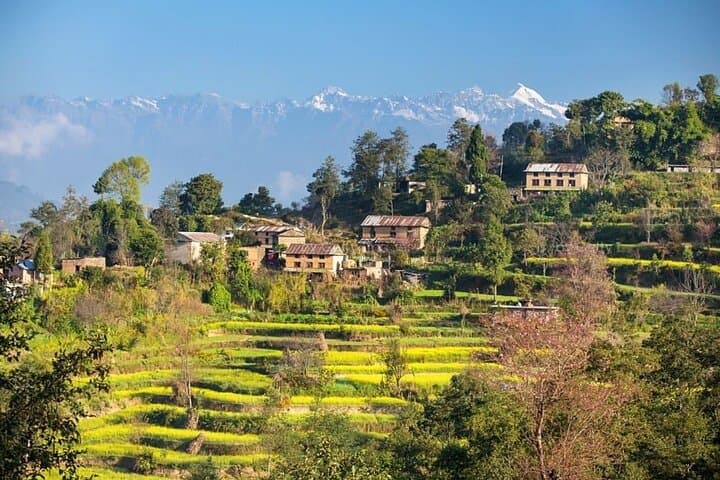
Nagarkot sits on the rim of the Kathmandu Valley; historically it has been a lookout for communities in the region and later grew into a simple hill-station catering to travelers seeking mountain panoramas. Geologically the ridge is composed of older metamorphic rocks uplifted by Himalayan tectonics; terraced fields and mixed oak and pine forests cling to its slopes. Culturally, the trail to Telkot threads through small Tamang and Newar villages where traditional brick houses, mani walls and prayer flags mark the route.
Expect a day that mixes a scenic drive (1.5–2 hours from central Kathmandu), a sunrise stop at Nagarkot Tower, then a 7–8 km day hike to Telkot (3–4 hours on foot). Terrain alternates packed dirt tracks, stone steps and short steep pitches; total elevation change is modest — roughly 200–350 m of ups and downs. Practical essentials: start early, dress in warm layers for pre-dawn wind, bring sturdy footwear for uneven stonework, and carry 1–2 liters of water and snacks. Weather can clear or cloud over quickly; the best light is often within an hour of sunrise. If you want cultural texture, pause at village tea houses for fresh chiya before the drive back to Kathmandu.
moderate.
6–8 hours.
Suitable for people in decent walking shape; able to handle sustained walking over uneven terrain and short steep sections.
The hiking section is typically 7–8 km and takes about 3–4 hours depending on pace and stops.
On very clear days you can see high Himalayan peaks including parts of the Everest range, but visibility depends on weather and season.
Yes—this itinerary is rated easy to moderate and is suitable for a wide range of fitness levels, though people should be comfortable walking on uneven ground for a few hours.
With a typical 4:00 AM pickup and an 8-hour itinerary, expect to be back in central Kathmandu mid- to late-afternoon, around 3:00–5:00 PM depending on traffic.
Nagarkot has long been valued as a strategic lookout on the rim of the Kathmandu Valley and evolved into a modest hill station frequented by travelers seeking mountain views.
Stick to established trails, pack out plastic waste, and favor local tea houses and homestays to help distribute tourism income sustainably.
Treklanders Adventures operates guided outdoor trips and adventures with an emphasis on safety, stewardship, and memorable experiences.
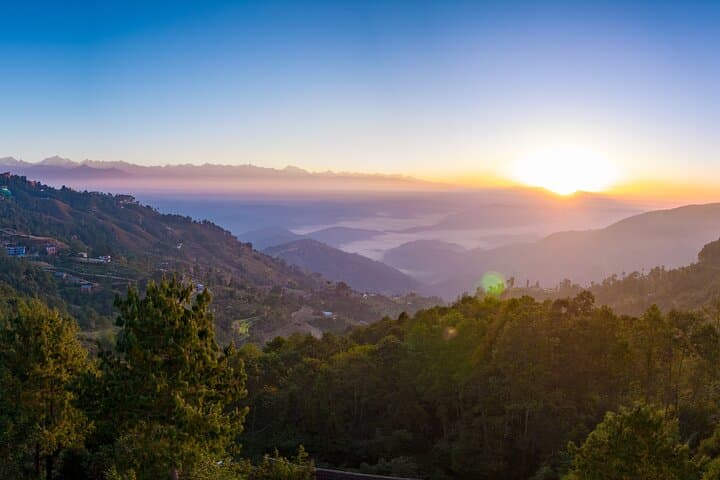
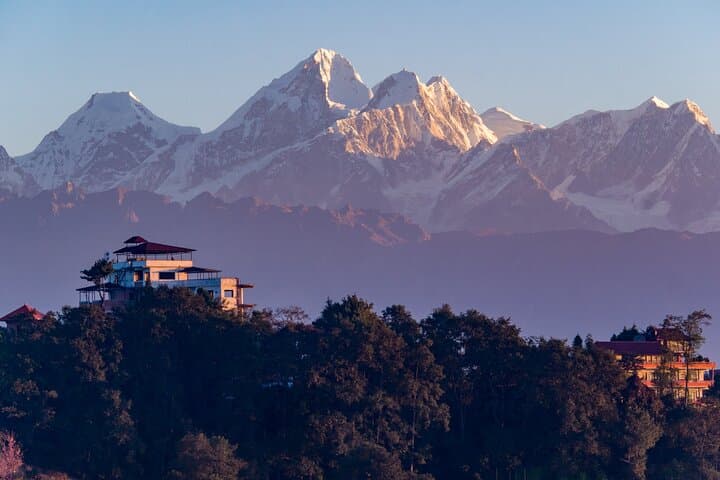
You leave Kathmandu in the dark, the vehicle threading quiet roads while the eastern horizon lightens. By the time you step onto the Nagarkot View Tower platform the air is crisp at roughly 2,175 m and the first ridgelines of the Himalayas are pruning themselves out of night. The sun edges over peaks and the valley below loosens its shadows — a slow, exacting reveal.
You leave Kathmandu in the dark, the vehicle threading quiet roads while the eastern horizon lightens. By the time you step onto the Nagarkot View Tower platform the air is crisp at roughly 2,175 m and the first ridgelines of the Himalayas are pruning themselves out of night. The sun edges over peaks and the valley below loosens its shadows — a slow, exacting reveal.
Nagarkot sits on the rim of the Kathmandu Valley; historically it has been a lookout for communities in the region and later grew into a simple hill-station catering to travelers seeking mountain panoramas. Geologically the ridge is composed of older metamorphic rocks uplifted by Himalayan tectonics; terraced fields and mixed oak and pine forests cling to its slopes. Culturally, the trail to Telkot threads through small Tamang and Newar villages where traditional brick houses, mani walls and prayer flags mark the route.
Expect a day that mixes a scenic drive (1.5–2 hours from central Kathmandu), a sunrise stop at Nagarkot Tower, then a 7–8 km day hike to Telkot (3–4 hours on foot). Terrain alternates packed dirt tracks, stone steps and short steep pitches; total elevation change is modest — roughly 200–350 m of ups and downs. Practical essentials: start early, dress in warm layers for pre-dawn wind, bring sturdy footwear for uneven stonework, and carry 1–2 liters of water and snacks. Weather can clear or cloud over quickly; the best light is often within an hour of sunrise. If you want cultural texture, pause at village tea houses for fresh chiya before the drive back to Kathmandu.