THE ADVENTURE COLLECTIVE® · Independent discovery and booking for outdoor travel

Drive from Kathmandu to Nagarkot for a timed sunrise that can light the Himalayas—sometimes Everest—silver and gold. This short, early-morning tour blends easy walking, panoramic viewpoints, and local context for a compact mountain experience.
Drive from Kathmandu to Nagarkot for a timed sunrise that can light the Himalayas—sometimes Everest—silver and gold. This short, early-morning tour blends easy walking, panoramic viewpoints, and local context for a compact mountain experience.
Before dawn the car breaks free from Kathmandu’s dim streets and eases up the winding road toward Nagarkot, the hill station that stares east into the spine of the Himalaya.
Verified experiences and guided adventures in the surrounding area.
Operated by Crystal Holidays Nepal · Nagarkot, Bagmati Province
Before dawn the car breaks free from Kathmandu’s dim streets and eases up the winding road toward Nagarkot, the hill station that stares east into the spine of the Himalaya.
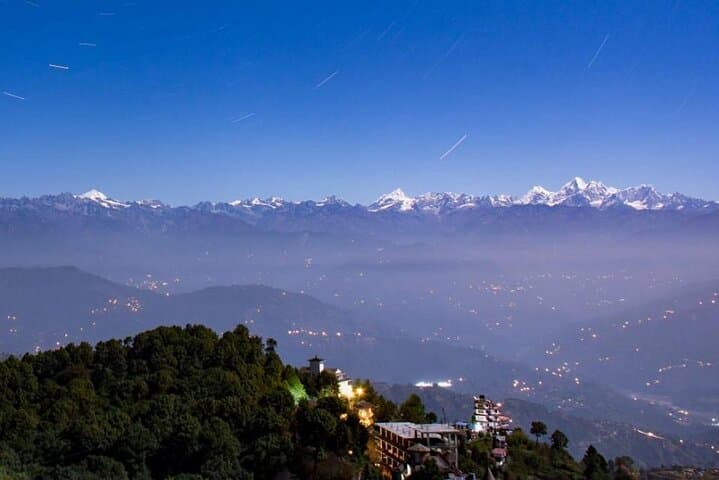
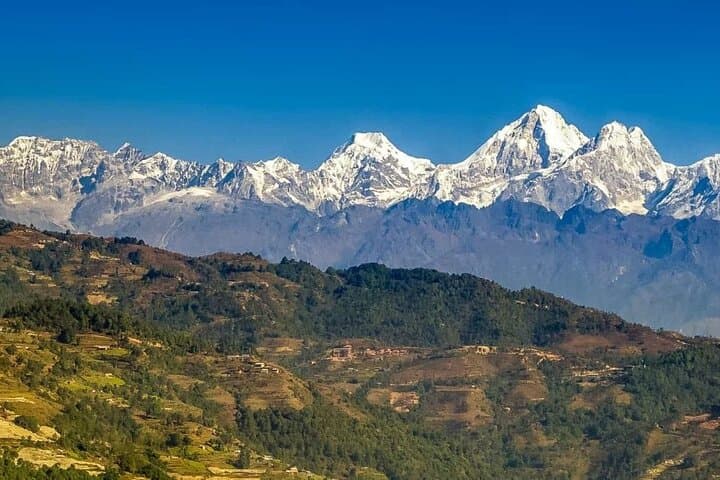
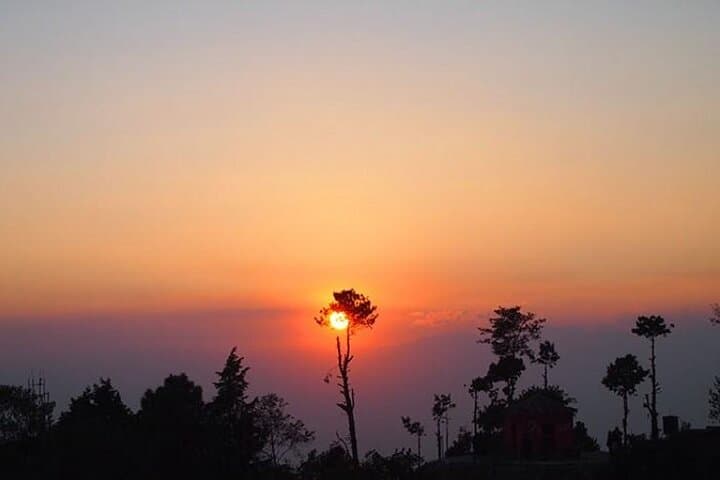
You arrive while the world is still blue and cold; terraces and pine copses silhouette the valley as guides point to a serrated horizon. On exceptionally clear mornings the first light brushes Annapurna and, with rare luck and perfect clarity, Mount Everest itself. The Nagarkot View Tower and nearby ridgelines give uninterrupted panoramas that change from ink to gold in a matter of minutes.
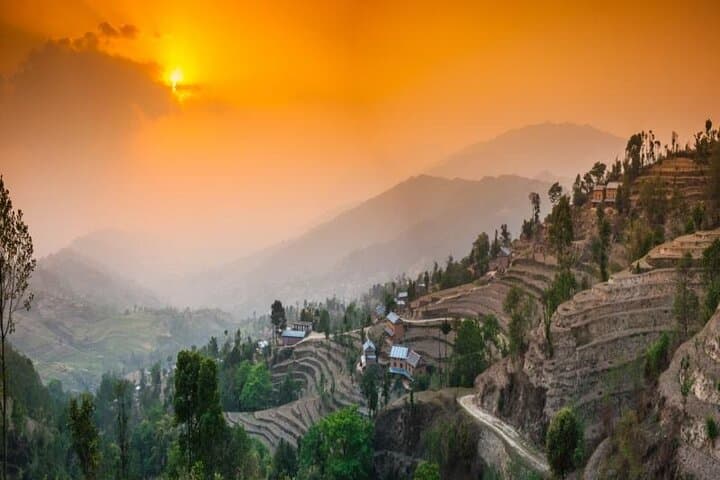
Nagarkot sits on a ridge formed by Himalayan uplift and centuries of terraced agriculture; the area’s layered hills reflect both geological pressure and long-standing Newar and Tamang cultural presence. Bhaktapur, often paired with morning runs to and from Nagarkot, offers medieval courtyards and wood-carved temples for a post-sunrise cultural stop.
Practically, this is an easy, low-impact outing designed for early risers: minimal walking, a short stroll to viewpoints, and a comfortable return to Kathmandu. Dress in warm layers, bring a headlamp for the pre-dawn walk, and keep a charged camera—visibility can change quickly. Expect narrow mountain roads and a 60–75 minute drive each way depending on traffic.
Timing is everything: plan for clear-sky windows in late autumn and winter for the sharpest views, and accept that monsoon months often hide the peaks. Respect local customs at viewpoints and carry out waste; the experience is as much about being present as it is about the photograph.
easy.
4–5 hours.
Suitable for most fitness levels; involves short, gentle walking around viewpoints.
Yes on exceptionally clear days—visibility depends on season and air quality; autumn and winter offer the best chances.
Yes; the tour is low-intensity with short walks, but early start times and cold conditions may be uncomfortable for very young children or those with heart conditions.
Private car pickup is arranged from your Kathmandu hotel before dawn and returns you after the tour; confirm exact pickup time during booking.
Cloud cover can obscure the peaks; the tour policy allows cancellation within stated windows, but many operators still drive to Nagarkot for the village visit and views even in partial cloud.
Nagarkot developed as a defensive ridge and lookout historically and later became a hill retreat under Rana and British-influenced era tourism; nearby Bhaktapur preserves medieval Newar architecture.
Increased visitor traffic stresses local waste systems; bring reusable water bottles and pack out trash to minimize impact.
Crystal Holidays Nepal operates guided outdoor trips and adventures with an emphasis on safety, stewardship, and memorable experiences.
Before dawn the car breaks free from Kathmandu’s dim streets and eases up the winding road toward Nagarkot, the hill station that stares east into the spine of the Himalaya.
Before dawn the car breaks free from Kathmandu’s dim streets and eases up the winding road toward Nagarkot, the hill station that stares east into the spine of the Himalaya.
You arrive while the world is still blue and cold; terraces and pine copses silhouette the valley as guides point to a serrated horizon. On exceptionally clear mornings the first light brushes Annapurna and, with rare luck and perfect clarity, Mount Everest itself. The Nagarkot View Tower and nearby ridgelines give uninterrupted panoramas that change from ink to gold in a matter of minutes.
Nagarkot sits on a ridge formed by Himalayan uplift and centuries of terraced agriculture; the area’s layered hills reflect both geological pressure and long-standing Newar and Tamang cultural presence. Bhaktapur, often paired with morning runs to and from Nagarkot, offers medieval courtyards and wood-carved temples for a post-sunrise cultural stop.
Practically, this is an easy, low-impact outing designed for early risers: minimal walking, a short stroll to viewpoints, and a comfortable return to Kathmandu. Dress in warm layers, bring a headlamp for the pre-dawn walk, and keep a charged camera—visibility can change quickly. Expect narrow mountain roads and a 60–75 minute drive each way depending on traffic.
Timing is everything: plan for clear-sky windows in late autumn and winter for the sharpest views, and accept that monsoon months often hide the peaks. Respect local customs at viewpoints and carry out waste; the experience is as much about being present as it is about the photograph.