THE ADVENTURE COLLECTIVE® · Independent discovery and booking for outdoor travel

Walk from Bhaktapur’s ancient streets into pine forests and Tamang villages to reach Nagarkot’s panoramic view tower. Time it for sunrise to watch the high Himalaya ignite, or take a daytime stroll for clear valley vistas and cultural encounters.
Walk from Bhaktapur’s ancient streets into pine forests and Tamang villages to reach Nagarkot’s panoramic view tower. Time it for sunrise to watch the high Himalaya ignite, or take a daytime stroll for clear valley vistas and cultural encounters.
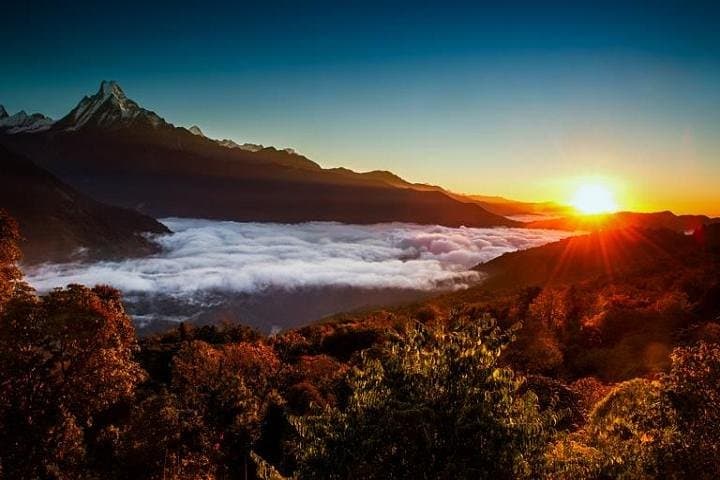
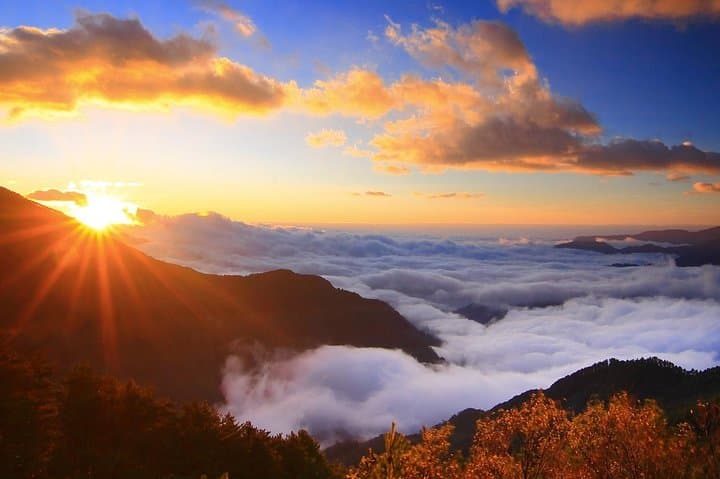
Thin morning air sharpens each footfall as you climb from the brick streets of Bhaktapur into pine-scented slopes, the Kathmandu Valley unwinding below like a lived-in map. By the time you reach Nagarkot’s 2,100m view tower, the first light paints the distant Himalaya—Ganesh, Langtang, and the faint ridge of Everest—edges of snow turning from grey to copper.
Verified experiences and guided adventures in the surrounding area.
Operated by icicles adventure treks and tours · Nagarkot, Bagmati Province
Thin morning air sharpens each footfall as you climb from the brick streets of Bhaktapur into pine-scented slopes, the Kathmandu Valley unwinding below like a lived-in map. By the time you reach Nagarkot’s 2,100m view tower, the first light paints the distant Himalaya—Ganesh, Langtang, and the faint ridge of Everest—edges of snow turning from grey to copper.
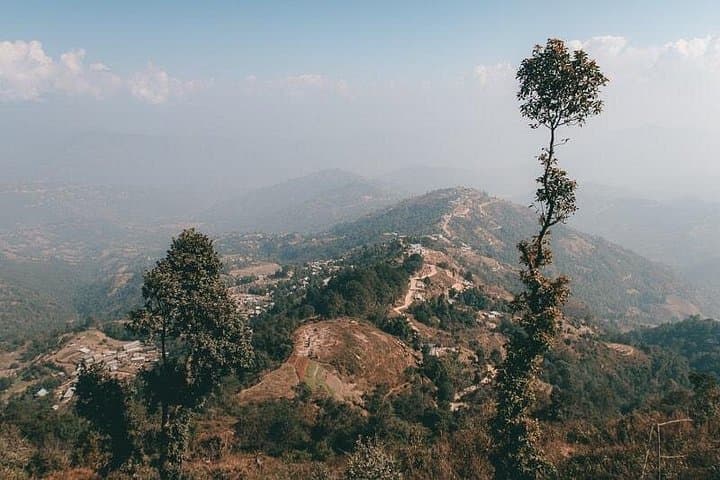
This route threads cultural history with highland ecology. Bhaktapur’s medieval courtyards and the ancient Changu Narayan temple (one of the valley’s oldest Hindu shrines) bookend a walk that moves through Tamang villages and patches of Shivapuri forest. Geologically, Nagarkot sits on the Himalayan foothills—folded, uplifted terrain of silty soils and ancient river deposits that produce sweeping valley views and steep, terraced farmland.
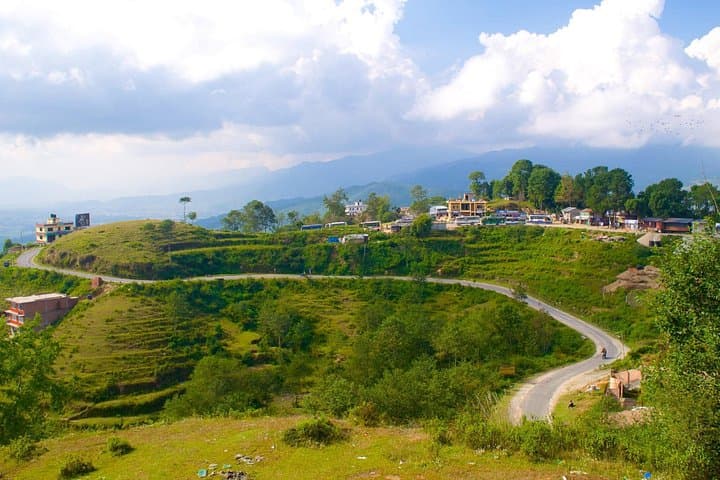
Local life is on display: farmers carrying vegetables, hand-built stone walls, and small tea-houses where mountain tea and simple dal bhat revive hikers. Birdsong—partridges, bulbuls, and occasional pheasant calls—fills the understory. Conservation here focuses on trail maintenance and limiting plastic in sensitive catchments.
Practical guidance: plan a 6–7 hour day, expect 600–800m of ascent depending on start point, and wear grippy shoes for intermittent muddy sections. Start before sunrise if you want the light-show on the peaks; otherwise late morning offers clearer valley visibility. Bring cash for village tea-houses, an extra layer for the ridge wind, and follow local etiquette—ask before photographing people and avoid entering temple inner sanctums unless invited. The walk is approachable for most active visitors but respect altitude and take it steady on the climbs.
moderate.
6–7 hours.
Reasonable cardiovascular fitness for steady uphill walking and several hours on uneven trails; suitable for most active travelers.
Most itineraries cover around 8–10 kilometers depending on start and finish points and take about 6–7 hours including stops.
A guide adds cultural context and navigation; no special permits are required for the Nagarkot day walk, though parts pass near Shivapuri National Park where standard entrance rules may apply.
The path is suitable for many ages if paced conservatively—expect steady uphill stretches; those with mobility or serious health issues should avoid it.
Expect common forest birds, pheasants, and occasional rhesus macaques; large mammals are uncommon near the populated sections.
Bhaktapur and Changu Narayan preserve Newar art and architecture dating back to the 12th century; their temples reflect medieval valley culture.
Trails cross sensitive catchments and Shivapuri fringe—minimize plastic, stay on designated paths, and support village services to keep rural economies resilient.
icicles adventure treks and tours operates guided outdoor trips and adventures with an emphasis on safety, stewardship, and memorable experiences.
Thin morning air sharpens each footfall as you climb from the brick streets of Bhaktapur into pine-scented slopes, the Kathmandu Valley unwinding below like a lived-in map. By the time you reach Nagarkot’s 2,100m view tower, the first light paints the distant Himalaya—Ganesh, Langtang, and the faint ridge of Everest—edges of snow turning from grey to copper.
Thin morning air sharpens each footfall as you climb from the brick streets of Bhaktapur into pine-scented slopes, the Kathmandu Valley unwinding below like a lived-in map. By the time you reach Nagarkot’s 2,100m view tower, the first light paints the distant Himalaya—Ganesh, Langtang, and the faint ridge of Everest—edges of snow turning from grey to copper.
This route threads cultural history with highland ecology. Bhaktapur’s medieval courtyards and the ancient Changu Narayan temple (one of the valley’s oldest Hindu shrines) bookend a walk that moves through Tamang villages and patches of Shivapuri forest. Geologically, Nagarkot sits on the Himalayan foothills—folded, uplifted terrain of silty soils and ancient river deposits that produce sweeping valley views and steep, terraced farmland.
Local life is on display: farmers carrying vegetables, hand-built stone walls, and small tea-houses where mountain tea and simple dal bhat revive hikers. Birdsong—partridges, bulbuls, and occasional pheasant calls—fills the understory. Conservation here focuses on trail maintenance and limiting plastic in sensitive catchments.
Practical guidance: plan a 6–7 hour day, expect 600–800m of ascent depending on start point, and wear grippy shoes for intermittent muddy sections. Start before sunrise if you want the light-show on the peaks; otherwise late morning offers clearer valley visibility. Bring cash for village tea-houses, an extra layer for the ridge wind, and follow local etiquette—ask before photographing people and avoid entering temple inner sanctums unless invited. The walk is approachable for most active visitors but respect altitude and take it steady on the climbs.