THE ADVENTURE COLLECTIVE® · Independent discovery and booking for outdoor travel

A compact day that pairs a three-hour ridge hike to Nagarkot’s 2,099 m outlook with a cultural visit to Bhaktapur Durbar Square. Clear mornings reveal Himalayan panoramas; the rest of the day showcases Newar architecture and village life.
A compact day that pairs a three-hour ridge hike to Nagarkot’s 2,099 m outlook with a cultural visit to Bhaktapur Durbar Square. Clear mornings reveal Himalayan panoramas; the rest of the day showcases Newar architecture and village life.
The morning air off the Kathmandu Valley bites with clarity as you climb out of the car at Telkot and set off up the ridge toward Nagarkot. Pine-scented trails rise in steady switchbacks, terrace farms drop away to your left, and clouds play with the distant summits—sometimes revealing the serrated line of the Annapurnas and Everest beyond, sometimes hiding them as if daring you to return.
Verified experiences and guided adventures in the surrounding area.
Operated by The Xutti Pvt Ltd · Nagarkot, Bagmati Province
The morning air off the Kathmandu Valley bites with clarity as you climb out of the car at Telkot and set off up the ridge toward Nagarkot. Pine-scented trails rise in steady switchbacks, terrace farms drop away to your left, and clouds play with the distant summits—sometimes revealing the serrated line of the Annapurnas and Everest beyond, sometimes hiding them as if daring you to return.
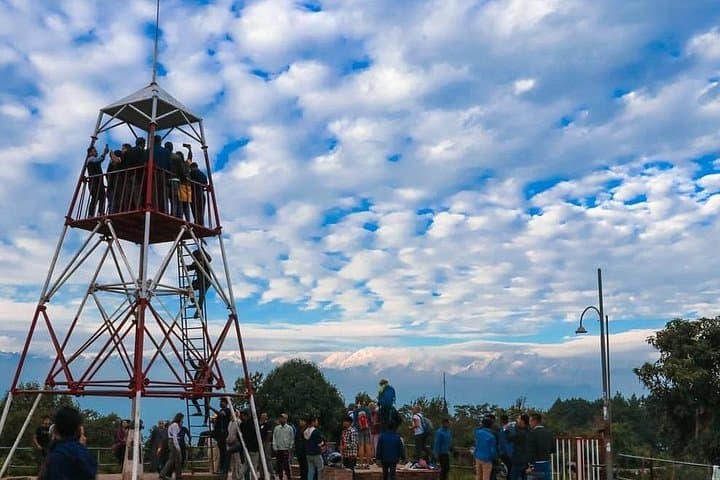
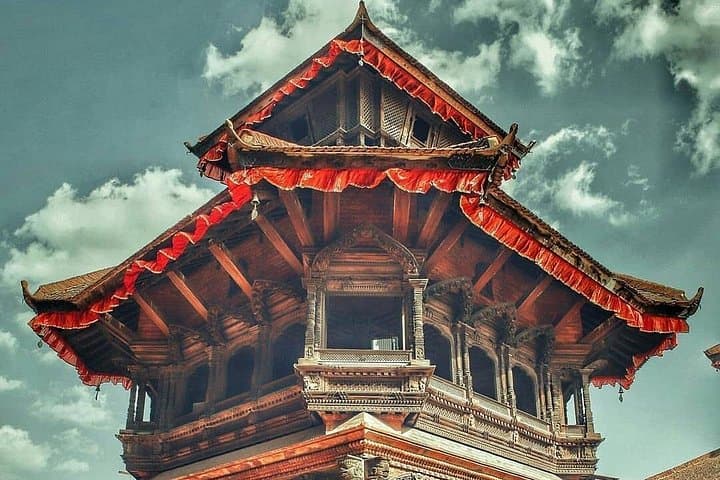
Nagarkot sits at about 2,099 m on the valley rim, a vantage the Newar people historically used as a lookout. The geology changes quickly: weathered sandstone and colluvial soils give way to fir and rhododendron pockets. The afternoon’s descent to Bhaktapur moves from rural footpath to medieval streets where carved wooden windows, brick courtyards and the Golden Gate evoke the city’s role on the old Tibet trade route.
This is a day built around simple contrasts — a three-hour uphill hike (Telkot to Nagarkot Bazar), valley panoramas, and a two-hour cultural visit to Bhaktapur Durbar Square. Mountain visibility depends on season and weather; early starts favor clearer air. Expect unpaved sections, loose stones, and a steady but manageable climb; the guide handles navigation and local context.
Practical notes: wear broken-in hiking shoes, pack layers, bring a refillable water bottle, and allow time for photography and short rests at viewpoints. If you prefer not to hike, the itinerary is customizable with more driving and shorter walks. Entrance fees to heritage sites are paid locally; cash in small denominations is handy.
moderate.
4–7 hours.
Suitable for travelers with a moderate fitness level who can handle steady uphill walking and some uneven terrain.
The scheduled hike from Telkot to Nagarkot Bazar takes about three hours round one-way walking time depending on pace and rests.
No — entrance fees are paid locally; bring Nepalese rupees for the Durbar Square ticket and any museums.
Very—mountain visibility can change rapidly; clear winter mornings offer the best panoramic views while monsoon months often limit visibility.
Yes—the tour is private and can be customized to substitute more driving and viewpoints for the uphill walk.
Nagarkot has long been a lookout on the Kathmandu rim; Bhaktapur Durbar Square preserves Newar medieval architecture from the valley’s time as a regional trade hub.
Trails around Nagarkot are susceptible to erosion; stick to marked paths, avoid littering, and support local guides who follow low-impact practices.
The Xutti Pvt Ltd operates guided outdoor trips and adventures with an emphasis on safety, stewardship, and memorable experiences.
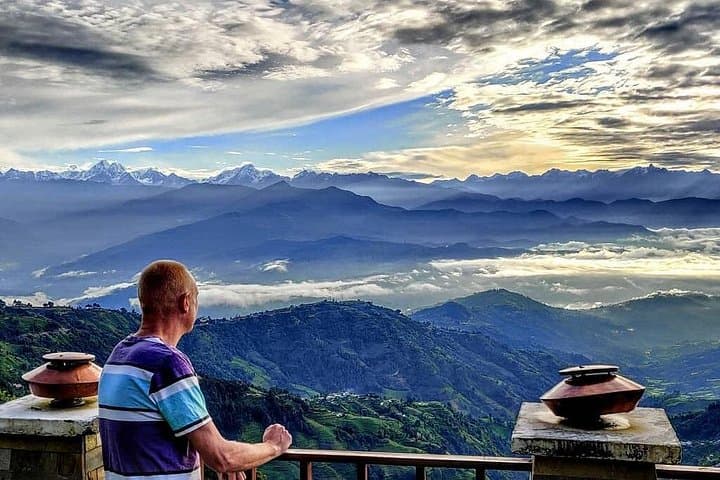
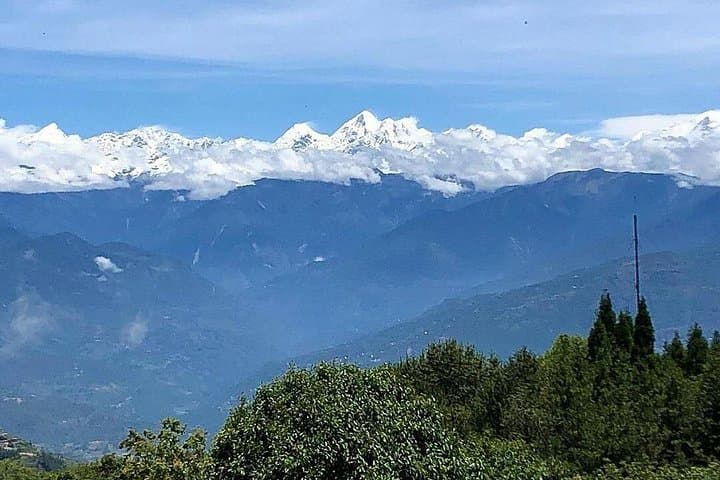
The morning air off the Kathmandu Valley bites with clarity as you climb out of the car at Telkot and set off up the ridge toward Nagarkot. Pine-scented trails rise in steady switchbacks, terrace farms drop away to your left, and clouds play with the distant summits—sometimes revealing the serrated line of the Annapurnas and Everest beyond, sometimes hiding them as if daring you to return.
The morning air off the Kathmandu Valley bites with clarity as you climb out of the car at Telkot and set off up the ridge toward Nagarkot. Pine-scented trails rise in steady switchbacks, terrace farms drop away to your left, and clouds play with the distant summits—sometimes revealing the serrated line of the Annapurnas and Everest beyond, sometimes hiding them as if daring you to return.
Nagarkot sits at about 2,099 m on the valley rim, a vantage the Newar people historically used as a lookout. The geology changes quickly: weathered sandstone and colluvial soils give way to fir and rhododendron pockets. The afternoon’s descent to Bhaktapur moves from rural footpath to medieval streets where carved wooden windows, brick courtyards and the Golden Gate evoke the city’s role on the old Tibet trade route.
This is a day built around simple contrasts — a three-hour uphill hike (Telkot to Nagarkot Bazar), valley panoramas, and a two-hour cultural visit to Bhaktapur Durbar Square. Mountain visibility depends on season and weather; early starts favor clearer air. Expect unpaved sections, loose stones, and a steady but manageable climb; the guide handles navigation and local context.
Practical notes: wear broken-in hiking shoes, pack layers, bring a refillable water bottle, and allow time for photography and short rests at viewpoints. If you prefer not to hike, the itinerary is customizable with more driving and shorter walks. Entrance fees to heritage sites are paid locally; cash in small denominations is handy.