THE ADVENTURE COLLECTIVE® · Independent discovery and booking for outdoor travel

A full-day guided hike from Kathmandu into Shivapuri-Nagarjun National Park that climbs through rhododendron and pine to Nagi Gompa and the 2,128 m Nagarjun summit. Expect forested trails, monastery breaks, and expansive Himalayan views.
A full-day guided hike from Kathmandu into Shivapuri-Nagarjun National Park that climbs through rhododendron and pine to Nagi Gompa and the 2,128 m Nagarjun summit. Expect forested trails, monastery breaks, and expansive Himalayan views.
You step out of the car at the Shivapuri-Nagarjun park gate and the city’s noise loosens its grip — the pines inhale the dust and the trail pulls you uphill.
Verified experiences and guided adventures in the surrounding area.
Operated by Couch Adventure Nepal (CAN) · Kathmandu, Bagmati Province
You step out of the car at the Shivapuri-Nagarjun park gate and the city’s noise loosens its grip — the pines inhale the dust and the trail pulls you uphill.
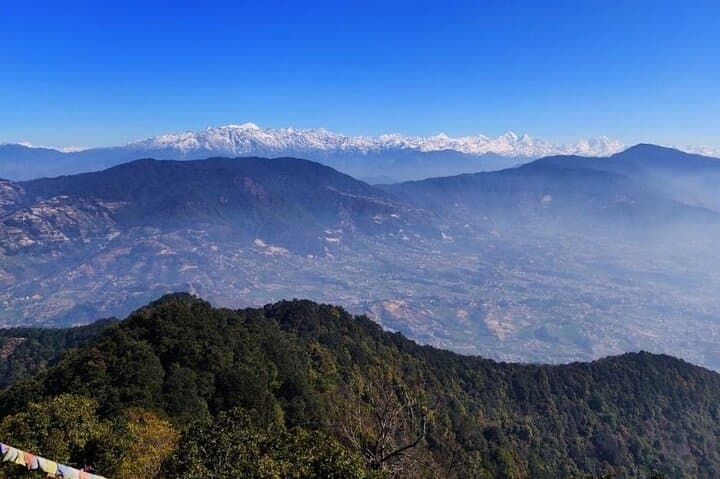
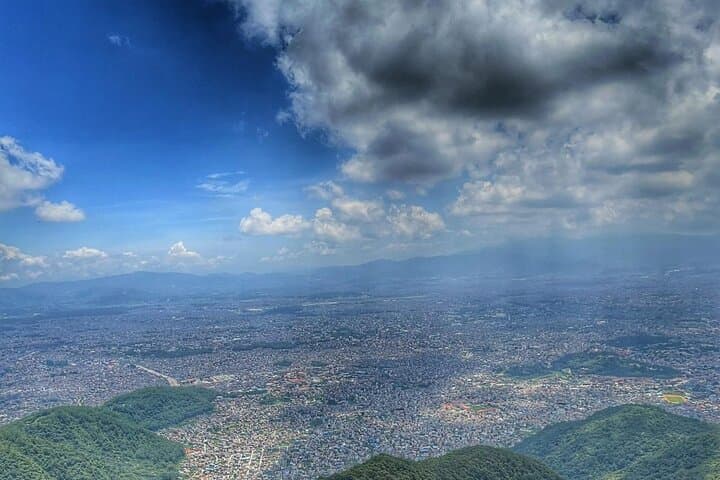
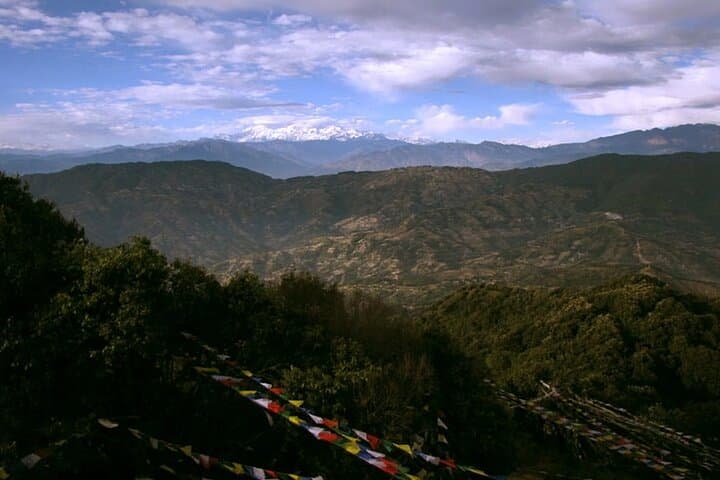
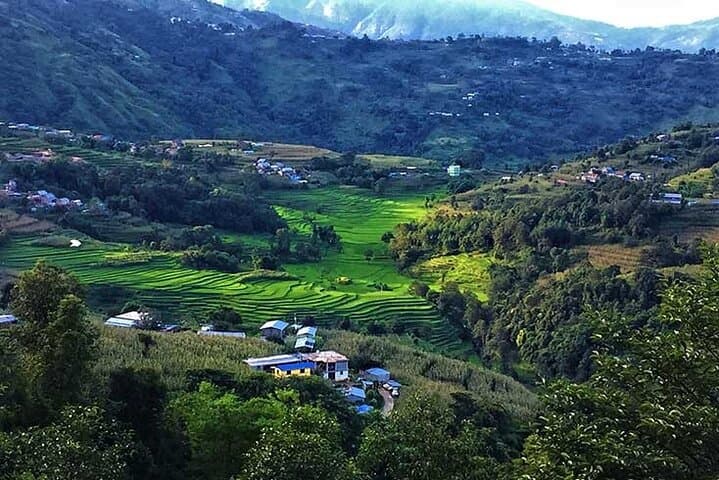
The route threads through mixed rhododendron and pine forest, the understory alive with chirping bulbuls and the occasional scurry of barking deer. Midway, Nagi Gompa perches on a ridge: a quiet Buddhist monastery where prayer flags tug at the wind and the valley spreads below like a living map. Continue higher to Nagarjun Hill (≈2,128 m), where open viewpoints turn the Kathmandu Valley into a layered panorama of terraced fields and distant Himalayan ridgelines.
Geologically, the park is part of the Lesser Himalaya — folded slopes, weathered ridges and fast-draining loams that can become slippery after rain. Historically the area served as royal summer retreat land and contains small religious sites used by locals for meditation and seasonal festivals.
Expect a full-day rhythm: steady climbs, intermittent stone steps, and packed-lunch pauses at the summit with wide mountain views of Langtang, Ganesh and Manaslu ranges. Wildlife sightings commonly include langur monkeys and small deer; resident birds favor the canopy.
Practical guidance: start early to avoid afternoon haze, bring layers for wind on the exposed summit, and wear sturdy hiking shoes—trail sections can be rocky and steep. A local English-speaking guide and private car transfer are typically included, which simplifies logistics and lets you focus on pace and photography. Hydrate regularly and carry a rain shell during monsoon months; the park enforces entry fees and basic conservation rules to protect its fragile forest.
moderate.
9–10 hours.
Moderate fitness: comfortable with sustained uphill hiking and multiple hours on your feet.
The curated tour runs about 9–10 hours door-to-door with roughly 4–6 hours of walking and steady climbs; it’s rated moderate and requires a good level of fitness.
Yes — Shivapuri-Nagarjun National Park charges an entry fee payable locally; the tour often includes admission in the booking details.
Private pickup and drop-off from Kathmandu hotels is typically included, simplifying access to the trailhead at Shivapuri entrance.
This trip is not recommended for pregnant guests or those with serious spinal or cardiovascular conditions; children should be capable of long hikes and supervised at all times.
Nagarjun served historically as a royal retreat and contains small religious sites like Nagi Gompa that reflect the region’s Buddhist heritage.
The park is managed to protect its forest and watershed; visitors are asked to stay on trails, carry out trash, and avoid feeding wildlife to minimize impact.
Couch Adventure Nepal (CAN) operates guided outdoor trips and adventures with an emphasis on safety, stewardship, and memorable experiences.
You step out of the car at the Shivapuri-Nagarjun park gate and the city’s noise loosens its grip — the pines inhale the dust and the trail pulls you uphill.
You step out of the car at the Shivapuri-Nagarjun park gate and the city’s noise loosens its grip — the pines inhale the dust and the trail pulls you uphill.
The route threads through mixed rhododendron and pine forest, the understory alive with chirping bulbuls and the occasional scurry of barking deer. Midway, Nagi Gompa perches on a ridge: a quiet Buddhist monastery where prayer flags tug at the wind and the valley spreads below like a living map. Continue higher to Nagarjun Hill (≈2,128 m), where open viewpoints turn the Kathmandu Valley into a layered panorama of terraced fields and distant Himalayan ridgelines.
Geologically, the park is part of the Lesser Himalaya — folded slopes, weathered ridges and fast-draining loams that can become slippery after rain. Historically the area served as royal summer retreat land and contains small religious sites used by locals for meditation and seasonal festivals.
Expect a full-day rhythm: steady climbs, intermittent stone steps, and packed-lunch pauses at the summit with wide mountain views of Langtang, Ganesh and Manaslu ranges. Wildlife sightings commonly include langur monkeys and small deer; resident birds favor the canopy.
Practical guidance: start early to avoid afternoon haze, bring layers for wind on the exposed summit, and wear sturdy hiking shoes—trail sections can be rocky and steep. A local English-speaking guide and private car transfer are typically included, which simplifies logistics and lets you focus on pace and photography. Hydrate regularly and carry a rain shell during monsoon months; the park enforces entry fees and basic conservation rules to protect its fragile forest.