THE ADVENTURE COLLECTIVE® · Independent discovery and booking for outdoor travel

Spend three hours walking ancient mixed forests to a mirror-still pond, with a guided coffee break and recommended soak at Fuke-no-yu Onsen. Snowshoe options run April–May for deeper winter access.
Spend three hours walking ancient mixed forests to a mirror-still pond, with a guided coffee break and recommended soak at Fuke-no-yu Onsen. Snowshoe options run April–May for deeper winter access.
A low mist clings to the trunks as you step from the Fuke-no-yu Onsen parking lot and into a forest that feels older than memory. The trail first threads through mixed broadleaf and conifer stands, moss clinging to stones and roots that shift underfoot. Walkers move quietly; then the trees open and Naganuma appears — a mirror-smooth pond framed by primeval flora where the water holds the sky like a secret.
Verified experiences and guided adventures in the surrounding area.
Operated by 自然公園財団 八幡平支部 · Kazuno, Akita Prefecture
A low mist clings to the trunks as you step from the Fuke-no-yu Onsen parking lot and into a forest that feels older than memory. The trail first threads through mixed broadleaf and conifer stands, moss clinging to stones and roots that shift underfoot. Walkers move quietly; then the trees open and Naganuma appears — a mirror-smooth pond framed by primeval flora where the water holds the sky like a secret.
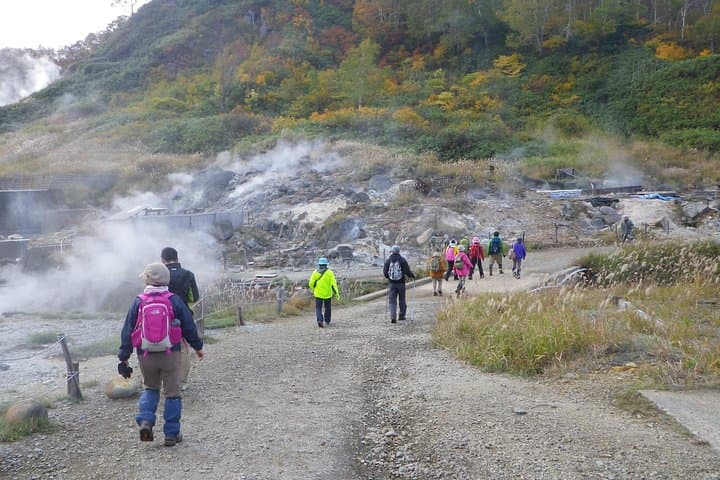
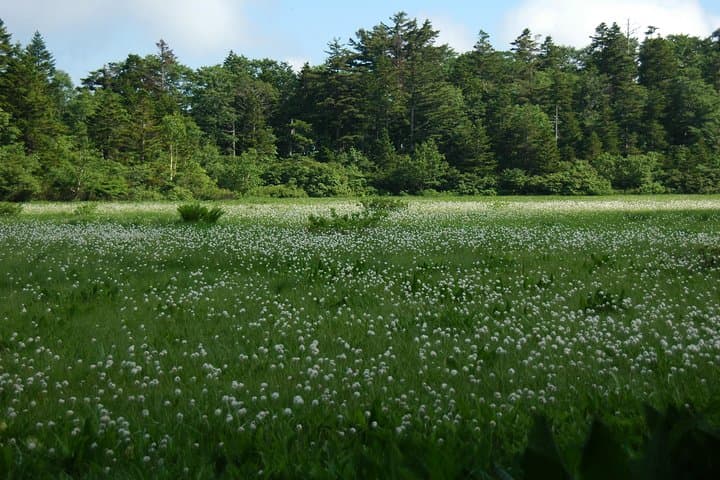
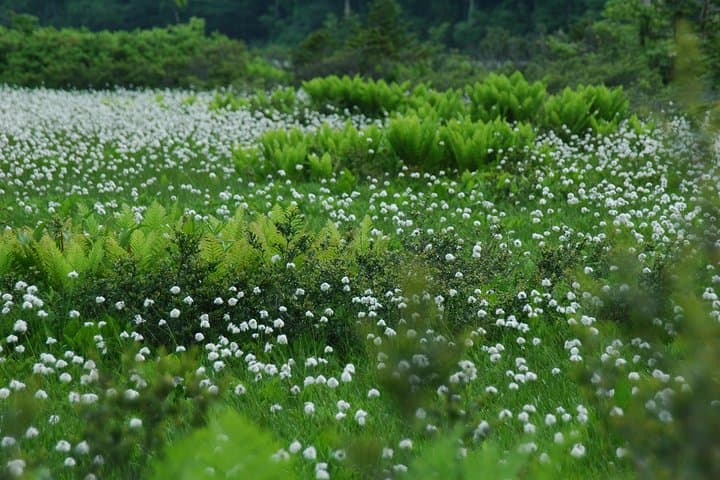
This short guided route crosses quiet marshland (Ōyachi) and old-growth pockets that speak to Akita’s volcanic geology and the region’s post-glacial wetlands. Fuke-no-yu itself sits where hot spring vents meet cooler forest air, a local onsen tradition tied to communal bathing and seasonal retreats. Guides explain how centuries of volcanic activity shaped the soil and how locals have used the forest for charcoal, foraging, and seasonal pilgrimage.
Practically, expect a 3-hour loop with gentle elevation changes, boardwalk or soft forest ground through marshy sections, and an easy viewpoint near the giant “Manda no Ki” when snow permits. From April to May, snowshoes replace boots and the route opens to areas usually inaccessible. A guided coffee break overlooks Naganuma; the walk ends back at Fuke-no-yu for a recommended day-bath.
Bring layered waterproof clothing, steady footwear, and a small daypack. The pace is interpretive and relaxed but requires moderate fitness and sure footing. This is a short, sensory forest walk that rewards quiet observation: steam daring you back toward the onsen, water pushing stillness into the trees.
moderate.
2–3 hours.
Moderate fitness required: able to walk uneven terrain and short uphill sections for several hours
The meeting point is the Fuke-no-yu Onsen parking lot; guides handle check-in and equipment fitting there.
Yes—during the remaining snow season (typically April–May) guides provide and fit snowshoes as part of the tour.
The guided walk ends at Fuke-no-yu and rental equipment is returned; day-bathing is recommended but typically not included in the tour price.
Not recommended for pregnant travelers; children with moderate fitness can participate but check age restrictions and contact the operator for specifics.
Local communities have long used nearby hot springs and forest resources; volcanic activity shaped soils and wetland formation over millennia.
Stay on boardwalks and marked trails to protect peat and marsh habitats; the area is sensitive to trampling and invasive species.
自然公園財団 八幡平支部 operates guided outdoor trips and adventures with an emphasis on safety, stewardship, and memorable experiences.
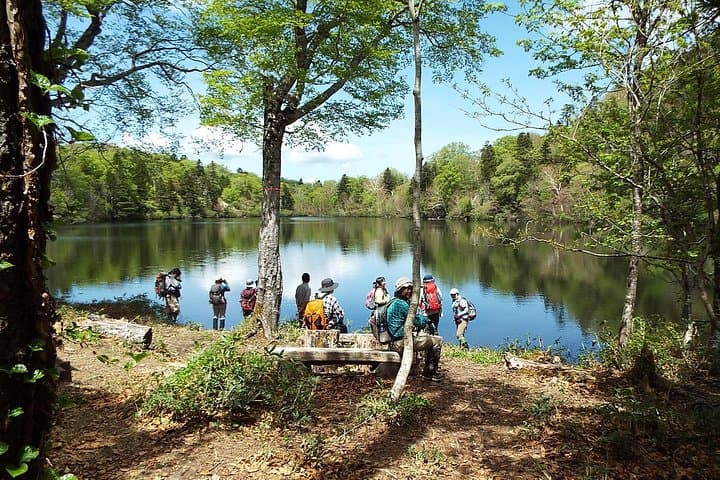
A low mist clings to the trunks as you step from the Fuke-no-yu Onsen parking lot and into a forest that feels older than memory. The trail first threads through mixed broadleaf and conifer stands, moss clinging to stones and roots that shift underfoot. Walkers move quietly; then the trees open and Naganuma appears — a mirror-smooth pond framed by primeval flora where the water holds the sky like a secret.
A low mist clings to the trunks as you step from the Fuke-no-yu Onsen parking lot and into a forest that feels older than memory. The trail first threads through mixed broadleaf and conifer stands, moss clinging to stones and roots that shift underfoot. Walkers move quietly; then the trees open and Naganuma appears — a mirror-smooth pond framed by primeval flora where the water holds the sky like a secret.
This short guided route crosses quiet marshland (Ōyachi) and old-growth pockets that speak to Akita’s volcanic geology and the region’s post-glacial wetlands. Fuke-no-yu itself sits where hot spring vents meet cooler forest air, a local onsen tradition tied to communal bathing and seasonal retreats. Guides explain how centuries of volcanic activity shaped the soil and how locals have used the forest for charcoal, foraging, and seasonal pilgrimage.
Practically, expect a 3-hour loop with gentle elevation changes, boardwalk or soft forest ground through marshy sections, and an easy viewpoint near the giant “Manda no Ki” when snow permits. From April to May, snowshoes replace boots and the route opens to areas usually inaccessible. A guided coffee break overlooks Naganuma; the walk ends back at Fuke-no-yu for a recommended day-bath.
Bring layered waterproof clothing, steady footwear, and a small daypack. The pace is interpretive and relaxed but requires moderate fitness and sure footing. This is a short, sensory forest walk that rewards quiet observation: steam daring you back toward the onsen, water pushing stillness into the trees.