THE ADVENTURE COLLECTIVE® · Independent discovery and booking for outdoor travel

See Japan’s famous snow monkeys at Jigokudani and explore the venerable Zenko-ji Temple on a private day tour from Tokyo or Nagano. This full-day outing pairs wildlife viewing with cultural history and accessible transport.
See Japan’s famous snow monkeys at Jigokudani and explore the venerable Zenko-ji Temple on a private day tour from Tokyo or Nagano. This full-day outing pairs wildlife viewing with cultural history and accessible transport.
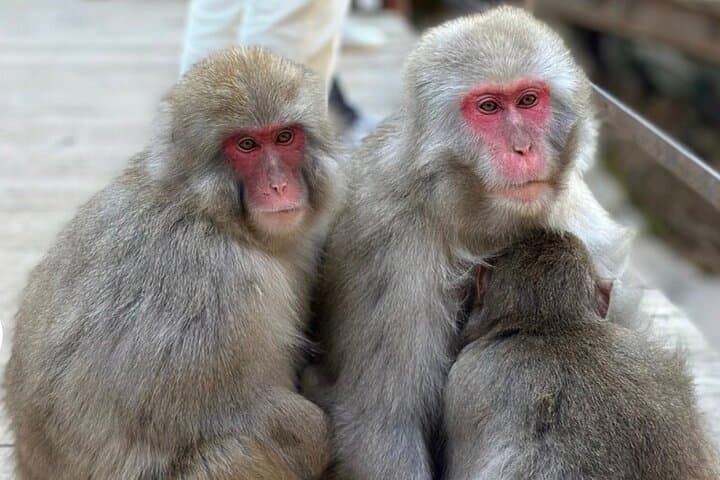
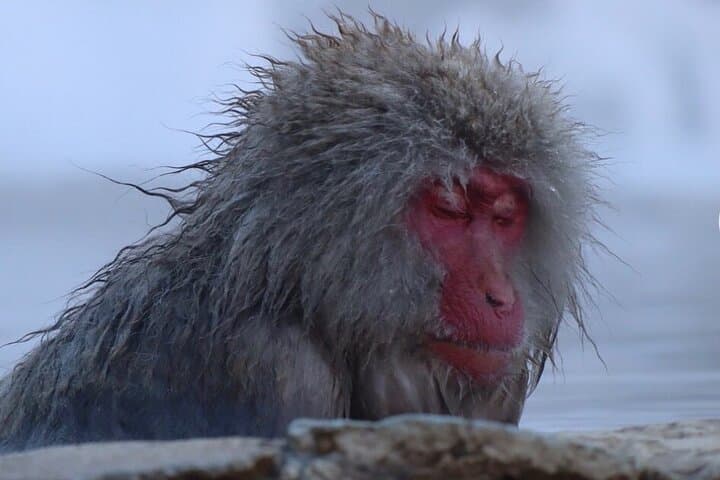
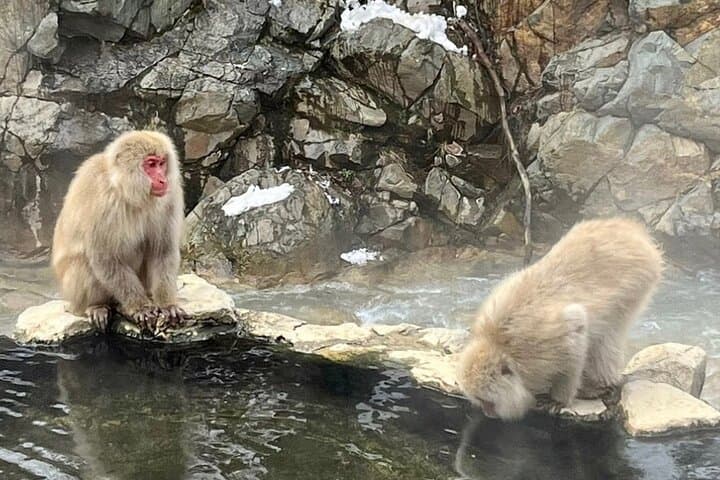
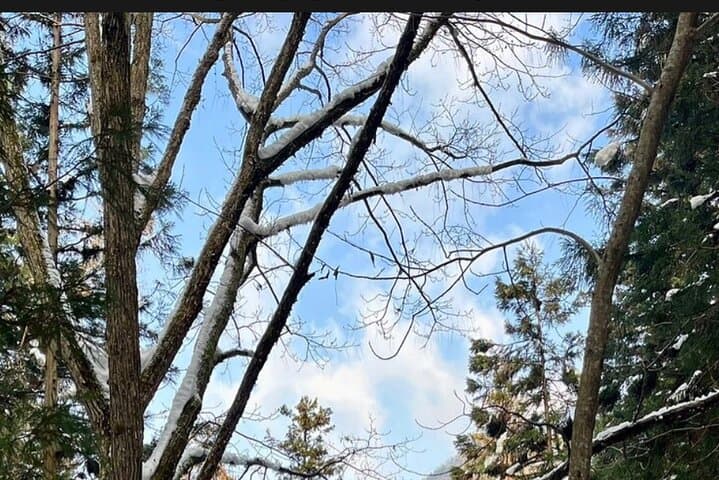
A steam-wreathed valley opens as the car drops you at Kanbayashi Onsen: late-winter breath hangs over dark pines, and somewhere upstream a group of macaques eases into a steaming pool as if reheating for the cold. The short walk to Jigokudani Monkey Park threads along a narrow ravine, boardwalks clicking beneath your boots and the occasional chime of a temple bell carried on the air.
Verified experiences and guided adventures in the surrounding area.
Operated by NIHON HORIZON TOUR · Nagano, Nagano Prefecture
A steam-wreathed valley opens as the car drops you at Kanbayashi Onsen: late-winter breath hangs over dark pines, and somewhere upstream a group of macaques eases into a steaming pool as if reheating for the cold. The short walk to Jigokudani Monkey Park threads along a narrow ravine, boardwalks clicking beneath your boots and the occasional chime of a temple bell carried on the air.
Jigokudani sits within Joshin'etsu Kogen National Park and is famous for its wild Japanese macaques that use the hot springs through colder months. The park contrasts sharply with Zenko-ji Temple in Nagano city—a Buddhist site founded in the 7th century whose main hall and pilgrimage route tell stories of faith, ritual, and cross-cultural influence from the Korean peninsula and China.
Geologically, the valley owes its hot springs to subterranean volcanic activity; steam and mineral-rich water shape both habitat and human use. Culturally, a visit pairs natural history with living tradition: monkey behavior reflects seasonal rhythms, while Zenko-ji’s architecture and underground “dark passage” speak to centuries of pilgrimage.
Practical guidance: expect about a 1–1.6 km (0.6–1 mile) walk from the parking/onsen area to the monkey viewing platform each way, mostly level with some steps and wooden paths; allow 30–45 minutes. Transport is advertised wheelchair-accessible, but the trail includes uneven surfaces—confirm mobility needs in advance. Bring waterproof layers in winter, a telephoto lens for macaque shots, cash for small purchases, and arrive earlier in the day for softer light and quieter viewing. Respect signage: do not feed or approach macaques. The tour’s pace and English-speaking driver-guide make this an efficient way to combine wildlife viewing with the cultural visit to Zenko-ji within a full day.
easy.
10 hours.
Suitable for travelers of average fitness who can walk 1–2 miles on uneven surfaces; minimal sustained exertion.
From the Kanbayashi Onsen parking area it’s roughly 1–1.6 km (0.6–1 mile) each way and typically takes 30–45 minutes depending on pace and conditions.
The tour vehicle and pickup are advertised as wheelchair-accessible, but the park trail includes uneven boardwalks and steps that may limit access—discuss needs with the operator ahead of booking.
The park does not require advance tickets for general admission, but the private tour includes logistics and pickup—confirm any seasonal restrictions with the operator.
No—feeding or touching wild macaques is prohibited for visitor safety and animal welfare; observe from the designated areas.
Zenko-ji Temple has roots in the 7th century and houses a revered image of the Buddha brought to Japan in the 6th century; Jigokudani was set aside within Joshin'etsu Kogen as a refuge for macaques.
Do not feed or approach wildlife; stay on boardwalks to protect fragile vegetation and minimize human impact on hot-spring habitats.
NIHON HORIZON TOUR operates guided outdoor trips and adventures with an emphasis on safety, stewardship, and memorable experiences.
A steam-wreathed valley opens as the car drops you at Kanbayashi Onsen: late-winter breath hangs over dark pines, and somewhere upstream a group of macaques eases into a steaming pool as if reheating for the cold. The short walk to Jigokudani Monkey Park threads along a narrow ravine, boardwalks clicking beneath your boots and the occasional chime of a temple bell carried on the air.
A steam-wreathed valley opens as the car drops you at Kanbayashi Onsen: late-winter breath hangs over dark pines, and somewhere upstream a group of macaques eases into a steaming pool as if reheating for the cold. The short walk to Jigokudani Monkey Park threads along a narrow ravine, boardwalks clicking beneath your boots and the occasional chime of a temple bell carried on the air.
Jigokudani sits within Joshin'etsu Kogen National Park and is famous for its wild Japanese macaques that use the hot springs through colder months. The park contrasts sharply with Zenko-ji Temple in Nagano city—a Buddhist site founded in the 7th century whose main hall and pilgrimage route tell stories of faith, ritual, and cross-cultural influence from the Korean peninsula and China.
Geologically, the valley owes its hot springs to subterranean volcanic activity; steam and mineral-rich water shape both habitat and human use. Culturally, a visit pairs natural history with living tradition: monkey behavior reflects seasonal rhythms, while Zenko-ji’s architecture and underground “dark passage” speak to centuries of pilgrimage.
Practical guidance: expect about a 1–1.6 km (0.6–1 mile) walk from the parking/onsen area to the monkey viewing platform each way, mostly level with some steps and wooden paths; allow 30–45 minutes. Transport is advertised wheelchair-accessible, but the trail includes uneven surfaces—confirm mobility needs in advance. Bring waterproof layers in winter, a telephoto lens for macaque shots, cash for small purchases, and arrive earlier in the day for softer light and quieter viewing. Respect signage: do not feed or approach macaques. The tour’s pace and English-speaking driver-guide make this an efficient way to combine wildlife viewing with the cultural visit to Zenko-ji within a full day.