THE ADVENTURE COLLECTIVE® · Independent discovery and booking for outdoor travel

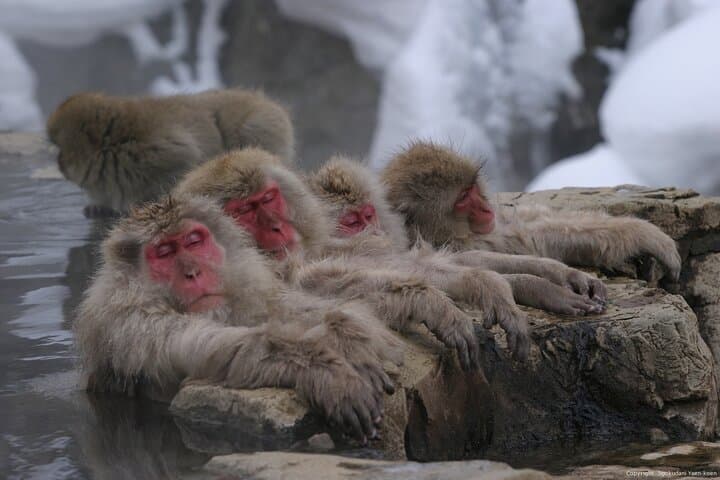
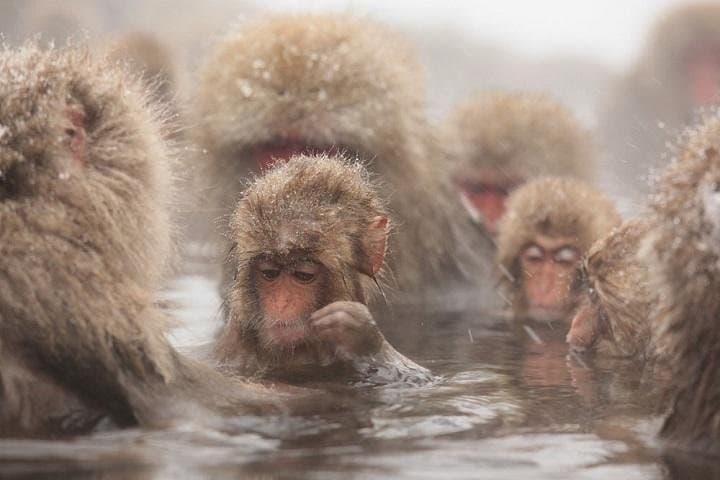
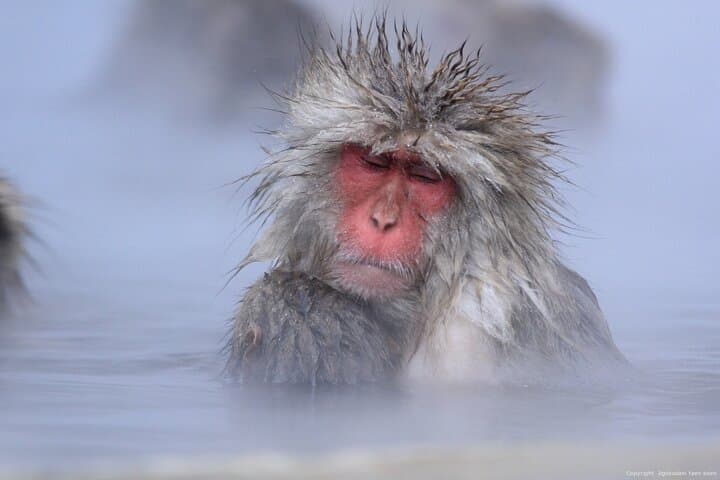
Spend a long day from Tokyo to Jigokudani to watch wild Japanese macaques soak in thermal pools, paired with a beef sukiyaki lunch. Expect a three-hour coach ride, a 30–40 minute walk to the viewing area, and strict no-touch rules to protect the animals.
Spend a long day from Tokyo to Jigokudani to watch wild Japanese macaques soak in thermal pools, paired with a beef sukiyaki lunch. Expect a three-hour coach ride, a 30–40 minute walk to the viewing area, and strict no-touch rules to protect the animals.
Morning light breaks over the Chūbu mountains as the coach rolls north from Shinjuku, Tokyo, the road stretching toward a steam-misted valley. By midmorning the maples and conifers close in and the air sharpens; a short walk from the parking area leads down a wooded track toward mineral-steamed pools where macaques soak like islanders of another climate.
Verified experiences and guided adventures in the surrounding area.
Operated by H.I.S.Co., Ltd. · Yamanouchi, Nagano Prefecture
Morning light breaks over the Chūbu mountains as the coach rolls north from Shinjuku, Tokyo, the road stretching toward a steam-misted valley. By midmorning the maples and conifers close in and the air sharpens; a short walk from the parking area leads down a wooded track toward mineral-steamed pools where macaques soak like islanders of another climate.
Jigokudani Yaen-koen sits in a volcanic basin carved by hot springs and cold winters; the monkeys’ habit of bathing in onsen was recorded in the mid-20th century and the park now protects a habituated troop while keeping visitors at a respectful distance. Nearby Yudanaka and Shibu Onsen preserve Edo-era alleys and public footbaths that hint at the region’s onsen culture.
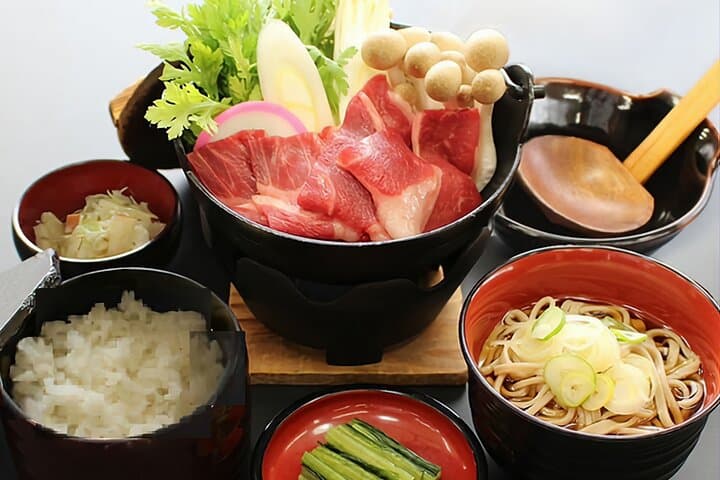
The tour pairs the wildlife visit with a traditional beef sukiyaki set lunch, offering a straightforward taste of Nagano cuisine. In winter, the spectacle intensifies: falling snow, steaming pools and, on select dates, Kamakura snow huts that transform the village into a glacial lantern festival.
Practicalities matter: expect a 3–3.5 hour bus ride each way, roughly 30–40 minutes’ walk from the coach parking to the viewing area, and the need for stable footwear in snow or mud. Guides enforce no-touch and no-feed rules—both for your safety and the monkeys’ wellbeing. Bring layered clothing, traction for icy approaches, and a charged camera; the encounter rewards patience more than proximity. Return to Tokyo late evening, having spent a day where wildlife, geology and local food converge.
easy.
13 hours.
Suitable for most fitness levels; be prepared for a 30–40 minute walk on uneven or snowy ground
Expect about 3 to 3.5 hours each way, with 2–3 service-area stops en route.
Monkeys are wild and sightings in the water can’t be guaranteed; winter snow increases the likelihood they’ll use the onsen.
The menu is beef sukiyaki by default; pork, vegetarian and vegan options are available if requested at booking (no fish/chicken/Hindu-style alternatives).
Not always required but recommended when there is snow or ice; the operator sells crampons onboard subject to availability.
The monkeys of Jigokudani became famous in the mid-20th century for using hot springs; the park protects a habituated troop while balancing tourism and animal welfare.
Strict no-feeding/no-touch rules and boardwalks limit disturbance; avoid littering and stick to designated paths to protect habitat and seasonal vegetation.
H.I.S.Co., Ltd. operates guided outdoor trips and adventures with an emphasis on safety, stewardship, and memorable experiences.
Morning light breaks over the Chūbu mountains as the coach rolls north from Shinjuku, Tokyo, the road stretching toward a steam-misted valley. By midmorning the maples and conifers close in and the air sharpens; a short walk from the parking area leads down a wooded track toward mineral-steamed pools where macaques soak like islanders of another climate.
Morning light breaks over the Chūbu mountains as the coach rolls north from Shinjuku, Tokyo, the road stretching toward a steam-misted valley. By midmorning the maples and conifers close in and the air sharpens; a short walk from the parking area leads down a wooded track toward mineral-steamed pools where macaques soak like islanders of another climate.
Jigokudani Yaen-koen sits in a volcanic basin carved by hot springs and cold winters; the monkeys’ habit of bathing in onsen was recorded in the mid-20th century and the park now protects a habituated troop while keeping visitors at a respectful distance. Nearby Yudanaka and Shibu Onsen preserve Edo-era alleys and public footbaths that hint at the region’s onsen culture.
The tour pairs the wildlife visit with a traditional beef sukiyaki set lunch, offering a straightforward taste of Nagano cuisine. In winter, the spectacle intensifies: falling snow, steaming pools and, on select dates, Kamakura snow huts that transform the village into a glacial lantern festival.
Practicalities matter: expect a 3–3.5 hour bus ride each way, roughly 30–40 minutes’ walk from the coach parking to the viewing area, and the need for stable footwear in snow or mud. Guides enforce no-touch and no-feed rules—both for your safety and the monkeys’ wellbeing. Bring layered clothing, traction for icy approaches, and a charged camera; the encounter rewards patience more than proximity. Return to Tokyo late evening, having spent a day where wildlife, geology and local food converge.