THE ADVENTURE COLLECTIVE® · Independent discovery and booking for outdoor travel

A private winter day pairing Togakushi’s cedar-shrouded snowshoe trails with a visit to the famous snow monkeys at Jigokudani. This guided, full-day trip combines cultural stops, safe winter travel, and hands-on snowshoeing.
A private winter day pairing Togakushi’s cedar-shrouded snowshoe trails with a visit to the famous snow monkeys at Jigokudani. This guided, full-day trip combines cultural stops, safe winter travel, and hands-on snowshoeing.
A pale winter sun lifts over the rooflines of Nagano Station as a new Subaru Forester threads quiet mountain roads toward the high cedar groves. Steam rises from a valley pool where wild macaques lounge; farther up, snowsoft pines hush each footstep. The day unfolds as a measured sequence—hot-spring spectacle, shrine lanes, then a measured push into Togakushi’s sacred forest on snowshoes.
Verified experiences and guided adventures in the surrounding area.
Operated by Mountain Leader Hama · Nagano, Nagano Prefecture
A pale winter sun lifts over the rooflines of Nagano Station as a new Subaru Forester threads quiet mountain roads toward the high cedar groves. Steam rises from a valley pool where wild macaques lounge; farther up, snowsoft pines hush each footstep. The day unfolds as a measured sequence—hot-spring spectacle, shrine lanes, then a measured push into Togakushi’s sacred forest on snowshoes.
The route sits on the rain-shadowed flank of the northern Japanese Alps. Geologically, the area is shaped by uplift and volcanic activity; geothermal vents create the hot pools that draw the macaques. Togakushi Shrine has millennia of spiritual association with mountain ascetic practices, and the forest paths follow ancient pilgrimage lines beneath tall cryptomeria.
Practically, the guided snowshoe leg runs roughly 3–5 km of packed-snow trails with intermittent deep drifts and an elevation change near 150–300 m, taking about 2–2.5 hours of on-snow travel. Trails are wooded, often shaded, with short steeper pitches and firm-packed sections; the guide provides TSL-equivalent snowshoes and poles. Travel logistics include round-trip pickup from Nagano Station and winter-capable 4WD transport.
For planning: schedule winter layers, waterproof boots that pair with the provided snowshoes, and allow a full day (roughly 9–10 hours door-to-door). Expect cultural pauses—shrine visits and onsen viewing—and wildlife etiquette: no feeding, maintain distance. The experience balances close wildlife viewing with alpine forest travel under professional, UIMLA-certified guidance.
moderate.
9–10 hours (full-day).
Moderate fitness: able to walk 2+ hours on snowy, uneven terrain and tolerate a long day in cold conditions
No; the guide provides basic instruction and fit for snowshoes and leads on marked forest trails suited to beginners with moderate fitness.
Yes, but use a telephoto or zoom lens and avoid flash or sudden movements; remain on designated paths and follow guide directions.
Timings may shift for safety; the guide can adjust the route or cancel with full refund if conditions are unsafe—check cancellation terms at booking.
Lunch is included at a local spot in Togakushi, but guests should bring snacks and personal hydration for the snowshoe segment.
Togakushi has been a mountain-religion center for centuries; its five shrines trace routes used by ascetics and villagers connecting agriculture and spiritual practice.
The region balances tourism with habitat sensitivity—visitors are asked to stay on trails, avoid feeding wildlife, and use local waste facilities to minimize impact.
Mountain Leader Hama operates guided outdoor trips and adventures with an emphasis on safety, stewardship, and memorable experiences.
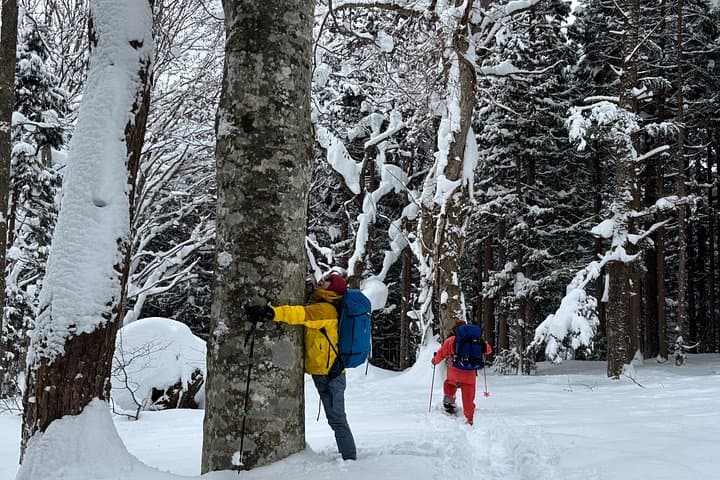
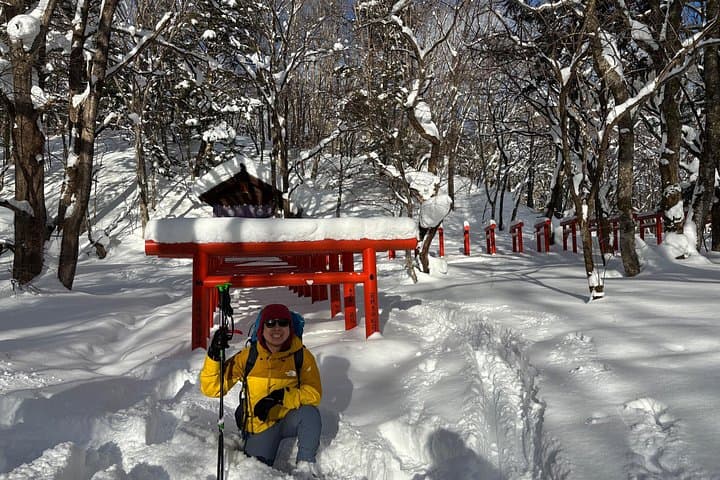
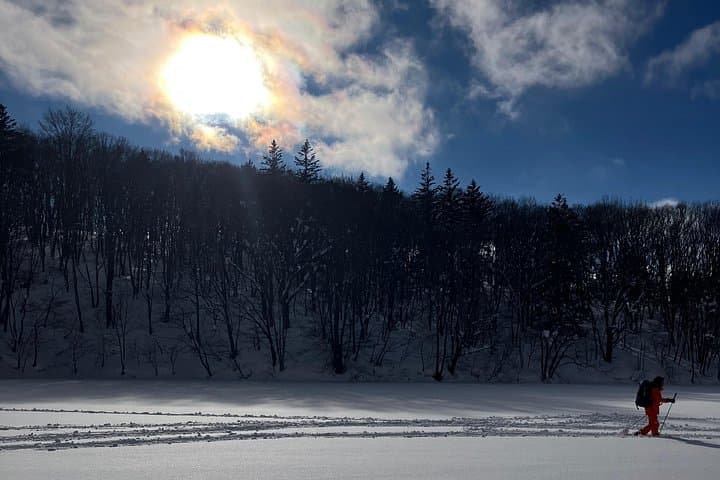
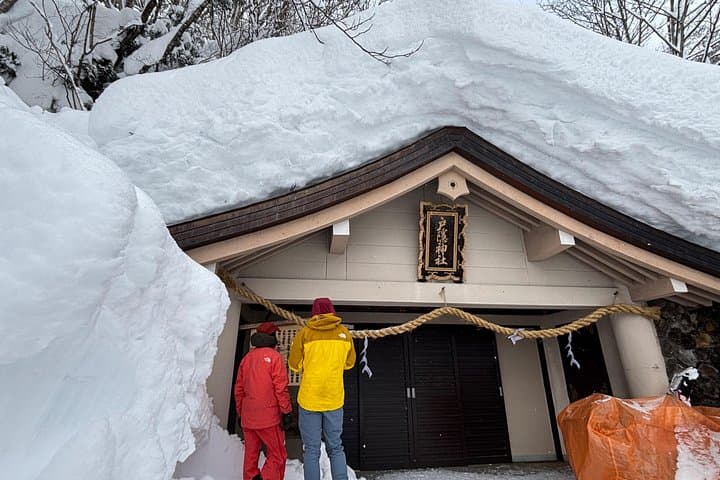
A pale winter sun lifts over the rooflines of Nagano Station as a new Subaru Forester threads quiet mountain roads toward the high cedar groves. Steam rises from a valley pool where wild macaques lounge; farther up, snowsoft pines hush each footstep. The day unfolds as a measured sequence—hot-spring spectacle, shrine lanes, then a measured push into Togakushi’s sacred forest on snowshoes.
A pale winter sun lifts over the rooflines of Nagano Station as a new Subaru Forester threads quiet mountain roads toward the high cedar groves. Steam rises from a valley pool where wild macaques lounge; farther up, snowsoft pines hush each footstep. The day unfolds as a measured sequence—hot-spring spectacle, shrine lanes, then a measured push into Togakushi’s sacred forest on snowshoes.
The route sits on the rain-shadowed flank of the northern Japanese Alps. Geologically, the area is shaped by uplift and volcanic activity; geothermal vents create the hot pools that draw the macaques. Togakushi Shrine has millennia of spiritual association with mountain ascetic practices, and the forest paths follow ancient pilgrimage lines beneath tall cryptomeria.
Practically, the guided snowshoe leg runs roughly 3–5 km of packed-snow trails with intermittent deep drifts and an elevation change near 150–300 m, taking about 2–2.5 hours of on-snow travel. Trails are wooded, often shaded, with short steeper pitches and firm-packed sections; the guide provides TSL-equivalent snowshoes and poles. Travel logistics include round-trip pickup from Nagano Station and winter-capable 4WD transport.
For planning: schedule winter layers, waterproof boots that pair with the provided snowshoes, and allow a full day (roughly 9–10 hours door-to-door). Expect cultural pauses—shrine visits and onsen viewing—and wildlife etiquette: no feeding, maintain distance. The experience balances close wildlife viewing with alpine forest travel under professional, UIMLA-certified guidance.