THE ADVENTURE COLLECTIVE® · Independent discovery and booking for outdoor travel

Spend a full day exploring Nagano’s highlights: watch wild snow monkeys in Jigokudani, experience the historical Zenkoji Temple, and walk the cedar avenue to Togakushi Shrine. This private tour with hotel pickup packs geology, culture, and local flavors into one accessible excursion.
Spend a full day exploring Nagano’s highlights: watch wild snow monkeys in Jigokudani, experience the historical Zenkoji Temple, and walk the cedar avenue to Togakushi Shrine. This private tour with hotel pickup packs geology, culture, and local flavors into one accessible excursion.
You step off the minivan and cold mountain air sharpens the senses — steam hisses in the distance and a cedar-lined path leads into a dim, cooling forest.
Verified experiences and guided adventures in the surrounding area.
Operated by Unemoto LLC · Nagano, Nagano Prefecture
You step off the minivan and cold mountain air sharpens the senses — steam hisses in the distance and a cedar-lined path leads into a dim, cooling forest.
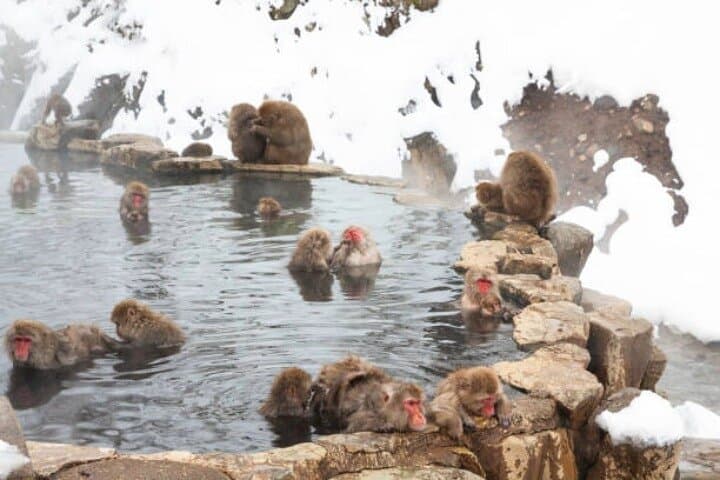
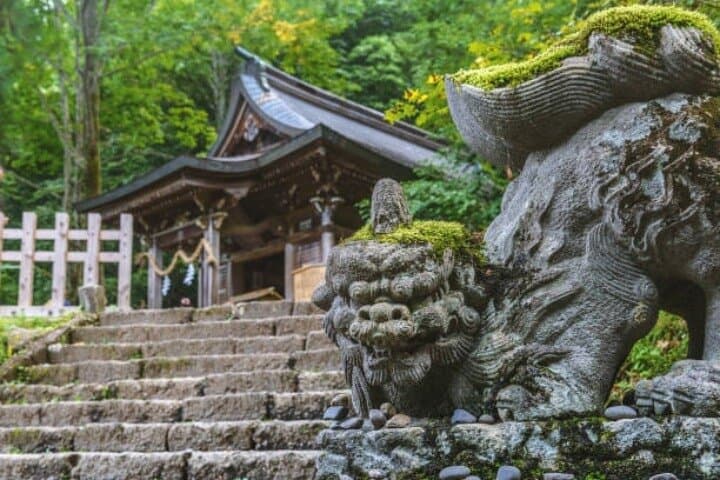
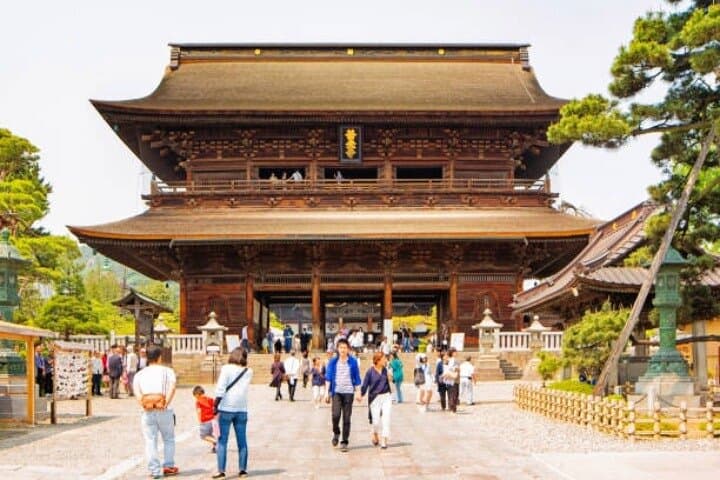
The day begins with a short, well-maintained trail toward Jigokudani Monkey Park, where wild Japanese macaques soak in geothermal pools as steam curls around their shoulders. From there the route moves through human history: Zenkoji Temple’s broad wooden eaves and dim interior speak of 1,400 years of pilgrimage, while Togakushi’s cedar avenue channels a quieter, older form of reverence linked to mountain worship and ninja lore.
Geologically, Nagano sits in a volcanic corridor of the Japanese Alps; hot springs and steaming vents at Jigokudani are local evidence of deep heat and fractured rock. Culturally, Zenkoji opened Buddhist practice to all classes, and Togakushi’s five shrines reflect Shinto connections to nature and myth.
Practical guidance: plan for an 8–10 hour day with hotel pickup in Nagano City, comfortable walking shoes, and layered clothing — trails range from paved temple approaches to 30–40 minute forest footpaths with mud or snow depending on season. Photography is plentiful but respect signage around the macaques; do not feed or approach them. Bring cash for shrine offerings, soba lunches, and small onsen-town purchases.
By the end of the day you’ll have moved from volcanic steam to ancient prayer halls and cedar corridors — a compressed, tangible portrait of central Japan’s natural and cultural landscape.
moderate.
8–10 hours.
Should be able to walk 2–4 miles across varied terrain and stand for extended viewing periods; moderate stamina recommended.
Expect several short walks: a 20–40 minute forest trail to Jigokudani, short walks around Togakushi shrines, and moderate walking at Zenkoji Temple—overall light to moderate physical activity across the day.
Admission to Jigokudani and Zenkoji is typically not included in the base tour price; check the booking details and bring cash for entry or optional fees.
Yes; Japanese macaques live in the valley year-round. Winter offers snowy scenes and onsen-soaking macaques, while summer shows lush green surroundings.
Pickup is offered from central Nagano City hotels and select nearby inns; you’ll confirm a pickup point during booking and should provide full hotel details.
Zenkoji has welcomed pilgrims for over 1,400 years and became a symbol of open-access Buddhism; Togakushi’s shrine network ties to local mountain deities and folklore including ninja associations.
Jigokudani manages visitor access to protect macaque behavior and habitat—avoid feeding wildlife and stick to marked paths to minimize disturbance.
Unemoto LLC operates guided outdoor trips and adventures with an emphasis on safety, stewardship, and memorable experiences.
You step off the minivan and cold mountain air sharpens the senses — steam hisses in the distance and a cedar-lined path leads into a dim, cooling forest.
You step off the minivan and cold mountain air sharpens the senses — steam hisses in the distance and a cedar-lined path leads into a dim, cooling forest.
The day begins with a short, well-maintained trail toward Jigokudani Monkey Park, where wild Japanese macaques soak in geothermal pools as steam curls around their shoulders. From there the route moves through human history: Zenkoji Temple’s broad wooden eaves and dim interior speak of 1,400 years of pilgrimage, while Togakushi’s cedar avenue channels a quieter, older form of reverence linked to mountain worship and ninja lore.
Geologically, Nagano sits in a volcanic corridor of the Japanese Alps; hot springs and steaming vents at Jigokudani are local evidence of deep heat and fractured rock. Culturally, Zenkoji opened Buddhist practice to all classes, and Togakushi’s five shrines reflect Shinto connections to nature and myth.
Practical guidance: plan for an 8–10 hour day with hotel pickup in Nagano City, comfortable walking shoes, and layered clothing — trails range from paved temple approaches to 30–40 minute forest footpaths with mud or snow depending on season. Photography is plentiful but respect signage around the macaques; do not feed or approach them. Bring cash for shrine offerings, soba lunches, and small onsen-town purchases.
By the end of the day you’ll have moved from volcanic steam to ancient prayer halls and cedar corridors — a compressed, tangible portrait of central Japan’s natural and cultural landscape.