THE ADVENTURE COLLECTIVE® · Independent discovery and booking for outdoor travel

Soft trekking through Nagaland’s hill villages and Assam’s river islands links easy walks with deep cultural encounters—from Khonoma’s terraces to Majuli’s mask-makers and Dibrugarh’s tea gardens. Read on for what to expect and how to prepare.
Soft trekking through Nagaland’s hill villages and Assam’s river islands links easy walks with deep cultural encounters—from Khonoma’s terraces to Majuli’s mask-makers and Dibrugarh’s tea gardens. Read on for what to expect and how to prepare.
The first light over Kohima catches on corrugated tin and prayer flags; mist slides down the hills as the guide opens the car door. You step into a market where smoked pork and fermented bamboo meet bright Naga textiles, then drive through terraced slopes to Khonoma, where war stories hang in the smoke of chimneyed kitchens.
Verified experiences and guided adventures in the surrounding area.
Operated by Agora Voyages Pvt. Ltd. · Kohima, Nagaland
The first light over Kohima catches on corrugated tin and prayer flags; mist slides down the hills as the guide opens the car door. You step into a market where smoked pork and fermented bamboo meet bright Naga textiles, then drive through terraced slopes to Khonoma, where war stories hang in the smoke of chimneyed kitchens.
This multi-day route threads together northeast India’s living history and big-river geology: Nagaland’s rolling hills formed on the fringe of the Indo-Myanmar ranges, and the Brahmaputra’s seasonal moods keep Majuli—one of the world’s largest river islands—shifting each year. Cultural gravity is strong here: Angami and Rengma villages keep communal crafts and oral history alive, Majuli hosts vaishnavite satras and mask-makers, and Dibrugarh’s tea estates reveal Assam’s colonial-era plantation geometry.
On the ground expect soft trekking—well-worn forest trails, terraced agriculture, and single-track sections through reserve forest to Tragopan sanctuary. Walks range from one-hour village loops to a 3–4 hour trail between hamlets; ferry crossings can be choppy when the Brahmaputra is high. Accommodations vary: guesthouses, community huts and homestays with simple amenities.
Practical edge: pack a lightweight rain shell and quick-dry layers, sturdy shoes with good grip, insect repellent, and cash for remote villages. Plan ferry windows into your schedule and allow leeway for tea-factory closures (April–November). Travel respectfully—ask before photographing and support local crafts directly. This is soft trekking with cultural depth: expect conversation, mud, birdcalls, and very good tea.
moderate.
9–10 days.
Light to moderate fitness; able to manage several 2–4 hour walks on uneven surfaces and steps.
Most community visits don’t require special permits, but foreigners should check current rules for Nagaland and register if required; your tour operator usually assists.
This is soft trekking—mostly short, well-trodden trails and village walks; basic stamina and steady footwear are sufficient.
Majuli is accessible year-round but ferry conditions vary; monsoon high-water can affect schedules—plan extra transfer time in rainy months.
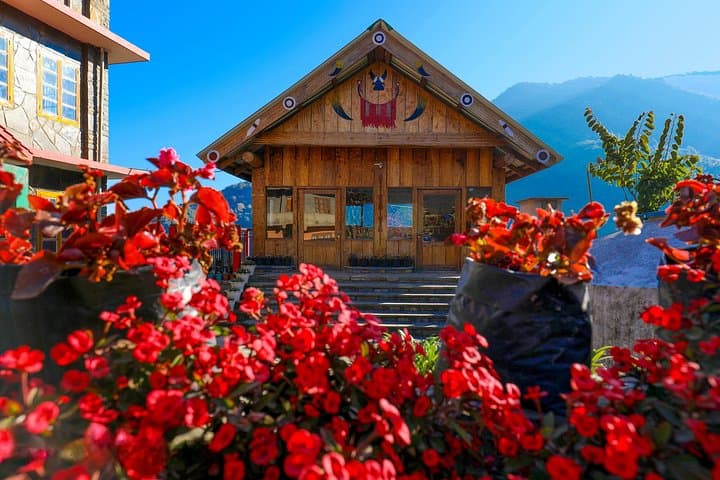
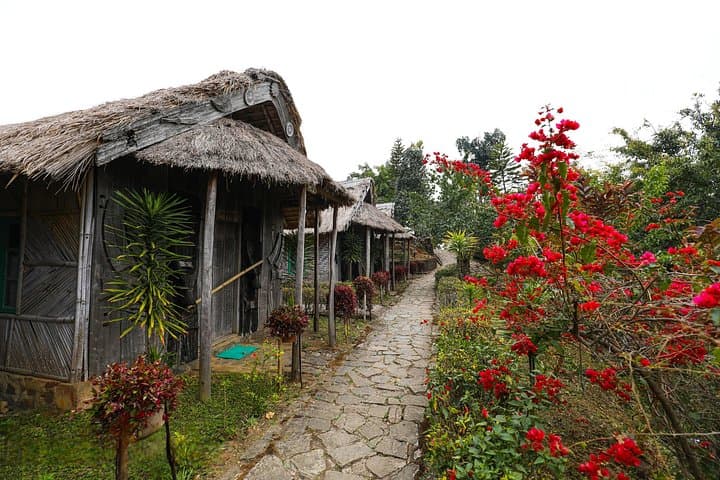
Expect a mix: mid-range hotels in towns, community-run huts and homestays in villages with simple facilities and warm hospitality.
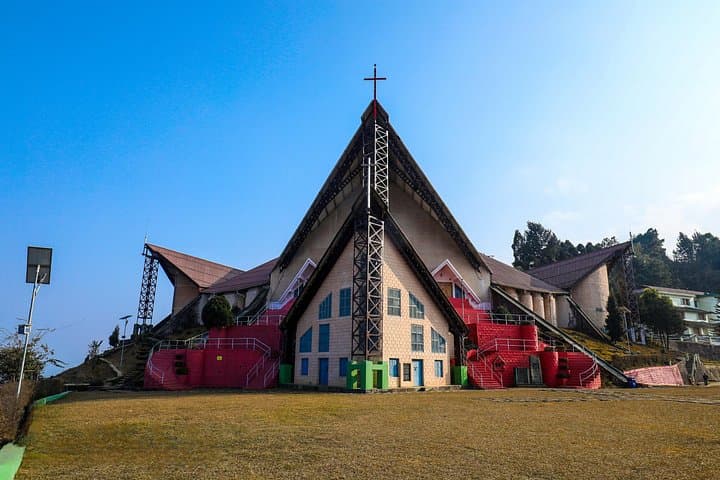
The region preserves Naga tribal histories and folklore; Kohima’s WWII ‘Tennis Court’ battle is a stark reminder of the area’s 20th-century conflict.
Majuli faces severe river erosion and many communities engage in silt management; Jeypore Rainforest is biodiversity-rich and benefits from low-impact visitation.
Agora Voyages Pvt. Ltd. operates guided outdoor trips and adventures with an emphasis on safety, stewardship, and memorable experiences.

The first light over Kohima catches on corrugated tin and prayer flags; mist slides down the hills as the guide opens the car door. You step into a market where smoked pork and fermented bamboo meet bright Naga textiles, then drive through terraced slopes to Khonoma, where war stories hang in the smoke of chimneyed kitchens.
The first light over Kohima catches on corrugated tin and prayer flags; mist slides down the hills as the guide opens the car door. You step into a market where smoked pork and fermented bamboo meet bright Naga textiles, then drive through terraced slopes to Khonoma, where war stories hang in the smoke of chimneyed kitchens.
This multi-day route threads together northeast India’s living history and big-river geology: Nagaland’s rolling hills formed on the fringe of the Indo-Myanmar ranges, and the Brahmaputra’s seasonal moods keep Majuli—one of the world’s largest river islands—shifting each year. Cultural gravity is strong here: Angami and Rengma villages keep communal crafts and oral history alive, Majuli hosts vaishnavite satras and mask-makers, and Dibrugarh’s tea estates reveal Assam’s colonial-era plantation geometry.
On the ground expect soft trekking—well-worn forest trails, terraced agriculture, and single-track sections through reserve forest to Tragopan sanctuary. Walks range from one-hour village loops to a 3–4 hour trail between hamlets; ferry crossings can be choppy when the Brahmaputra is high. Accommodations vary: guesthouses, community huts and homestays with simple amenities.
Practical edge: pack a lightweight rain shell and quick-dry layers, sturdy shoes with good grip, insect repellent, and cash for remote villages. Plan ferry windows into your schedule and allow leeway for tea-factory closures (April–November). Travel respectfully—ask before photographing and support local crafts directly. This is soft trekking with cultural depth: expect conversation, mud, birdcalls, and very good tea.