THE ADVENTURE COLLECTIVE® · Independent discovery and booking for outdoor travel

A compact 2-day trek from Dehradun, Nag Tibba delivers high Himalayan views without high-altitude risk. Expect pastoral trail approaches, a ridge-top summit and home-cooked homestays in the Pantwari–Goat Village region.
A compact 2-day trek from Dehradun, Nag Tibba delivers high Himalayan views without high-altitude risk. Expect pastoral trail approaches, a ridge-top summit and home-cooked homestays in the Pantwari–Goat Village region.
You step out of the homestay before dawn and the air is sharp with pine resin and cold earth. Headlamps bob on the cemented path as the trail slips upward, at first through terraced fields and thatched huts, then into a fir-scented corridor that opens onto a narrow ridge. The crest that holds the Nag Tibba flag arrives like a promised view: a sweep of snow-lines — Bandarpoonch, Gangotri and Kedarnath — drawn clean against the sky.
Verified experiences and guided adventures in the surrounding area.
Operated by Discover Activities · Dehradun, Uttarakhand
You step out of the homestay before dawn and the air is sharp with pine resin and cold earth. Headlamps bob on the cemented path as the trail slips upward, at first through terraced fields and thatched huts, then into a fir-scented corridor that opens onto a narrow ridge. The crest that holds the Nag Tibba flag arrives like a promised view: a sweep of snow-lines — Bandarpoonch, Gangotri and Kedarnath — drawn clean against the sky.
Nag Tibba (9,915 ft) sits in the Lesser Himalayas above the Pantwari-Goat Village corridor. Geologically the peak is part of folded Himalayan thrusts; trails cut across rocky benches and grassy ridgelines shaped by seasonal snow and monsoon erosion. Local villages practice terrace farming and homestays reflect Garhwali hospitality — expect simple, home-cooked meals and stories of shepherding and seasonal festivals.
Practically, this is a two-day, beginner-friendly trek: a 4-hour drive from Dehradun to Pantwari, a short approach walk, then a 3–4 hour ascent to the summit on Day 2 and descent the same day. Trails alternate cemented path, rocky steps and exposed ridge; traction and steady legs matter more than mountaineering skill. Weather shifts quickly—sun in the morning can give way to wind and low clouds by afternoon—so pack layers, bring 1.5–2 liters of water for the ascent, and plan photography windows early for clearer Himalayan views. Guides and homestays handle logistics and most meals; cell coverage fades past Pantwari, so treat the trek as a short digital fast and follow your leader’s safety briefings.
moderate.
2 days (4–6 hours trekking per day).
Suitable for beginners with regular walking fitness; some steep sections require stamina and steady footing.
Nag Tibba is considered beginner-friendly; the ascent is steep in places but short, and no technical climbing skills are required—basic fitness and good footwear suffice.
Clear views are most common in late autumn (Oct–Nov) and spring (Mar–May); winter can have snow on the ridge, while monsoon months bring heavy rain and slippery trails.
Coverage is generally available up to Pantwari; beyond that, signals become unreliable and you should plan assuming limited connectivity.
No special permits or technical equipment are required for this private 2-day trek—guides and homestay accommodation are usually included in tour packages.
Nag Tibba sits in Garhwal, an area with pastoral and temple traditions; local villages historically practiced terrace agriculture and seasonal grazing along these ridges.
Stick to marked paths and avoid trampling fragile alpine grasses; homestays and eco-tourism efforts help channel visitor impact into local income.
Discover Activities operates guided outdoor trips and adventures with an emphasis on safety, stewardship, and memorable experiences.
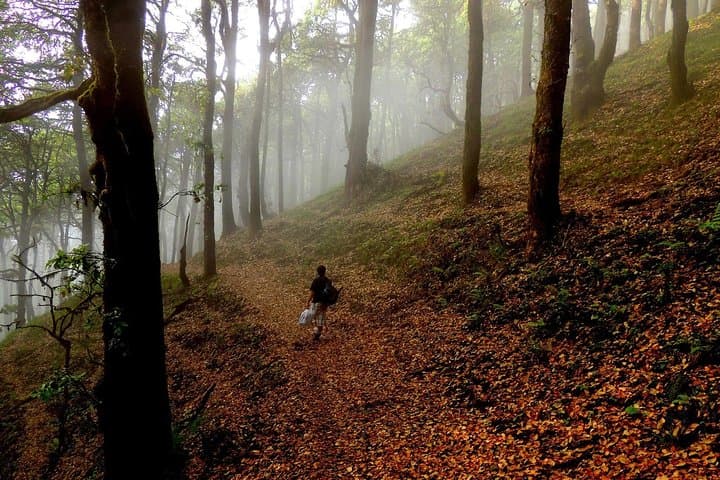


You step out of the homestay before dawn and the air is sharp with pine resin and cold earth. Headlamps bob on the cemented path as the trail slips upward, at first through terraced fields and thatched huts, then into a fir-scented corridor that opens onto a narrow ridge. The crest that holds the Nag Tibba flag arrives like a promised view: a sweep of snow-lines — Bandarpoonch, Gangotri and Kedarnath — drawn clean against the sky.
You step out of the homestay before dawn and the air is sharp with pine resin and cold earth. Headlamps bob on the cemented path as the trail slips upward, at first through terraced fields and thatched huts, then into a fir-scented corridor that opens onto a narrow ridge. The crest that holds the Nag Tibba flag arrives like a promised view: a sweep of snow-lines — Bandarpoonch, Gangotri and Kedarnath — drawn clean against the sky.
Nag Tibba (9,915 ft) sits in the Lesser Himalayas above the Pantwari-Goat Village corridor. Geologically the peak is part of folded Himalayan thrusts; trails cut across rocky benches and grassy ridgelines shaped by seasonal snow and monsoon erosion. Local villages practice terrace farming and homestays reflect Garhwali hospitality — expect simple, home-cooked meals and stories of shepherding and seasonal festivals.
Practically, this is a two-day, beginner-friendly trek: a 4-hour drive from Dehradun to Pantwari, a short approach walk, then a 3–4 hour ascent to the summit on Day 2 and descent the same day. Trails alternate cemented path, rocky steps and exposed ridge; traction and steady legs matter more than mountaineering skill. Weather shifts quickly—sun in the morning can give way to wind and low clouds by afternoon—so pack layers, bring 1.5–2 liters of water for the ascent, and plan photography windows early for clearer Himalayan views. Guides and homestays handle logistics and most meals; cell coverage fades past Pantwari, so treat the trek as a short digital fast and follow your leader’s safety briefings.