THE ADVENTURE COLLECTIVE® · Independent discovery and booking for outdoor travel

A compact 2‑night, 3‑day trek to Nag Tibba (3,022 m) that blends alpine meadows and simple village life. Choose camping under open skies or a goat‑village farm stay and summit the highest peak of the lower Himalaya.
A compact 2‑night, 3‑day trek to Nag Tibba (3,022 m) that blends alpine meadows and simple village life. Choose camping under open skies or a goat‑village farm stay and summit the highest peak of the lower Himalaya.
You arrive before dawn on a narrow mountain road; the air is thin and bright, pines huffing cold breath as the trailhead yawns up into cloud. The first day climbs through farm clearings and cedar groves, a steady chorus of loose scree and grassy meadows opening above tree line. By evening a camp or a goat‑village homestay sits under the shoulder of Nag Tibba, the summit rising like a coiled ridge above you.
Verified experiences and guided adventures in the surrounding area.
Operated by Easy Prime Holidays · Mussoorie, Uttarakhand
You arrive before dawn on a narrow mountain road; the air is thin and bright, pines huffing cold breath as the trailhead yawns up into cloud. The first day climbs through farm clearings and cedar groves, a steady chorus of loose scree and grassy meadows opening above tree line. By evening a camp or a goat‑village homestay sits under the shoulder of Nag Tibba, the summit rising like a coiled ridge above you.
Nag Tibba (3,022 m) is the highest point of the lesser Himalaya in this sector — a compact peak shaped by uplift and ancient glaciation that leaves broad grassy domes and rocky outcrops rather than jagged ridges. The area has long been used by shepherds and small-scale farmers; the farm stays here keep living, milking and simple cuisine part of the itinerary, so the human landscape feels lived‑in rather than remote.
Expect roughly 20–25 km of walking spread over uphill and downhill sections across two days of trekking, with one summit push from a high camp. Terrain alternates dirt tracks, stony switchbacks and open alpine meadows where wind pushes you along and clouds sometimes race to the summit first.
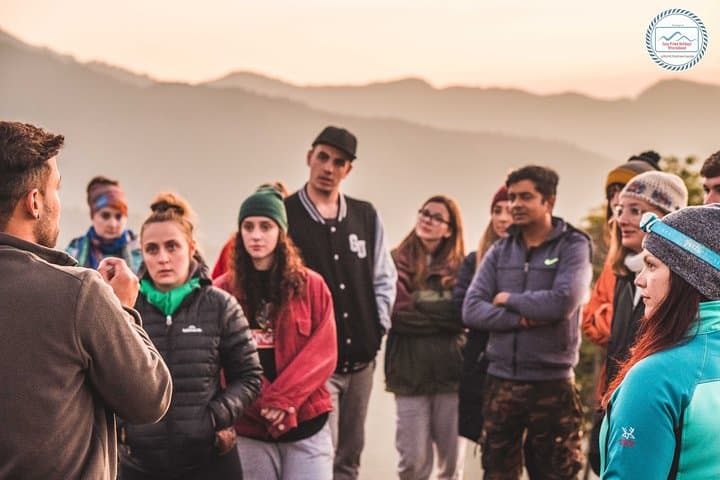
Practical guidance: start early for the summit to avoid afternoon winds; layer for quick temperature swings and carry at least 2–3 liters of water per day. Trails are suitable for anyone with moderate fitness and stable footing; guides handle navigation and permits. Whether you choose camp nights or a farm retreat, plan for basic facilities, simple meals, and weather‑dependent logistics — flexibility is part of the climb.
moderate.
2–3 days.
Suitable for trekkers with a moderate level of fitness who can manage sustained climbs of several hours and downhill descents; good balance helps.
The summit day is a steady uphill of a few hours from high camp with some rocky sections; it’s best described as moderate — fitness and proper footwear are important.
Local forest entry fees and permits are typically handled by the operator or guide; independent trekkers should check with local authorities or ranger stations.
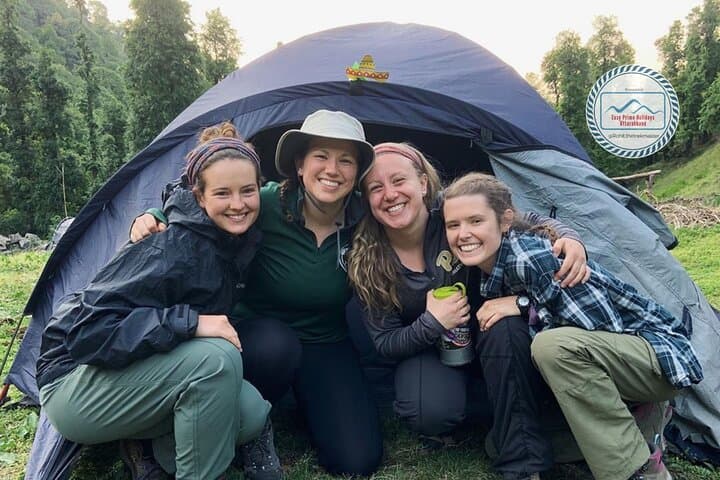
Options range from alpine camping in meadows to a rural goat‑village homestay offering simple meals and farm experiences; facilities are basic compared with hotels.
Late spring through autumn (April–June and September–November) offers stable weather and good visibility; monsoon months are wet and can make trails slippery.
Local communities have grazed these slopes for generations; the route interweaves seasonal pastureland and smallholder farms that reflect traditional mountain life.
Stick to established trails and campsites, pack out waste, and follow guide instructions — fragile alpine meadows recover slowly from trampling and litter.
Easy Prime Holidays operates guided outdoor trips and adventures with an emphasis on safety, stewardship, and memorable experiences.
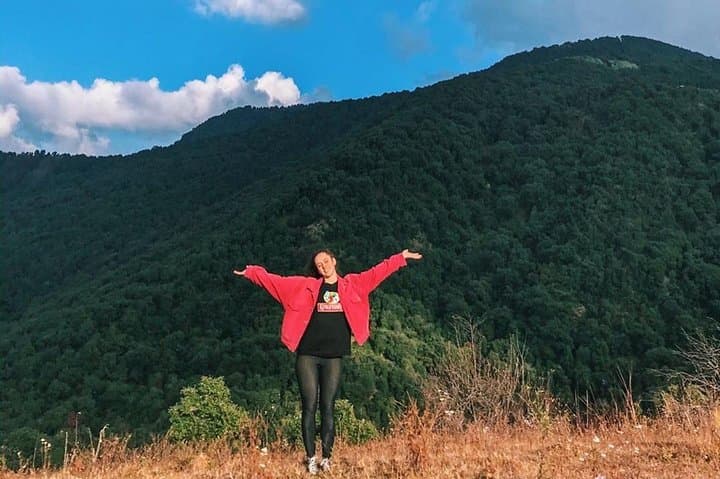
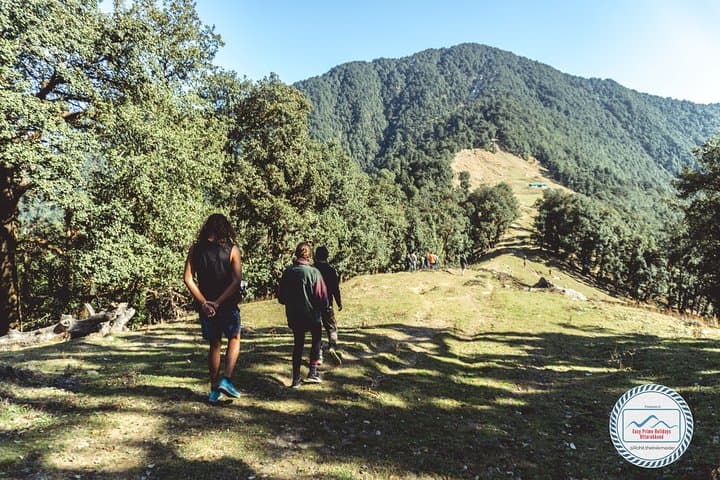
You arrive before dawn on a narrow mountain road; the air is thin and bright, pines huffing cold breath as the trailhead yawns up into cloud. The first day climbs through farm clearings and cedar groves, a steady chorus of loose scree and grassy meadows opening above tree line. By evening a camp or a goat‑village homestay sits under the shoulder of Nag Tibba, the summit rising like a coiled ridge above you.
You arrive before dawn on a narrow mountain road; the air is thin and bright, pines huffing cold breath as the trailhead yawns up into cloud. The first day climbs through farm clearings and cedar groves, a steady chorus of loose scree and grassy meadows opening above tree line. By evening a camp or a goat‑village homestay sits under the shoulder of Nag Tibba, the summit rising like a coiled ridge above you.
Nag Tibba (3,022 m) is the highest point of the lesser Himalaya in this sector — a compact peak shaped by uplift and ancient glaciation that leaves broad grassy domes and rocky outcrops rather than jagged ridges. The area has long been used by shepherds and small-scale farmers; the farm stays here keep living, milking and simple cuisine part of the itinerary, so the human landscape feels lived‑in rather than remote.
Expect roughly 20–25 km of walking spread over uphill and downhill sections across two days of trekking, with one summit push from a high camp. Terrain alternates dirt tracks, stony switchbacks and open alpine meadows where wind pushes you along and clouds sometimes race to the summit first.
Practical guidance: start early for the summit to avoid afternoon winds; layer for quick temperature swings and carry at least 2–3 liters of water per day. Trails are suitable for anyone with moderate fitness and stable footing; guides handle navigation and permits. Whether you choose camp nights or a farm retreat, plan for basic facilities, simple meals, and weather‑dependent logistics — flexibility is part of the climb.