THE ADVENTURE COLLECTIVE® · Independent discovery and booking for outdoor travel

A compact two-day trek to Nag Tibba delivers high-alpine views without technical climbing: stay in camps at a goat hamlet, summit at dawn for Himalayan panoramas, and return the same day. This practical guide covers what to expect, when to go, and how to prepare.
A compact two-day trek to Nag Tibba delivers high-alpine views without technical climbing: stay in camps at a goat hamlet, summit at dawn for Himalayan panoramas, and return the same day. This practical guide covers what to expect, when to go, and how to prepare.
Dawn cracks over narrow lanes as a jeep pulls into Pantwari and the smell of wood smoke and chai drifts from the goat village. You strap on boots and set off across pasture, the trail climbing away through rhododendron scrub and terraced fields, each switchback revealing a wider slice of the Garhwal Himalaya.
Verified experiences and guided adventures in the surrounding area.
Operated by Divine Uttarakhand || 91-6300256017 || · Pantwari, Uttarakhand
Dawn cracks over narrow lanes as a jeep pulls into Pantwari and the smell of wood smoke and chai drifts from the goat village. You strap on boots and set off across pasture, the trail climbing away through rhododendron scrub and terraced fields, each switchback revealing a wider slice of the Garhwal Himalaya.
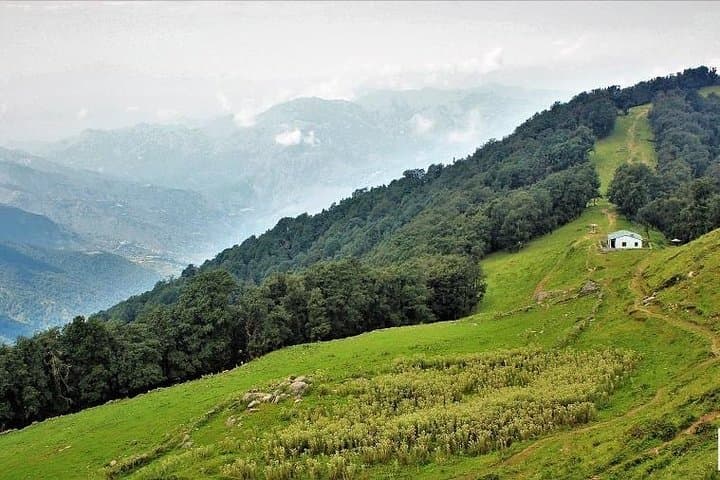
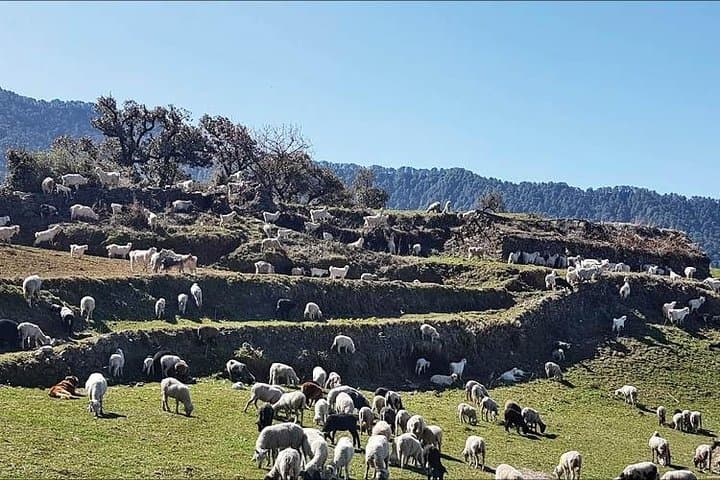
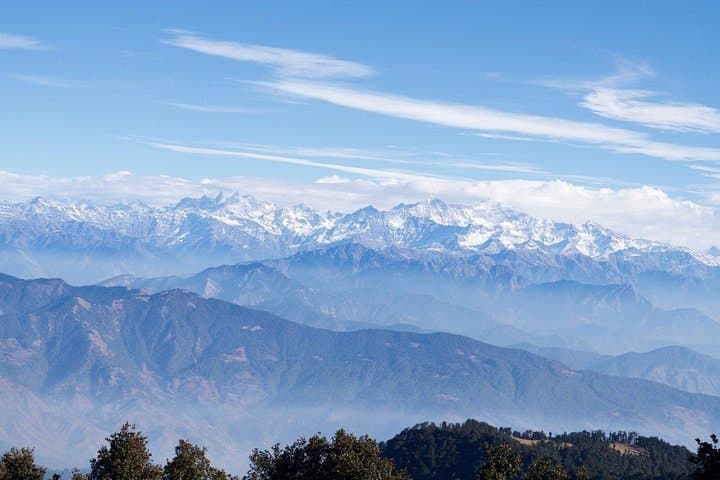
Nag Tibba (3,084 m) sits on the outermost Himalayan ridge — geologically younger folds of schist and quartzite that lift to sharp ridgelines and grassy summits. The peak’s Hindi name, “Serpent’s Peak,” reflects local folklore and the shepherding culture: Gujjar and local hamlets have grazed these meadows for generations. On a clear morning the skyline points to Swargarohini, Bandarpoonch and the faint blue bulk of Kedarnath and Gangotri peaks.
The route is classic two-day trekking: a drive from Dehradun to Pantwari, a moderate first-day climb to camp in a goat village, then a pre-dawn push to the summit and a descent. Terrain shifts from dirt tracks to loose scree and grassy ledges; expect steep sections and exposed ridgelines near the top.
Practical guide: plan for 5–7 hours of hiking on summit day with roughly 800–1,000 m of ascent from base camp, wear sturdy boots with good grip, and layer for cold winds at 3,000 m. Start early to avoid afternoon weather and bring water or a purifier; camps provide meals but carry snacks. Respect grazing areas, pack out waste, and allow extra time for weather or slower group paces—Nag Tibba rewards patient hikers with expansive, alpine views and a real taste of Himalayan high-camp life.
moderate.
2 days (10–12 hours total hiking).
Suitable for travelers with moderate fitness—regular hill-walking experience and the ability to carry a daypack for several hours.
It’s considered moderate: non-technical but involves sustained uphill sections and 800–1,000 m of elevation gain from base camp to summit.
No formal mountaineering permits are typically required for Nag Tibba; local entry fees or camping permissions are handled by guides/operators.
October–June avoids heavy monsoon rain; winters are cold with snow on the summit, while spring brings rhododendron blooms and clearer skies.
Yes—overnight camp in a goat hamlet is standard on two-day trips and usually includes meals as part of the package.
Nag Tibba has long been a summer grazing ground for Gujjar herders; the ridge also marks traditional routes between Dehradun and the higher Garhwal valleys.
Stick to established campsites and trails—overgrazing and litter strain the fragile alpine meadows, so pack out all waste and avoid open fires where prohibited.
Divine Uttarakhand || 91-6300256017 || operates guided outdoor trips and adventures with an emphasis on safety, stewardship, and memorable experiences.
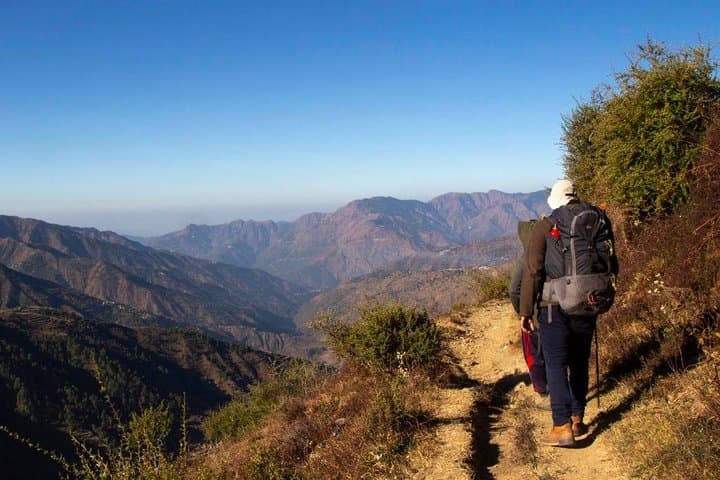
Dawn cracks over narrow lanes as a jeep pulls into Pantwari and the smell of wood smoke and chai drifts from the goat village. You strap on boots and set off across pasture, the trail climbing away through rhododendron scrub and terraced fields, each switchback revealing a wider slice of the Garhwal Himalaya.
Dawn cracks over narrow lanes as a jeep pulls into Pantwari and the smell of wood smoke and chai drifts from the goat village. You strap on boots and set off across pasture, the trail climbing away through rhododendron scrub and terraced fields, each switchback revealing a wider slice of the Garhwal Himalaya.
Nag Tibba (3,084 m) sits on the outermost Himalayan ridge — geologically younger folds of schist and quartzite that lift to sharp ridgelines and grassy summits. The peak’s Hindi name, “Serpent’s Peak,” reflects local folklore and the shepherding culture: Gujjar and local hamlets have grazed these meadows for generations. On a clear morning the skyline points to Swargarohini, Bandarpoonch and the faint blue bulk of Kedarnath and Gangotri peaks.
The route is classic two-day trekking: a drive from Dehradun to Pantwari, a moderate first-day climb to camp in a goat village, then a pre-dawn push to the summit and a descent. Terrain shifts from dirt tracks to loose scree and grassy ledges; expect steep sections and exposed ridgelines near the top.
Practical guide: plan for 5–7 hours of hiking on summit day with roughly 800–1,000 m of ascent from base camp, wear sturdy boots with good grip, and layer for cold winds at 3,000 m. Start early to avoid afternoon weather and bring water or a purifier; camps provide meals but carry snacks. Respect grazing areas, pack out waste, and allow extra time for weather or slower group paces—Nag Tibba rewards patient hikers with expansive, alpine views and a real taste of Himalayan high-camp life.