THE ADVENTURE COLLECTIVE® · Independent discovery and booking for outdoor travel

A compact Himalayan weekend: hike through oak and rhododendron to a ridge campsite, summit Nag Tibba at dawn, then return to Pantwari and Rishikesh. Ideal for first-time trekkers seeking big views with manageable miles.
A compact Himalayan weekend: hike through oak and rhododendron to a ridge campsite, summit Nag Tibba at dawn, then return to Pantwari and Rishikesh. Ideal for first-time trekkers seeking big views with manageable miles.
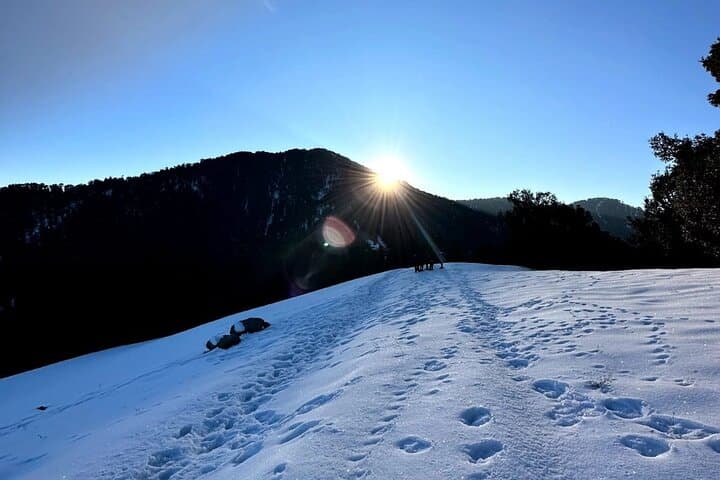
The first light over the Garhwal ridgeline paints the oak trunks silver as you leave Pantwari and climb through rhododendron corridors. Wind and cloud play along the crest; at the campsite the evening hush deepens while the western horizon ignites into a long, golden sunset that gives Nag Tibba its local fame.
Verified experiences and guided adventures in the surrounding area.
Operated by Rishikesh Day Tour · Pantwari, Uttarakhand
The first light over the Garhwal ridgeline paints the oak trunks silver as you leave Pantwari and climb through rhododendron corridors. Wind and cloud play along the crest; at the campsite the evening hush deepens while the western horizon ignites into a long, golden sunset that gives Nag Tibba its local fame.
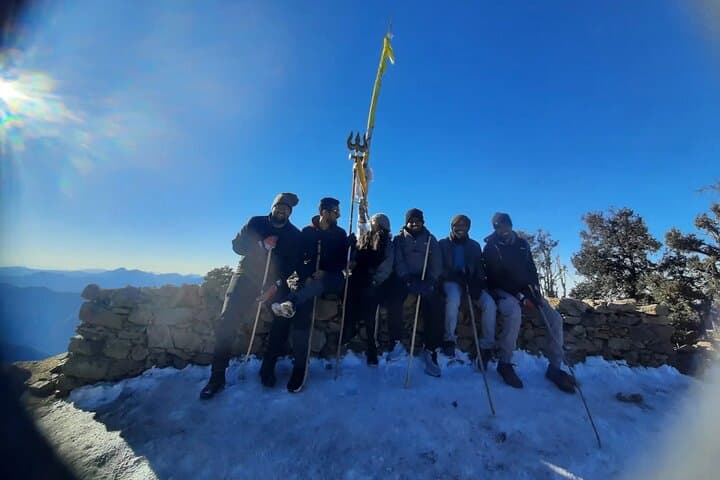
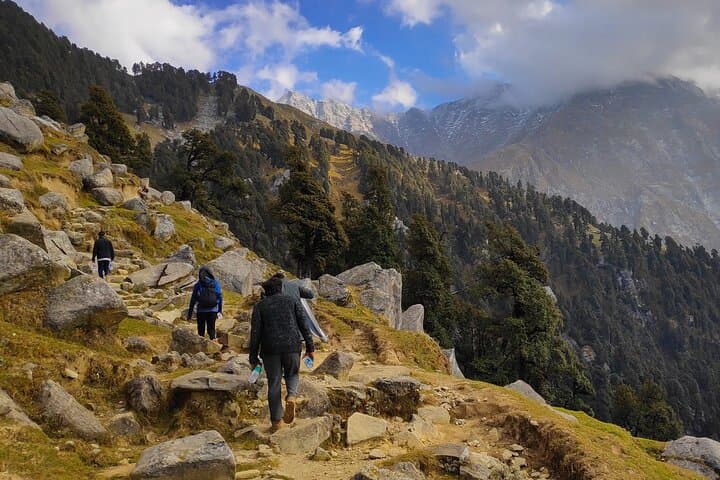
Nag Tibba (Serpent Peak) sits on a spur of the lesser Himalaya and has long been a local pilgrimage and grazing ground; a small temple near the summit honors Nag Devta. Geologically the route follows weathered schist and compact soil over gentle ridgelines—terrain that yields broad vistas rather than technical climbing. Culturally, the trek passes small Garhwali settlements where terraced fields and dry-stone walls mark a centuries-old mountain livelihood.
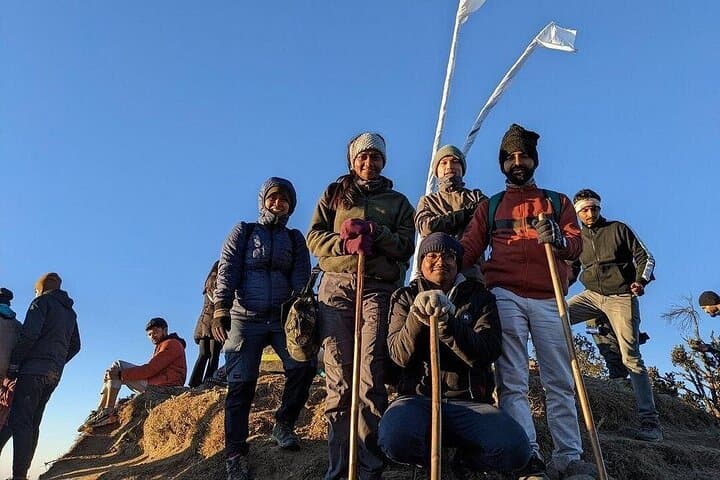
Expect a straightforward two-day loop: a 3–4 hour, 6 km walk to a forested base camp on day one, and an early pre-dawn 3-hour push to the 9,910 ft summit on day two, returning to Pantwari for the drive back. Nights at the dom-style campsite are cold and clear—bring layers and a good sleeping bag for stargazing.
Practical guidance: start early on day two to catch sunrise and avoid afternoon wind, pack 2–3 liters of water with an easy filtration option, and choose treaded boots for mixed dirt and rocky sections. If you have limited time but want a real Himalayan ridge experience with manageable mileage and big mountain views, this two-day trek delivers.
moderate.
2 days (approx. 6–8 hours trekking total).
Suitable for hikers with moderate fitness who can handle sustained uphill walking and short steep sections.
The route is beginner-friendly with non-technical trails, but it requires steady uphill walking and basic fitness; moderate conditioning beforehand helps.
There are no special permits for day trekking, but organized groups may need to register locally; check with your operator for any local permissions.
The standard package includes dom-style camping (double occupancy tents) with basic bedding—bring a warm sleeping bag rated for near-freezing nights for comfort.
September–November and March–May offer the clearest skies and most stable weather; avoid heavy monsoon months unless prepared for wet conditions.
Nag Tibba has long-standing local significance with a small temple dedicated to Nag Devta near the summit; the area has been used historically for grazing and seasonal village routes.
Stick to established trails and campsite fire rules to protect fragile alpine flora; avoid single-use plastics and pack out waste when possible.
Rishikesh Day Tour operates guided outdoor trips and adventures with an emphasis on safety, stewardship, and memorable experiences.
The first light over the Garhwal ridgeline paints the oak trunks silver as you leave Pantwari and climb through rhododendron corridors. Wind and cloud play along the crest; at the campsite the evening hush deepens while the western horizon ignites into a long, golden sunset that gives Nag Tibba its local fame.
The first light over the Garhwal ridgeline paints the oak trunks silver as you leave Pantwari and climb through rhododendron corridors. Wind and cloud play along the crest; at the campsite the evening hush deepens while the western horizon ignites into a long, golden sunset that gives Nag Tibba its local fame.
Nag Tibba (Serpent Peak) sits on a spur of the lesser Himalaya and has long been a local pilgrimage and grazing ground; a small temple near the summit honors Nag Devta. Geologically the route follows weathered schist and compact soil over gentle ridgelines—terrain that yields broad vistas rather than technical climbing. Culturally, the trek passes small Garhwali settlements where terraced fields and dry-stone walls mark a centuries-old mountain livelihood.
Expect a straightforward two-day loop: a 3–4 hour, 6 km walk to a forested base camp on day one, and an early pre-dawn 3-hour push to the 9,910 ft summit on day two, returning to Pantwari for the drive back. Nights at the dom-style campsite are cold and clear—bring layers and a good sleeping bag for stargazing.
Practical guidance: start early on day two to catch sunrise and avoid afternoon wind, pack 2–3 liters of water with an easy filtration option, and choose treaded boots for mixed dirt and rocky sections. If you have limited time but want a real Himalayan ridge experience with manageable mileage and big mountain views, this two-day trek delivers.