THE ADVENTURE COLLECTIVE® · Independent discovery and booking for outdoor travel

Spend a half-day around Nadi exploring the Sri Siva Subramaniya Temple, local markets, a traditional village, an orchid garden and the Sabeto hot springs and mud pools. This tour mixes cultural stops with time to relax in natural thermal waters—ideal for travelers who want context and calm in one outing.
Spend a half-day around Nadi exploring the Sri Siva Subramaniya Temple, local markets, a traditional village, an orchid garden and the Sabeto hot springs and mud pools. This tour mixes cultural stops with time to relax in natural thermal waters—ideal for travelers who want context and calm in one outing.
Morning light pours across the lowlands outside Nadi as the coach slides off the main road and up into the Sabeto Valley. Travelers step out into humid air scented with earth and orchids; steam rises from a distant patch of gray water where the hot springs and mud pools claim their camouflage of volcanic minerals.
Verified experiences and guided adventures in the surrounding area.
Operated by Travel Adventures Fiji · Nadi, Western Division
Morning light pours across the lowlands outside Nadi as the coach slides off the main road and up into the Sabeto Valley. Travelers step out into humid air scented with earth and orchids; steam rises from a distant patch of gray water where the hot springs and mud pools claim their camouflage of volcanic minerals.
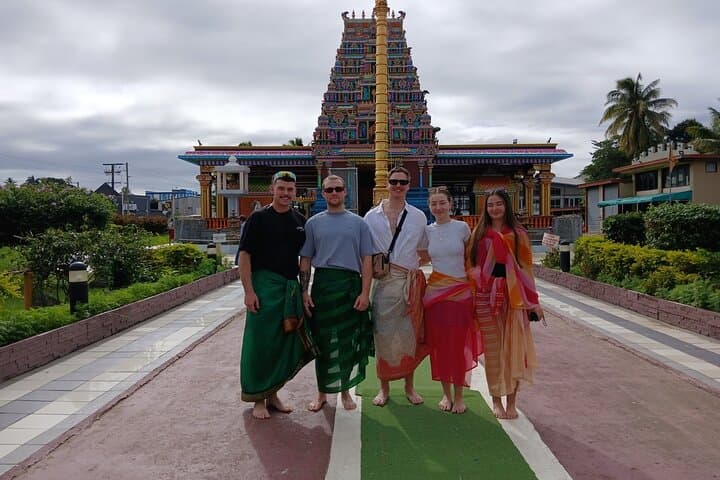
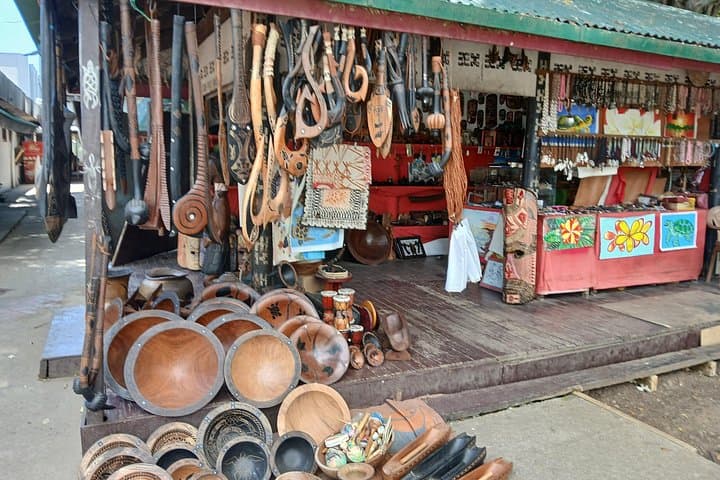
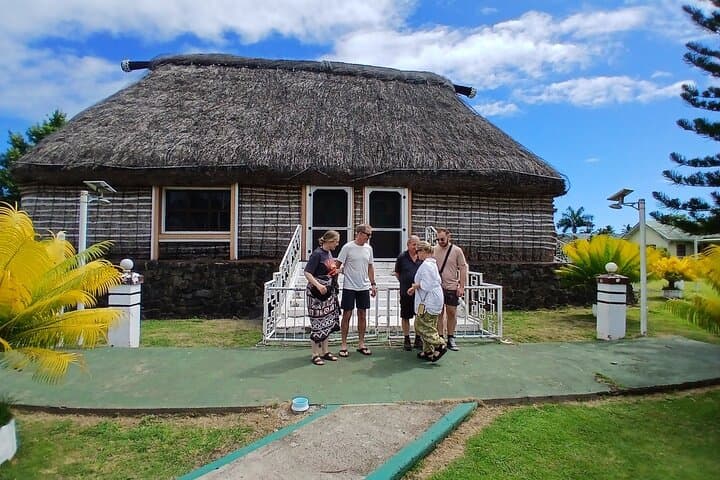
The itinerary threads culture and geology. The Sri Siva Subramaniya Temple, the largest Hindu temple in the Pacific, anchors Nadi’s spiritual history, while the nearby handicraft and Namaka produce markets show contemporary island life—loud, colorful, direct. Viseisei Village adds human depth: this is one of Fiji’s oldest settlements and a place to hear oral histories about first settlement and traditional customs.
Geologically, Sabeto’s warm waters come from shallow geothermal activity in the valley’s fractured rock; the mud pools are rich in minerals that locals and visitors have used for topical treatments for decades. The orchid garden offers a quieter tempo—saturated petals and shaded paths that contrast the hot springs’ raw heat.
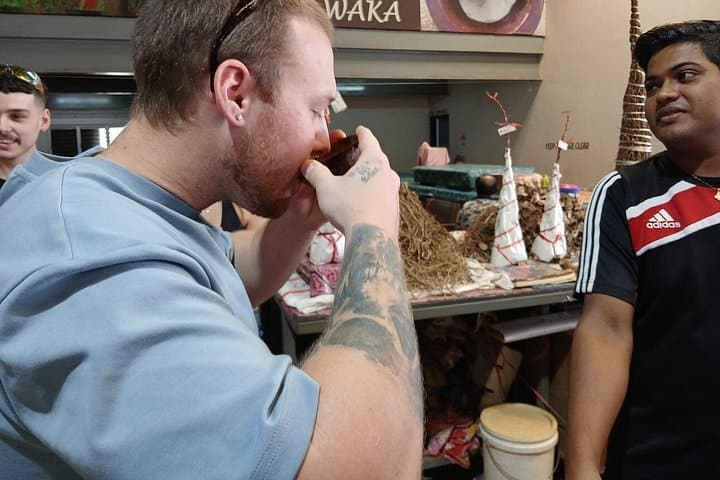
Practically, the tour is moderate in pace but easy on fitness: expect a half-day (5–6 hours) of short walks, market browsing, and time at the springs. Bring swimwear, a towel, cash for markets, and a sense of cultural etiquette—remove shoes at temple entrances and accept kava or a greeting with gratitude. Stay hydrated; mineral mud can dry skin, so rinse thoroughly after the bath.
This loop pairs a digestible dose of Fijian culture with a thermal experience that’s as social as it is restorative—good for visitors who want both context and relaxation in a single day.
easy.
5–6 hours.
Suitable for most fitness levels; requires short, gentle walks and standing while touring markets and gardens.
The tour runs about 5–6 hours, typically including hotel pickup and drop-off, market visits, the temple, village stop, orchid garden and time at the hot springs and mud pools.
Yes; the experience is family-friendly but children should be supervised near hot water and advised to avoid swallowing mud or water.
No special fitness or technical skills are required—participants should be able to walk short distances and stand for brief periods.
Photography is generally allowed at markets and gardens; at temples and in villages, be respectful—ask permission before photographing people or sacred spaces.
The Sri Siva Subramaniya Temple demonstrates the influence of Indian indentured labor and Hindu communities in Fiji; Viseisei Village is traditionally considered one of the earliest settlements on the islands.
Visitors are asked not to use soaps or shampoos in hot springs, to pack out any trash, and to support local guides and handicraft sellers to keep benefits in the community.
Travel Adventures Fiji operates guided outdoor trips and adventures with an emphasis on safety, stewardship, and memorable experiences.
Morning light pours across the lowlands outside Nadi as the coach slides off the main road and up into the Sabeto Valley. Travelers step out into humid air scented with earth and orchids; steam rises from a distant patch of gray water where the hot springs and mud pools claim their camouflage of volcanic minerals.
Morning light pours across the lowlands outside Nadi as the coach slides off the main road and up into the Sabeto Valley. Travelers step out into humid air scented with earth and orchids; steam rises from a distant patch of gray water where the hot springs and mud pools claim their camouflage of volcanic minerals.
The itinerary threads culture and geology. The Sri Siva Subramaniya Temple, the largest Hindu temple in the Pacific, anchors Nadi’s spiritual history, while the nearby handicraft and Namaka produce markets show contemporary island life—loud, colorful, direct. Viseisei Village adds human depth: this is one of Fiji’s oldest settlements and a place to hear oral histories about first settlement and traditional customs.
Geologically, Sabeto’s warm waters come from shallow geothermal activity in the valley’s fractured rock; the mud pools are rich in minerals that locals and visitors have used for topical treatments for decades. The orchid garden offers a quieter tempo—saturated petals and shaded paths that contrast the hot springs’ raw heat.
Practically, the tour is moderate in pace but easy on fitness: expect a half-day (5–6 hours) of short walks, market browsing, and time at the springs. Bring swimwear, a towel, cash for markets, and a sense of cultural etiquette—remove shoes at temple entrances and accept kava or a greeting with gratitude. Stay hydrated; mineral mud can dry skin, so rinse thoroughly after the bath.
This loop pairs a digestible dose of Fijian culture with a thermal experience that’s as social as it is restorative—good for visitors who want both context and relaxation in a single day.