THE ADVENTURE COLLECTIVE® · Independent discovery and booking for outdoor travel

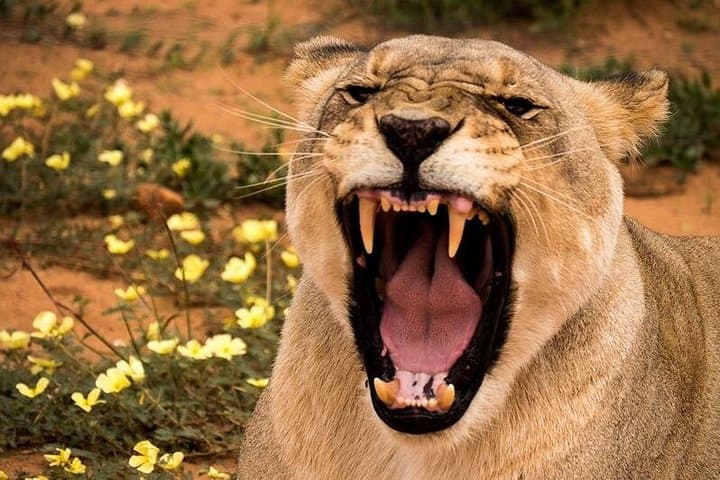
Drive out of Windhoek for a guided Carnivore Feeding Tour at N/a’an ku sê, where lions, cheetahs and wild dogs are viewed with conservation-first interpretation. This 5-hour wildlife drive combines feeding demonstrations with behind-the-scenes insights into rescue and rehabilitation.
Drive out of Windhoek for a guided Carnivore Feeding Tour at N/a’an ku sê, where lions, cheetahs and wild dogs are viewed with conservation-first interpretation. This 5-hour wildlife drive combines feeding demonstrations with behind-the-scenes insights into rescue and rehabilitation.
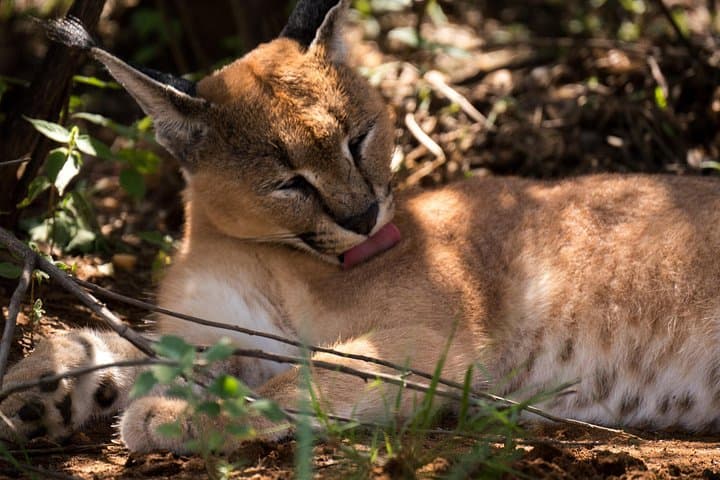
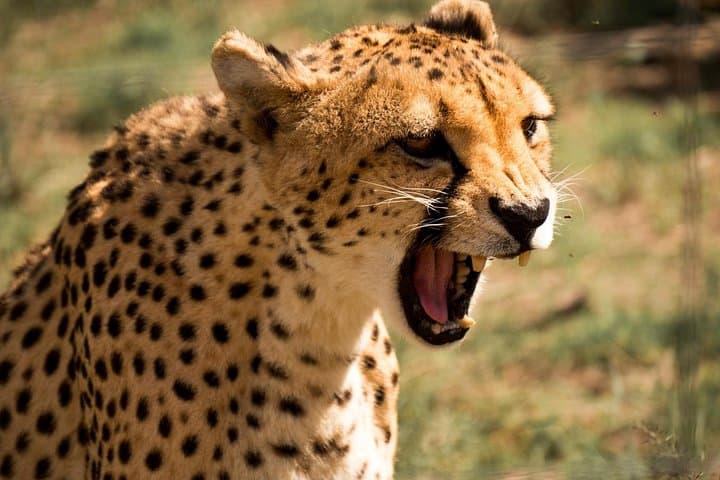
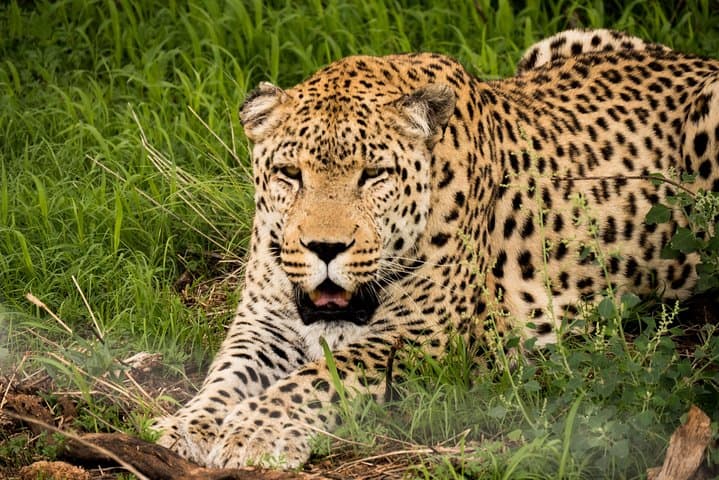
By first light the gravel road out of Windhoek unspools and the reserve opens like a map of dry riverbeds and thornveld. Dust lifts beneath an air-conditioned vehicle while guides point to movement—a troop of baboons breaking into the shade, a cheetah reclining on a koppie, the low silhouette of a lion in the long grass. The Carnivore Feeding Tour at N/a’an ku sê places you close enough to hear the animals’ responses and far enough to keep the story in balance.
Verified experiences and guided adventures in the surrounding area.
Operated by Chameleon Safaris · Windhoek, Khomas
By first light the gravel road out of Windhoek unspools and the reserve opens like a map of dry riverbeds and thornveld. Dust lifts beneath an air-conditioned vehicle while guides point to movement—a troop of baboons breaking into the shade, a cheetah reclining on a koppie, the low silhouette of a lion in the long grass. The Carnivore Feeding Tour at N/a’an ku sê places you close enough to hear the animals’ responses and far enough to keep the story in balance.
N/a’an ku sê began as a rescue and rehabilitation effort and has grown into a conservation sanctuary that documents Namibia’s wildlife challenges. The landscape is part of the Khomas highveld: gently rolling savanna, granite outcrops and dry river courses that sculpt sightlines and hide game until you round a bend. Local culture and conservation meet here—staff share stories of rescue work, anti-poaching efforts, and the sanctuary’s role in regional education.
Expect a guided 5-hour drive with scheduled feeding demonstrations for big cats and African wild dogs, interpretive stops, and plenty of observational time. Bottled water and transport are included; groups are small and managers emphasize safety and animal welfare.
Practical tips: bring a telephoto or binoculars, sun protection, and layered clothing for cool mornings. Follow the guide’s distance rules, keep voices low when animals are feeding, and budget time in Windhoek for arrival and departure. This tour is as much about learning conservation context as it is about seeing predators up close.
easy.
5 hours.
Suitable for most fitness levels; most time is spent seated in a vehicle with short, optional walking at stops.
The experience runs approximately 5 hours, including transport, feeding demonstrations, and interpretive stops.
No—wildlife are wild and sightings depend on animal behavior and season; feeding demonstrations are scheduled but subject to animal welfare considerations.
The tour is described as suitable for all physical levels; most of the time is in a vehicle, but check pickup logistics and inform the operator about mobility needs when booking.
Bring sun protection, a hat, binoculars or a camera with zoom, comfortable shoes for short walks, and a light jacket for cool mornings.
N/a’an ku sê started as a wildlife rescue and rehabilitation initiative and has expanded into a sanctuary and education center focused on carnivore conservation.
The foundation prioritizes rescue, rehabilitation and public education; visitors are asked to follow guidelines that minimize disturbance and support ongoing care.
Chameleon Safaris operates guided outdoor trips and adventures with an emphasis on safety, stewardship, and memorable experiences.
By first light the gravel road out of Windhoek unspools and the reserve opens like a map of dry riverbeds and thornveld. Dust lifts beneath an air-conditioned vehicle while guides point to movement—a troop of baboons breaking into the shade, a cheetah reclining on a koppie, the low silhouette of a lion in the long grass. The Carnivore Feeding Tour at N/a’an ku sê places you close enough to hear the animals’ responses and far enough to keep the story in balance.
By first light the gravel road out of Windhoek unspools and the reserve opens like a map of dry riverbeds and thornveld. Dust lifts beneath an air-conditioned vehicle while guides point to movement—a troop of baboons breaking into the shade, a cheetah reclining on a koppie, the low silhouette of a lion in the long grass. The Carnivore Feeding Tour at N/a’an ku sê places you close enough to hear the animals’ responses and far enough to keep the story in balance.
N/a’an ku sê began as a rescue and rehabilitation effort and has grown into a conservation sanctuary that documents Namibia’s wildlife challenges. The landscape is part of the Khomas highveld: gently rolling savanna, granite outcrops and dry river courses that sculpt sightlines and hide game until you round a bend. Local culture and conservation meet here—staff share stories of rescue work, anti-poaching efforts, and the sanctuary’s role in regional education.
Expect a guided 5-hour drive with scheduled feeding demonstrations for big cats and African wild dogs, interpretive stops, and plenty of observational time. Bottled water and transport are included; groups are small and managers emphasize safety and animal welfare.
Practical tips: bring a telephoto or binoculars, sun protection, and layered clothing for cool mornings. Follow the guide’s distance rules, keep voices low when animals are feeding, and budget time in Windhoek for arrival and departure. This tour is as much about learning conservation context as it is about seeing predators up close.