THE ADVENTURE COLLECTIVE® · Independent discovery and booking for outdoor travel

Leave Seoul’s rush behind for a full day of tea meditation, traditional mugwort steam therapy, hands-on village cooking and contemplative museum time. This lightweight, guided retreat pairs cultural insight with gentle, restorative practices suitable for most travelers.
Leave Seoul’s rush behind for a full day of tea meditation, traditional mugwort steam therapy, hands-on village cooking and contemplative museum time. This lightweight, guided retreat pairs cultural insight with gentle, restorative practices suitable for most travelers.
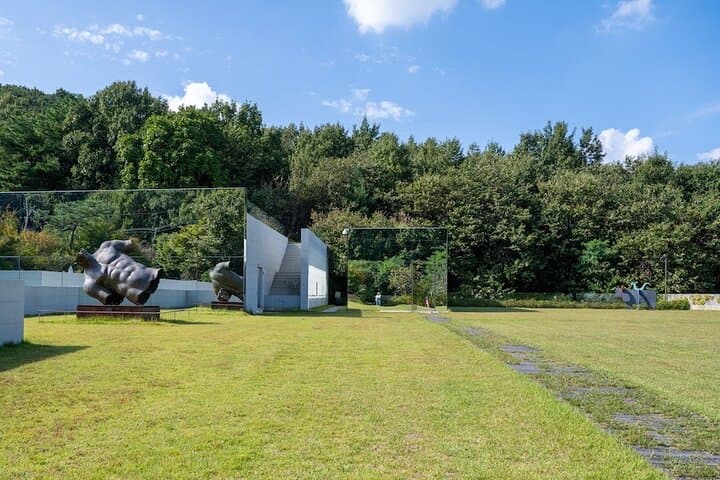
Morning light spills over low hills as the tour bus eases away from Seoul, and for the next nine to ten hours the city’s hurry is replaced by slow practices: tea meditation, craft-making, village cooking and a traditional mugwort steam. The day begins at Haeden Museum, where architecture holds the slope and exhibitions reflect a restrained relationship with the surrounding scrub and pines; from there you move into Bulun village to learn how to pull sweet potato sujebi and taste the grain-and-vegetable flavors of rural cooking.
Verified experiences and guided adventures in the surrounding area.
Operated by Plus Planner · Seoul, Seoul
Morning light spills over low hills as the tour bus eases away from Seoul, and for the next nine to ten hours the city’s hurry is replaced by slow practices: tea meditation, craft-making, village cooking and a traditional mugwort steam. The day begins at Haeden Museum, where architecture holds the slope and exhibitions reflect a restrained relationship with the surrounding scrub and pines; from there you move into Bulun village to learn how to pull sweet potato sujebi and taste the grain-and-vegetable flavors of rural cooking.
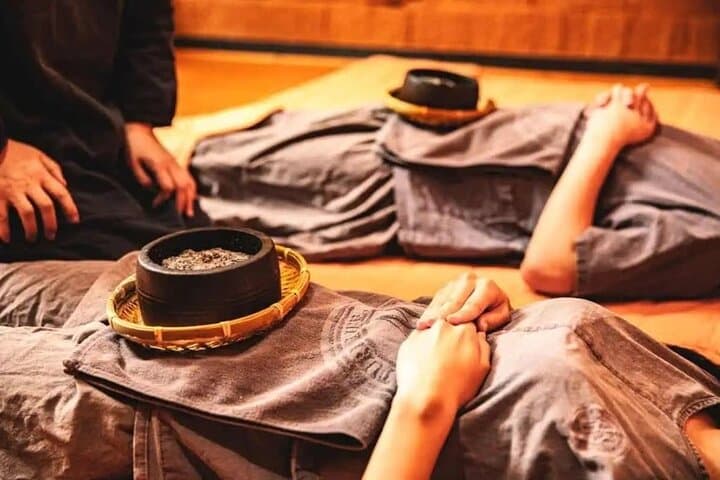
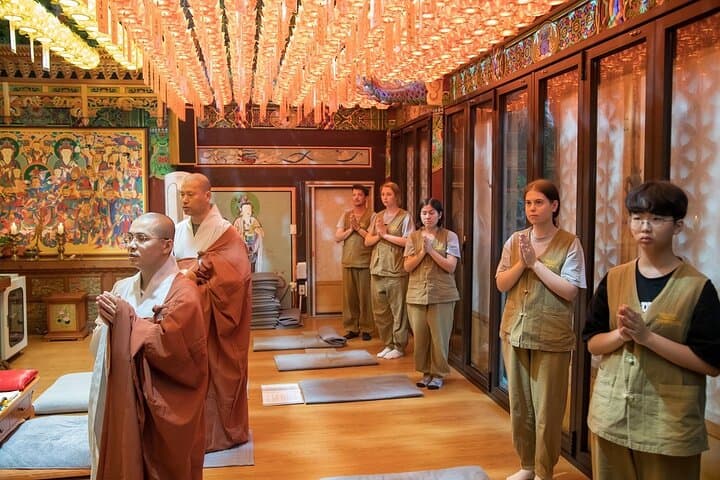
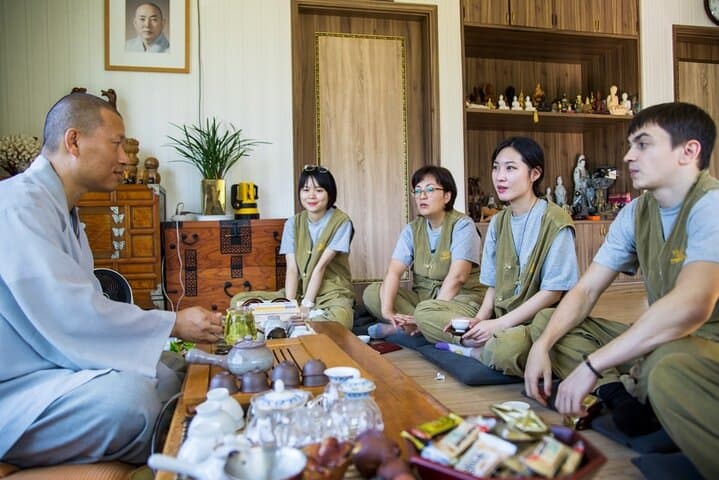
History and culture thread through each stop. Yeondeung International Seon Center brings contemporary, international temple practice to a long Korean Zen lineage; the tea ceremony there follows a ritual simplicity that has shaped local meditation for centuries. Mugwort (ssuk) has roots in Korean herbal medicine—Yakseokwon’s onggi steam chair applies that folk knowledge directly to the body. Geologically, the region’s gentle hills were shaped by volcanic and fluvial action, producing the shallow valleys where agricultural villages persist.
Practical guidance: expect about 9.5 hours on a shared coach with an English-speaking assistant, modest walking on village paths and museum grounds, and seated meditation—no advanced fitness required. Dress in layers and bring a water bottle; modest clothing is requested for temple spaces and footwear should be easy to remove. Declare dietary restrictions at booking—meals are plant-based and locally prepared. The experience is best taken as a deliberate day of quiet restoration: move slowly, keep your phone on low, and allow the steam and tea to mark the shift from urban pace to attentive rest.
easy.
9–10 hours.
Suitable for most fitness levels; requires light walking and several periods of sitting meditation.
The tour runs about 9.5 hours and includes round-trip bus transport from Seoul, an English-speaking assistant, tea meditation, Haeden Museum visit, village cooking, and mugwort steam therapy.
Yes—Yeondeung International Seon Center accommodates newcomers with guided, accessible practices and clear instructions.
Yes—meals are plant-based but you should list allergies or strict preferences at booking so the kitchen can prepare alternatives.
Full refunds are available if you cancel at least 24 hours before the scheduled departure; check your booking confirmation for specifics.
The region combines long-standing Zen temple practice with agricultural village life; mugwort steam therapy draws on centuries of Korean herbal medicine tradition.
The program emphasizes low-impact visits—stick to paths, minimize waste, and support local producers to keep village economies sustainable.
Plus Planner operates guided outdoor trips and adventures with an emphasis on safety, stewardship, and memorable experiences.
Morning light spills over low hills as the tour bus eases away from Seoul, and for the next nine to ten hours the city’s hurry is replaced by slow practices: tea meditation, craft-making, village cooking and a traditional mugwort steam. The day begins at Haeden Museum, where architecture holds the slope and exhibitions reflect a restrained relationship with the surrounding scrub and pines; from there you move into Bulun village to learn how to pull sweet potato sujebi and taste the grain-and-vegetable flavors of rural cooking.
Morning light spills over low hills as the tour bus eases away from Seoul, and for the next nine to ten hours the city’s hurry is replaced by slow practices: tea meditation, craft-making, village cooking and a traditional mugwort steam. The day begins at Haeden Museum, where architecture holds the slope and exhibitions reflect a restrained relationship with the surrounding scrub and pines; from there you move into Bulun village to learn how to pull sweet potato sujebi and taste the grain-and-vegetable flavors of rural cooking.
History and culture thread through each stop. Yeondeung International Seon Center brings contemporary, international temple practice to a long Korean Zen lineage; the tea ceremony there follows a ritual simplicity that has shaped local meditation for centuries. Mugwort (ssuk) has roots in Korean herbal medicine—Yakseokwon’s onggi steam chair applies that folk knowledge directly to the body. Geologically, the region’s gentle hills were shaped by volcanic and fluvial action, producing the shallow valleys where agricultural villages persist.
Practical guidance: expect about 9.5 hours on a shared coach with an English-speaking assistant, modest walking on village paths and museum grounds, and seated meditation—no advanced fitness required. Dress in layers and bring a water bottle; modest clothing is requested for temple spaces and footwear should be easy to remove. Declare dietary restrictions at booking—meals are plant-based and locally prepared. The experience is best taken as a deliberate day of quiet restoration: move slowly, keep your phone on low, and allow the steam and tea to mark the shift from urban pace to attentive rest.