THE ADVENTURE COLLECTIVE® · Independent discovery and booking for outdoor travel

A full-day cultural route from Bengaluru to Mysuru and Srirangapatna that stitches royal palaces, a teak summer retreat, and a Hoysala temple into one practical, information-rich outing. Expect history, carved stone, and a bustling market experience.
A full-day cultural route from Bengaluru to Mysuru and Srirangapatna that stitches royal palaces, a teak summer retreat, and a Hoysala temple into one practical, information-rich outing. Expect history, carved stone, and a bustling market experience.
You step off the air-conditioned van into a sunlit courtyard where carved stone eyes watch visitors and a throne room still holds the hush of ceremony. The day unfolds quickly: Mysore Palace's gilded columns and stained glass; the teak panels and frescoes of Tipu Sultan's Summer Palace at Srirangapatna; the tight, geometric stonework of the Chennakesava Temple at Somnathpur; and the bustle of Devaraja Market where flowers and spice aromas press forward.
Verified experiences and guided adventures in the surrounding area.
Operated by Coral Explore Tours & Travels · Mysuru, Karnataka
You step off the air-conditioned van into a sunlit courtyard where carved stone eyes watch visitors and a throne room still holds the hush of ceremony. The day unfolds quickly: Mysore Palace's gilded columns and stained glass; the teak panels and frescoes of Tipu Sultan's Summer Palace at Srirangapatna; the tight, geometric stonework of the Chennakesava Temple at Somnathpur; and the bustle of Devaraja Market where flowers and spice aromas press forward.
This corridor of southern Karnataka traces eras — the Wodeyar dynasty's late 19th-century Indo-Saracenic pomp, Tipu Sultan's 18th-century legacy, and the 13th-century Hoysala sculptors who cut narrative friezes into soapstone. Geology here is quiet but present: the Kaveri river basin carved the plain that supported kingdoms and temple towns, and local soapstone allowed the fine chiseling at Somnathpur.
Daily life threads into the tour: stay aware of market hours, modest dress at temples, and the rhythm of midday heat that slows activity. The sequence of stops is practical — short walks, guided interiors, and a market window for lunch on banana leaf — so plan for standing, climbing a few steps, and sharp sunlight.
Practical tips: reserve morning departures to avoid peak heat, carry local currency for small purchases and temple donations, wear closed shoes for cobbled temple grounds, and allow up to 12 hours for pickup, transit, and site time. For photographers, golden-hour light on the palace facades is worth timing your return to the city.
easy.
10–12 hours.
Light fitness: comfortable standing and short walks, plus a few flights of stairs; suitable for most travelers.
The private day tour runs about 10–12 hours; typical departures are early morning from Bengaluru with return the same evening.
This tour includes entrance fees and lunch as stated, but bring small cash for market purchases and optional donations.
The itinerary is described as wheelchair and stroller accessible for main transport and some areas, but some temple platforms have steps—check specific site access with the operator in advance.
The palace illumination happens on Sundays and during Dasara; regular daytime palace visits do not include the evening light display, so plan accordingly.
Mysuru's modern palace dates to 1897–1912 under the Wodeyar dynasty; nearby Srirangapatna was Tipu Sultan’s stronghold in the late 18th century and the Hoysala Chennakesava temple dates to the 13th century.
Sites like Somnathpur are conserved under archaeological programs—visitors should avoid touching carvings and follow pathways; Devaraja Market supports many local producers, so buying local reduces longer supply chains.
Coral Explore Tours & Travels operates guided outdoor trips and adventures with an emphasis on safety, stewardship, and memorable experiences.
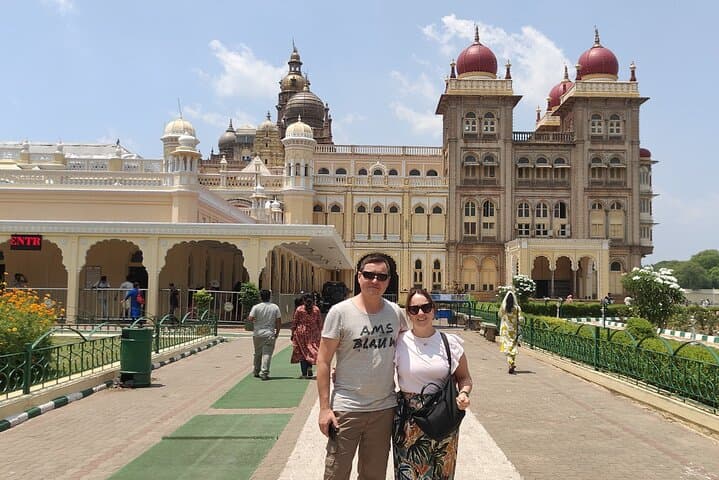
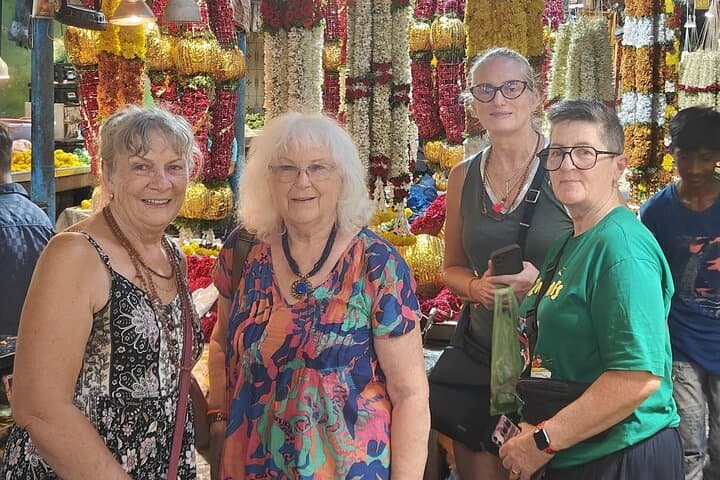
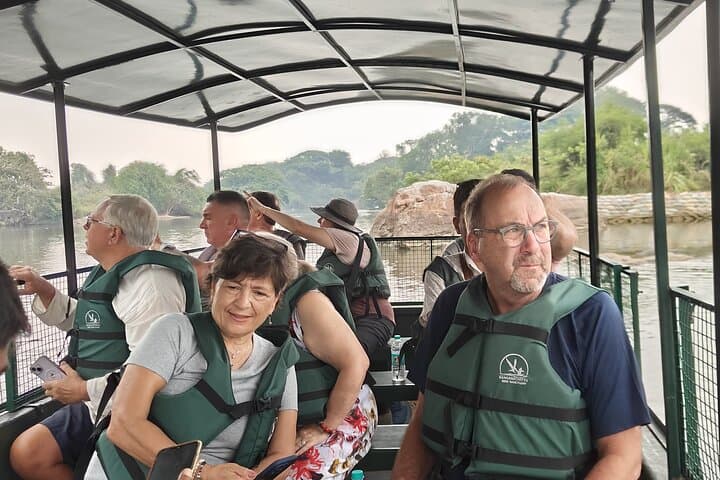
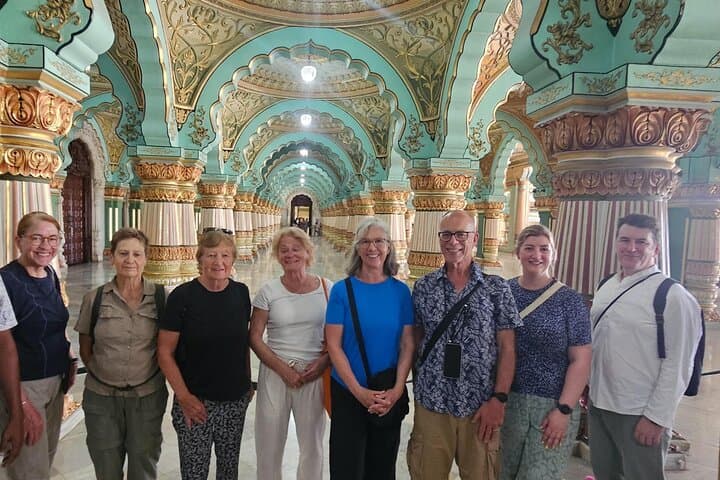
You step off the air-conditioned van into a sunlit courtyard where carved stone eyes watch visitors and a throne room still holds the hush of ceremony. The day unfolds quickly: Mysore Palace's gilded columns and stained glass; the teak panels and frescoes of Tipu Sultan's Summer Palace at Srirangapatna; the tight, geometric stonework of the Chennakesava Temple at Somnathpur; and the bustle of Devaraja Market where flowers and spice aromas press forward.
You step off the air-conditioned van into a sunlit courtyard where carved stone eyes watch visitors and a throne room still holds the hush of ceremony. The day unfolds quickly: Mysore Palace's gilded columns and stained glass; the teak panels and frescoes of Tipu Sultan's Summer Palace at Srirangapatna; the tight, geometric stonework of the Chennakesava Temple at Somnathpur; and the bustle of Devaraja Market where flowers and spice aromas press forward.
This corridor of southern Karnataka traces eras — the Wodeyar dynasty's late 19th-century Indo-Saracenic pomp, Tipu Sultan's 18th-century legacy, and the 13th-century Hoysala sculptors who cut narrative friezes into soapstone. Geology here is quiet but present: the Kaveri river basin carved the plain that supported kingdoms and temple towns, and local soapstone allowed the fine chiseling at Somnathpur.
Daily life threads into the tour: stay aware of market hours, modest dress at temples, and the rhythm of midday heat that slows activity. The sequence of stops is practical — short walks, guided interiors, and a market window for lunch on banana leaf — so plan for standing, climbing a few steps, and sharp sunlight.
Practical tips: reserve morning departures to avoid peak heat, carry local currency for small purchases and temple donations, wear closed shoes for cobbled temple grounds, and allow up to 12 hours for pickup, transit, and site time. For photographers, golden-hour light on the palace facades is worth timing your return to the city.