THE ADVENTURE COLLECTIVE® · Independent discovery and booking for outdoor travel

Four days along the Ha Giang loop take you over dramatic passes, into karst plateaus and small ethnic villages. Expect motorbike days, short treks, a river boat, and homestays—big views rewarded by simple comforts.
Four days along the Ha Giang loop take you over dramatic passes, into karst plateaus and small ethnic villages. Expect motorbike days, short treks, a river boat, and homestays—big views rewarded by simple comforts.
Night on the sleeper bus, a ribbon of highway unwinding toward a highland that breathes fog and limestone. By dawn the mountains reveal themselves in layers — steep terraces, cone-shaped karst rising like islands, the Nho Que River daring you with its narrow gorge. Riders regroup at Bac Sum Pass; the wind pushes you toward Quan Ba Heaven Gate where twin peaks stand like an ancient pair keeping watch.
Verified experiences and guided adventures in the surrounding area.
Operated by Iztrip · Ha Giang City, Ha Giang Province
Night on the sleeper bus, a ribbon of highway unwinding toward a highland that breathes fog and limestone. By dawn the mountains reveal themselves in layers — steep terraces, cone-shaped karst rising like islands, the Nho Que River daring you with its narrow gorge. Riders regroup at Bac Sum Pass; the wind pushes you toward Quan Ba Heaven Gate where twin peaks stand like an ancient pair keeping watch.
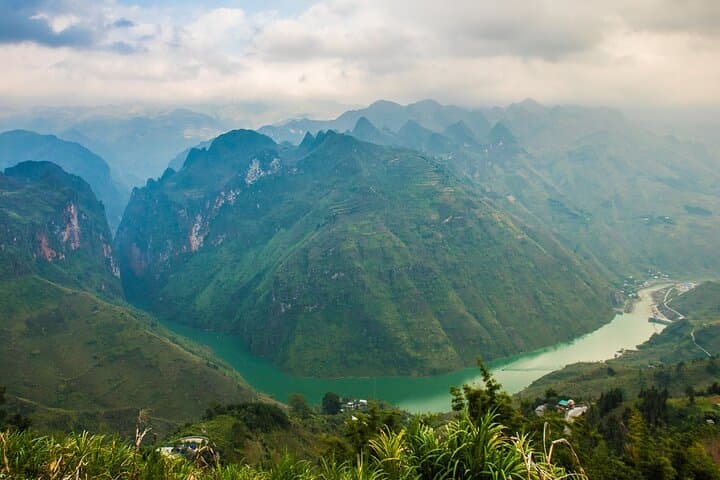
This route threads through the Dong Van Karst Plateau, a geological page written in 400-million-year-old limestone. The Vuong royal palace in Sa Phin speaks to the region’s 20th-century local power, while remote Dao, Hmong and Tay villages preserve stitchwork, ritual and terrace agriculture. Ma Pi Leng Pass delivers the high point: a sky path that looks down into the deep cut of the Nho Que, where the river carves the canyon and seems to pull the valley together.
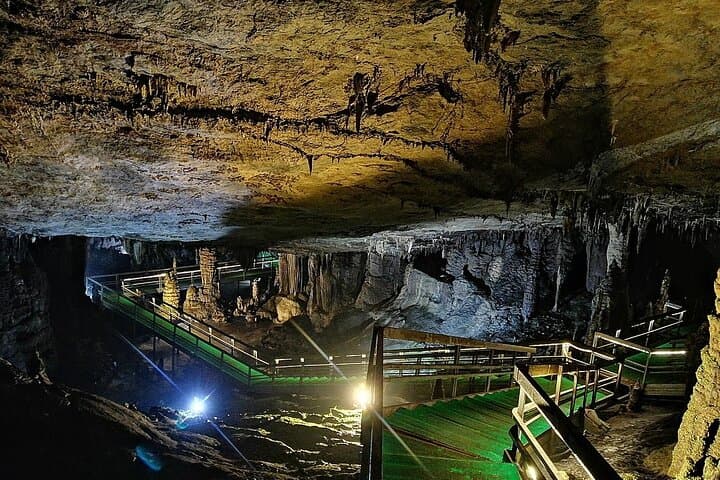
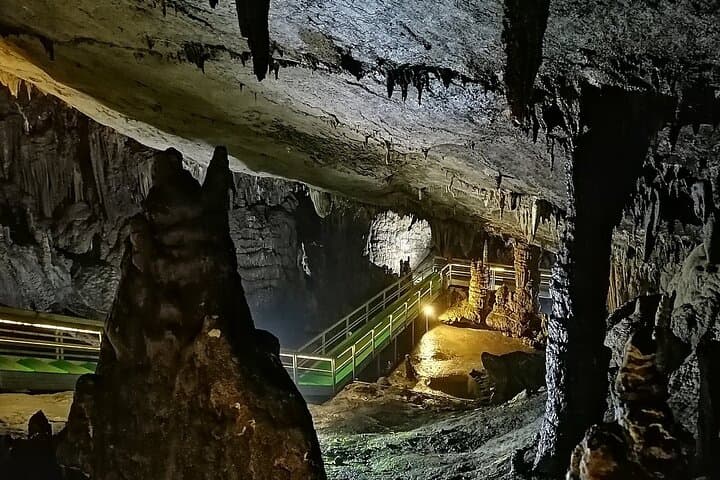
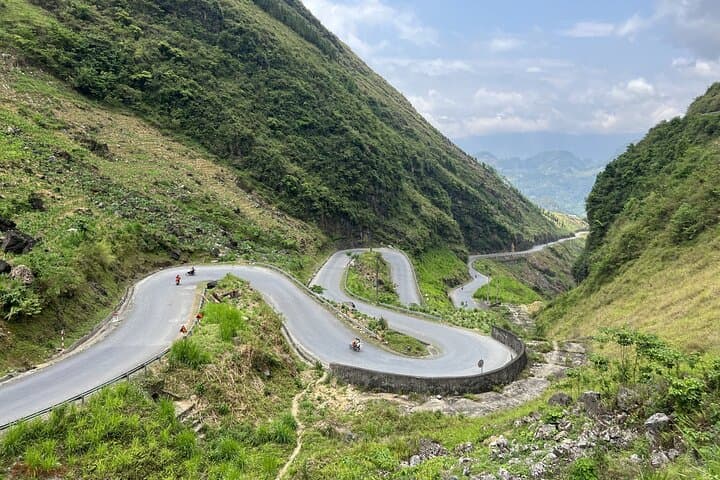
Expect a mix of slow-paced village walks and motorbike travel on narrow, sometimes zigzagging passes; one 2km trek to Lung Khuy Cave and a boat ride through Tu San canyon are included. Accommodations are homestays and simple guesthouses; meals are local and hearty. Weather changes fast — mornings can be sharp, afternoons warm, and rain common in summer.
Practical edge: bring layered clothing, sturdy shoes for short hikes, cash for village purchases, and tolerance for basic facilities. If you’re comfortable as a motorbike passenger and can handle intermittent dirt roads and steep switchbacks, this four-day loop rewards with raw highland panoramas and meaningful cultural encounters.
moderate.
4 days.
Suitable for travelers in reasonable health who can handle several hours on a motorbike, short 1–3 km hikes, and uneven trails.
No—most travelers ride as passengers on 110cc semi-automatic bikes with an experienced easy rider; if you plan to ride solo, be comfortable on narrow, steep mountain roads.
Simple homestays and modest guesthouses with basic amenities; some places have shared facilities and limited hot water.
Operators monitor river conditions—trips run in normal conditions but may be canceled during high water or severe weather for safety.
Late spring and autumn offer the most stable weather and clear views; summer is lush but wetter, winter is cold with limited daylight.
Ha Giang sits on ancient karst formed over hundreds of millions of years; in the 20th century local chieftains like the Vuong family consolidated wealth and influence in the Dong Van valley.
The Dong Van Karst Plateau is a UNESCO Global Geopark with active efforts to balance tourism and traditional livelihoods; stick to trails, avoid single-use plastics and follow homestay guidance.
Iztrip operates guided outdoor trips and adventures with an emphasis on safety, stewardship, and memorable experiences.
Night on the sleeper bus, a ribbon of highway unwinding toward a highland that breathes fog and limestone. By dawn the mountains reveal themselves in layers — steep terraces, cone-shaped karst rising like islands, the Nho Que River daring you with its narrow gorge. Riders regroup at Bac Sum Pass; the wind pushes you toward Quan Ba Heaven Gate where twin peaks stand like an ancient pair keeping watch.
Night on the sleeper bus, a ribbon of highway unwinding toward a highland that breathes fog and limestone. By dawn the mountains reveal themselves in layers — steep terraces, cone-shaped karst rising like islands, the Nho Que River daring you with its narrow gorge. Riders regroup at Bac Sum Pass; the wind pushes you toward Quan Ba Heaven Gate where twin peaks stand like an ancient pair keeping watch.
This route threads through the Dong Van Karst Plateau, a geological page written in 400-million-year-old limestone. The Vuong royal palace in Sa Phin speaks to the region’s 20th-century local power, while remote Dao, Hmong and Tay villages preserve stitchwork, ritual and terrace agriculture. Ma Pi Leng Pass delivers the high point: a sky path that looks down into the deep cut of the Nho Que, where the river carves the canyon and seems to pull the valley together.
Expect a mix of slow-paced village walks and motorbike travel on narrow, sometimes zigzagging passes; one 2km trek to Lung Khuy Cave and a boat ride through Tu San canyon are included. Accommodations are homestays and simple guesthouses; meals are local and hearty. Weather changes fast — mornings can be sharp, afternoons warm, and rain common in summer.
Practical edge: bring layered clothing, sturdy shoes for short hikes, cash for village purchases, and tolerance for basic facilities. If you’re comfortable as a motorbike passenger and can handle intermittent dirt roads and steep switchbacks, this four-day loop rewards with raw highland panoramas and meaningful cultural encounters.