THE ADVENTURE COLLECTIVE® · Independent discovery and booking for outdoor travel

Step through the iron gate at Whitehall Burial Ground for a 105-minute evening walk that blends colonial history and local ghost stories. Guides illuminate Revolutionary-era links, unique gravestone art, and a final spooky surprise.
Step through the iron gate at Whitehall Burial Ground for a 105-minute evening walk that blends colonial history and local ghost stories. Guides illuminate Revolutionary-era links, unique gravestone art, and a final spooky surprise.
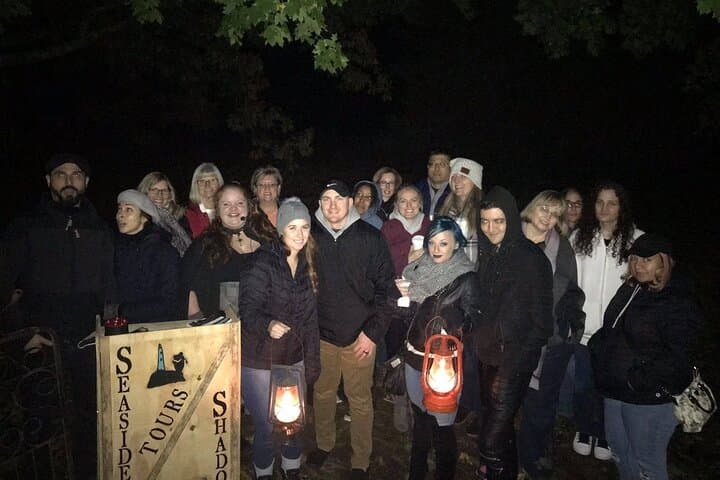
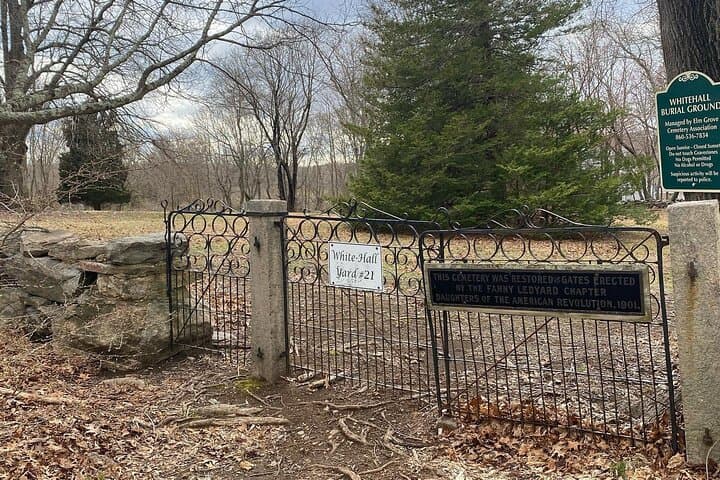
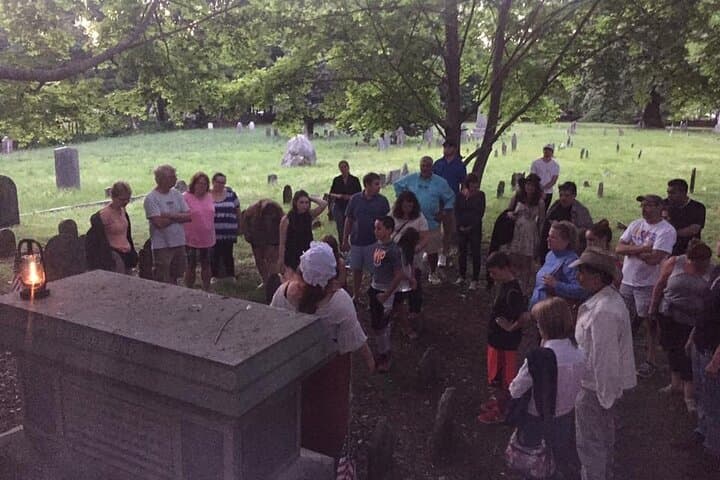
A low moon slides between bare branches as the guide opens the iron gate at Whitehall Burial Ground. The air smells of cold grass and salt from nearby Mystic River; lantern light picks out slate headstones and carved hands reaching from the 1600s to the 1800s. You move in a small circle — listening for colonial tales, wartime losses and the hushed footsteps other visitors swear they’ve heard.
Verified experiences and guided adventures in the surrounding area.
Operated by Seaside Shadows Haunted History Tours · Stonington, Connecticut
A low moon slides between bare branches as the guide opens the iron gate at Whitehall Burial Ground. The air smells of cold grass and salt from nearby Mystic River; lantern light picks out slate headstones and carved hands reaching from the 1600s to the 1800s. You move in a small circle — listening for colonial tales, wartime losses and the hushed footsteps other visitors swear they’ve heard.
Whitehall Burial Ground dates to the 1660s and reflects New England’s colonial arc: epidemics, Revolutionary-era losses, and the 19th‑century shift toward landscaped cemeteries. The stones tell layered stories — from privateers and abolitionists to Indigenous and Black residents whose markers and records are a quieter history. Geology here is simple glacial till under turf; the ground is uneven and you’ll cross compacted dirt paths and grass-cut lanes.
The tour blends local lore with historical context and tips on ghost photography; expect stops focused on named families, wartime figures and a final “spooky surprise.” Guides are storytellers and interpreters — they point out unique gravestone iconography and the cultural currents that produced these burial practices.
Practical guidance: wear sturdy shoes, bring a light and an extra layer for coastal wind. Tours run evenings and last about 105 minutes; they operate in most weather but check with the operator if conditions are extreme. Stay on designated paths, respect memorials and arrive 10–15 minutes early to find parking behind the Hampton Inn. This is a walking history experience — equal parts local biography and after-dark atmosphere.
easy.
1.5–2 hours.
Suitable for most fitness levels; involves 0.5–1 mile of slow walking on uneven ground and short standing periods
Yes; content includes historical stories and ghost lore — parental discretion advised for very young or easily frightened children.
Yes, but avoid bright flash near old stones to preserve inscriptions and be respectful of other guests; guides may offer tips for low-light shots.
The burial ground has uneven grass and dirt paths; accessibility is limited — contact the operator to discuss accommodations before booking.
All sales are final per the operator’s policy; contact the booking provider for any exceptional circumstances.
Whitehall Burial Ground dates to the 1660s and reflects colonial settlement, Revolutionary War ties and later 19th‑century burial practice shifts.
Visitors should stick to paths, avoid touching stonework and follow guide instructions to minimize wear; the local historical society oversees preservation efforts.
Seaside Shadows Haunted History Tours operates guided outdoor trips and adventures with an emphasis on safety, stewardship, and memorable experiences.
A low moon slides between bare branches as the guide opens the iron gate at Whitehall Burial Ground. The air smells of cold grass and salt from nearby Mystic River; lantern light picks out slate headstones and carved hands reaching from the 1600s to the 1800s. You move in a small circle — listening for colonial tales, wartime losses and the hushed footsteps other visitors swear they’ve heard.
A low moon slides between bare branches as the guide opens the iron gate at Whitehall Burial Ground. The air smells of cold grass and salt from nearby Mystic River; lantern light picks out slate headstones and carved hands reaching from the 1600s to the 1800s. You move in a small circle — listening for colonial tales, wartime losses and the hushed footsteps other visitors swear they’ve heard.
Whitehall Burial Ground dates to the 1660s and reflects New England’s colonial arc: epidemics, Revolutionary-era losses, and the 19th‑century shift toward landscaped cemeteries. The stones tell layered stories — from privateers and abolitionists to Indigenous and Black residents whose markers and records are a quieter history. Geology here is simple glacial till under turf; the ground is uneven and you’ll cross compacted dirt paths and grass-cut lanes.
The tour blends local lore with historical context and tips on ghost photography; expect stops focused on named families, wartime figures and a final “spooky surprise.” Guides are storytellers and interpreters — they point out unique gravestone iconography and the cultural currents that produced these burial practices.
Practical guidance: wear sturdy shoes, bring a light and an extra layer for coastal wind. Tours run evenings and last about 105 minutes; they operate in most weather but check with the operator if conditions are extreme. Stay on designated paths, respect memorials and arrive 10–15 minutes early to find parking behind the Hampton Inn. This is a walking history experience — equal parts local biography and after-dark atmosphere.