THE ADVENTURE COLLECTIVE® · Independent discovery and booking for outdoor travel

Step onto the shaded grounds of The Myrtles Plantation for a 45-minute daytime tour that combines documented antebellum history with local lore. Learn about the house’s architecture, its place on the Mississippi floodplain, and practical tips for visiting.
Step onto the shaded grounds of The Myrtles Plantation for a 45-minute daytime tour that combines documented antebellum history with local lore. Learn about the house’s architecture, its place on the Mississippi floodplain, and practical tips for visiting.
A cool morning on Highway 61, live oaks lean over the drive and the Mississippi River seems to breathe in the distance—arriving at The Myrtles Plantation feels like stepping through a film frame. The house sits high on a small ridge above the river’s floodplain; Spanish moss drapes like slow-moving curtains while the plantation’s grounds hold cedars and magnolias that mark generations of time.
Verified experiences and guided adventures in the surrounding area.
Operated by The Myrtles Plantation · St. Francisville, Louisiana
A cool morning on Highway 61, live oaks lean over the drive and the Mississippi River seems to breathe in the distance—arriving at The Myrtles Plantation feels like stepping through a film frame. The house sits high on a small ridge above the river’s floodplain; Spanish moss drapes like slow-moving curtains while the plantation’s grounds hold cedars and magnolias that mark generations of time.
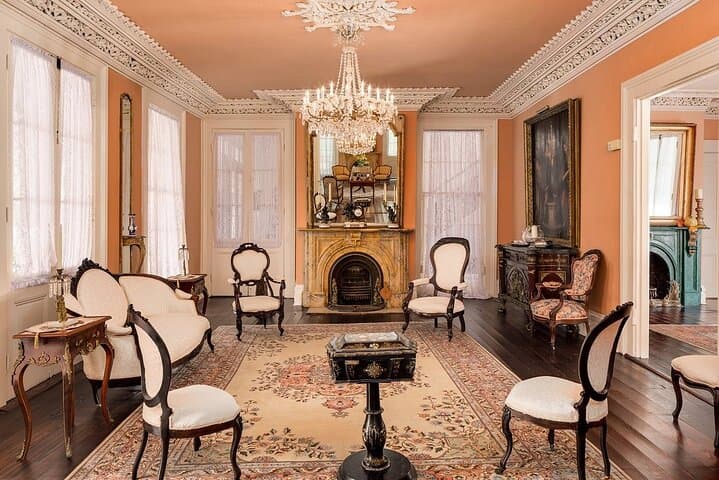
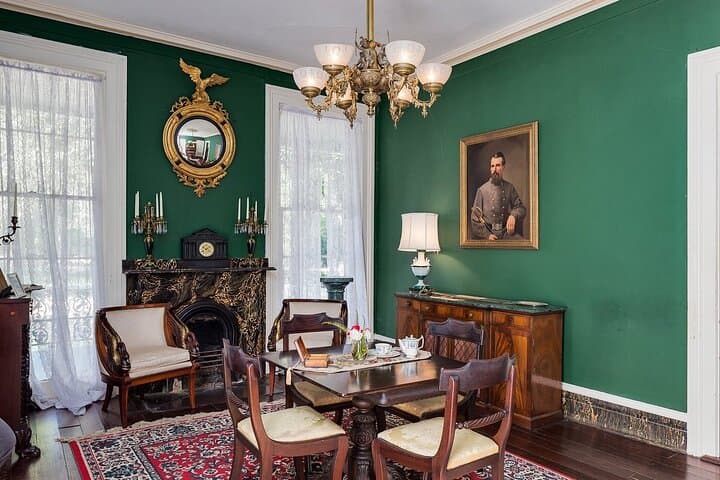
Built around 1796 and reworked in antebellum style, the Myrtles mixes Creole and American influences. Its clapboard façade, formal parlor, and outbuildings speak to plantation economy and social life in 19th-century Louisiana, while local lore and reported apparitions have made it famous as one of America’s most haunted homes. Geologically, the site sits on riverine alluvium carved by the nearby Mississippi; the land’s slow accumulation helped make it productive for cotton and sugar.
Daytime tours run about 45 minutes and focus on documented history, architecture, and oral stories; evening tours lean into the supernatural. Expect uneven floors, short staircases, and outdoor paths across shaded grounds. Guides will point out architectural details, cemetery stones, and the live oaks that predate the current house.
Practical guidance: arrive early to avoid heat and crowds, wear sturdy shoes for gravel and roots, and bring water—St. Francisville summers are hot and humid. Photography is generally allowed on daytime tours but check with staff. If you want a quieter visit, weekday mornings offer the clearest chance to explore plaques and quiet corners without the evening theatrics.
easy.
45 minutes.
Suitable for most visitors with a basic level of mobility; expect short walks and some stairs.
Daytime tours last about 45 minutes and cover the main rooms and grounds; allow extra time for the gift shop and cemetery.
Some areas have limited access due to historic stairs and narrow doorways; contact the plantation ahead for specific accommodations.
Photography is generally permitted during daytime tours but staff may restrict flash or access to certain rooms—ask on arrival.
Yes—there is on-site parking at the plantation; arrive early during peak season or weekend evenings for best spaces.
The Myrtles was developed on riverine land in the late 18th century and expanded during the antebellum period; it later became known for local legends and restoration efforts in the 20th century.
Visitors are asked to stay on designated paths and respect fragile historic materials; the site participates in local preservation and educational programs to protect buildings and landscape.
The Myrtles Plantation operates guided outdoor trips and adventures with an emphasis on safety, stewardship, and memorable experiences.
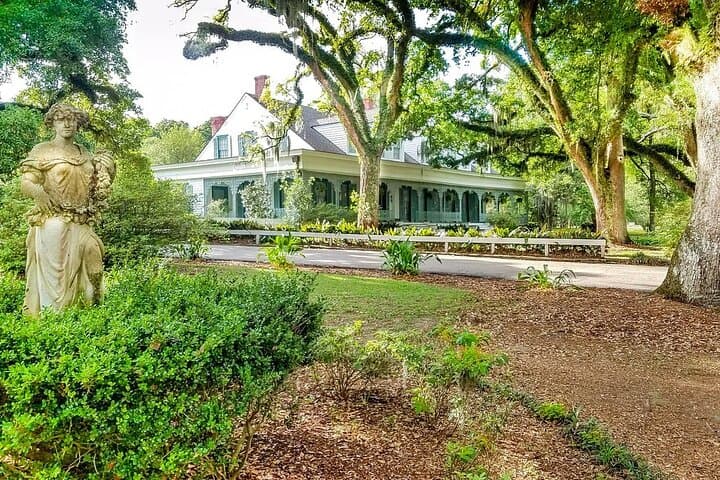

A cool morning on Highway 61, live oaks lean over the drive and the Mississippi River seems to breathe in the distance—arriving at The Myrtles Plantation feels like stepping through a film frame. The house sits high on a small ridge above the river’s floodplain; Spanish moss drapes like slow-moving curtains while the plantation’s grounds hold cedars and magnolias that mark generations of time.
A cool morning on Highway 61, live oaks lean over the drive and the Mississippi River seems to breathe in the distance—arriving at The Myrtles Plantation feels like stepping through a film frame. The house sits high on a small ridge above the river’s floodplain; Spanish moss drapes like slow-moving curtains while the plantation’s grounds hold cedars and magnolias that mark generations of time.
Built around 1796 and reworked in antebellum style, the Myrtles mixes Creole and American influences. Its clapboard façade, formal parlor, and outbuildings speak to plantation economy and social life in 19th-century Louisiana, while local lore and reported apparitions have made it famous as one of America’s most haunted homes. Geologically, the site sits on riverine alluvium carved by the nearby Mississippi; the land’s slow accumulation helped make it productive for cotton and sugar.
Daytime tours run about 45 minutes and focus on documented history, architecture, and oral stories; evening tours lean into the supernatural. Expect uneven floors, short staircases, and outdoor paths across shaded grounds. Guides will point out architectural details, cemetery stones, and the live oaks that predate the current house.
Practical guidance: arrive early to avoid heat and crowds, wear sturdy shoes for gravel and roots, and bring water—St. Francisville summers are hot and humid. Photography is generally allowed on daytime tours but check with staff. If you want a quieter visit, weekday mornings offer the clearest chance to explore plaques and quiet corners without the evening theatrics.