THE ADVENTURE COLLECTIVE® · Independent discovery and booking for outdoor travel

Explore Mykonos Town at an unhurried pace: windmills, Paraportiani Church, and Little Venice condensed into a private two-hour walk. Learn local history and practical tips for photographing, pacing, and avoiding crowds.
Explore Mykonos Town at an unhurried pace: windmills, Paraportiani Church, and Little Venice condensed into a private two-hour walk. Learn local history and practical tips for photographing, pacing, and avoiding crowds.
You meet outside the police station at the Old Port, the Aegean glinting and the little fishing boats bobbing like punctuation marks against whitewashed walls. The guide sets a relaxed pace and the town opens up in sequences — narrow stone alleys, doorways painted in cobalt, and a wind that seems intent on steering you toward the harbor.
Verified experiences and guided adventures in the surrounding area.
Operated by YourConcierge.gr · Mykonos, South Aegean
You meet outside the police station at the Old Port, the Aegean glinting and the little fishing boats bobbing like punctuation marks against whitewashed walls. The guide sets a relaxed pace and the town opens up in sequences — narrow stone alleys, doorways painted in cobalt, and a wind that seems intent on steering you toward the harbor.
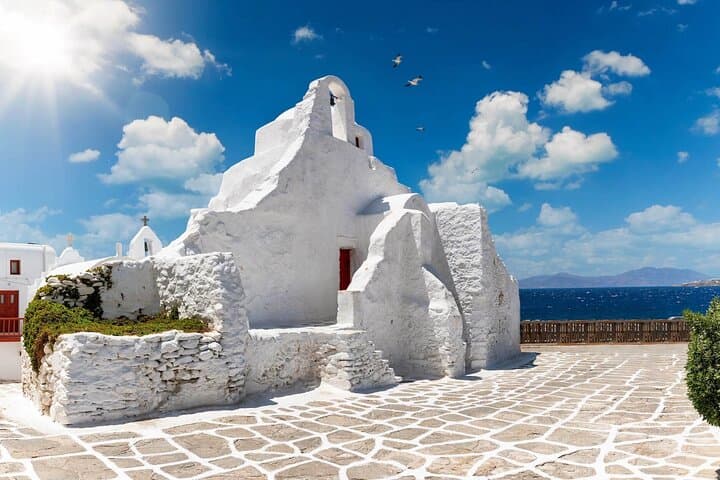
Mykonos Town (Chora) grew from a maritime and grain-milling past; the famous Kato Milli windmills once ground wheat for Ottoman-era trade, while Paraportiani Church — begun in the 15th century — shows layered phases of island architecture. Geology here is spare: limestone and schist bedrock sculpt low ridgelines, while calcareous soil supports low scrub that frames coastal views.
Culture arrives in small details: bouzouki notes from a tucked cafe, fishermen mending nets at dawn, and boutique owners tracing family histories in Matoyianni Street. Little Venice places homes at the water’s lip, their balconies daring the sea to claim a splash of sunset color, while the windmills watch over the town like patient machines of memory.
Practical guide: expect two hours of slow walking on uneven stone and steps; bring a brimmed hat, sunscreen and a reusable water bottle. Travel early or late afternoon to avoid cruise crowds and to catch softer light for photos. The tour suits most fitness levels but isn’t wheelchair-friendly in many alleys; comfortable shoes with grip are essential. Keep a little time afterward for an espresso by the old port or a detour up to a quieter rooftop for a last view — Chora rewards both attention and a calm stride.
easy.
2 hours.
Suitable for most travelers who can walk for two hours at a slow pace; not recommended for those with significant mobility issues.
The private tour runs about two hours at a deliberately slow, relaxed pace to allow for photos and short stops.
Many alleys and sightlines include steps and uneven cobbles; it’s not fully wheelchair accessible and strollers may be difficult in spots.
Yes — the itinerary includes Matoyianni Street and the Old Port area where boutiques and cafés are common; brief stops are possible within the two-hour window.
This walking tour covers outdoor highlights; any paid entrances (if desired) are typically not included and should be paid locally.
Mykonos developed as a maritime hub and milling center; its windmills and port reflect centuries of seafaring commerce and island agriculture.
High foot traffic affects fragile stonework and local water supplies; travel light, avoid single-use plastics, and stick to marked paths to reduce impact.
YourConcierge.gr operates guided outdoor trips and adventures with an emphasis on safety, stewardship, and memorable experiences.
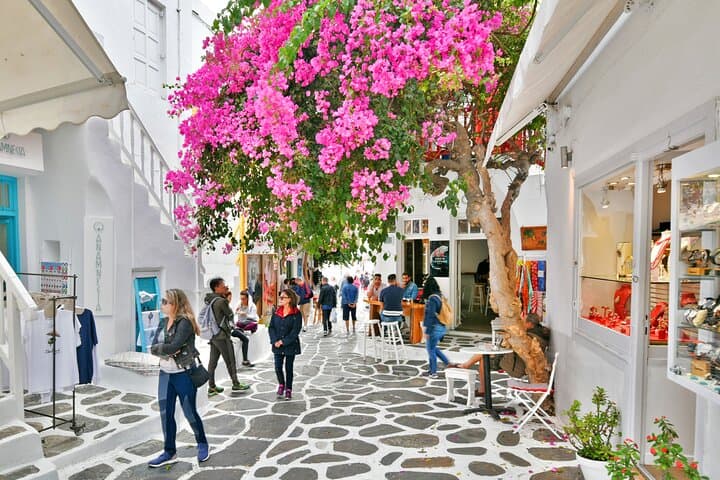
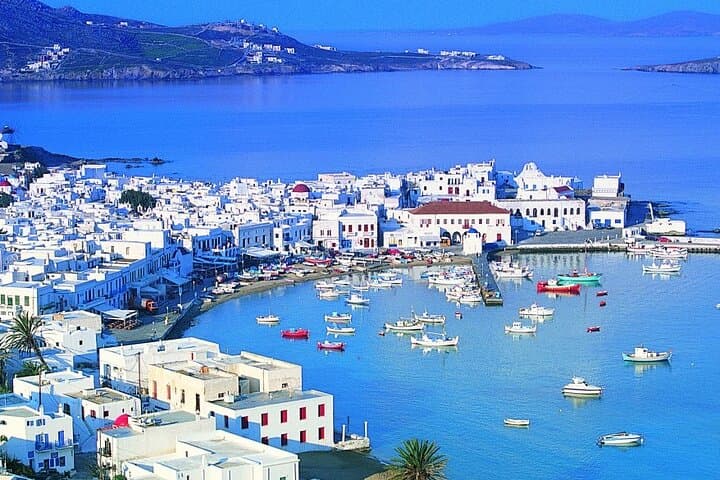
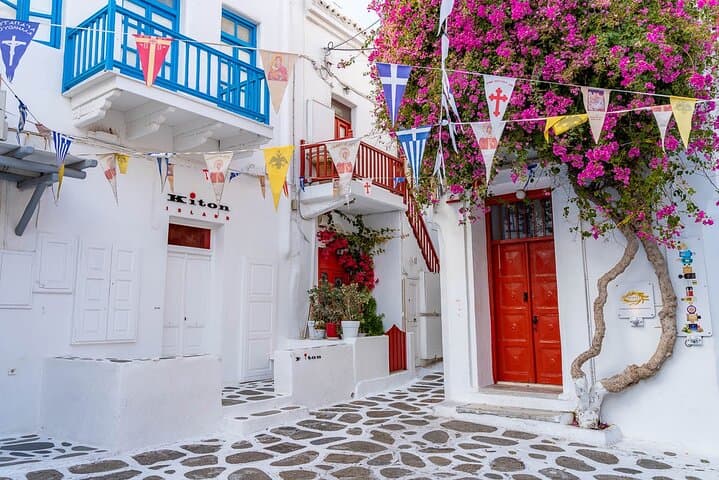
You meet outside the police station at the Old Port, the Aegean glinting and the little fishing boats bobbing like punctuation marks against whitewashed walls. The guide sets a relaxed pace and the town opens up in sequences — narrow stone alleys, doorways painted in cobalt, and a wind that seems intent on steering you toward the harbor.
You meet outside the police station at the Old Port, the Aegean glinting and the little fishing boats bobbing like punctuation marks against whitewashed walls. The guide sets a relaxed pace and the town opens up in sequences — narrow stone alleys, doorways painted in cobalt, and a wind that seems intent on steering you toward the harbor.
Mykonos Town (Chora) grew from a maritime and grain-milling past; the famous Kato Milli windmills once ground wheat for Ottoman-era trade, while Paraportiani Church — begun in the 15th century — shows layered phases of island architecture. Geology here is spare: limestone and schist bedrock sculpt low ridgelines, while calcareous soil supports low scrub that frames coastal views.
Culture arrives in small details: bouzouki notes from a tucked cafe, fishermen mending nets at dawn, and boutique owners tracing family histories in Matoyianni Street. Little Venice places homes at the water’s lip, their balconies daring the sea to claim a splash of sunset color, while the windmills watch over the town like patient machines of memory.
Practical guide: expect two hours of slow walking on uneven stone and steps; bring a brimmed hat, sunscreen and a reusable water bottle. Travel early or late afternoon to avoid cruise crowds and to catch softer light for photos. The tour suits most fitness levels but isn’t wheelchair-friendly in many alleys; comfortable shoes with grip are essential. Keep a little time afterward for an espresso by the old port or a detour up to a quieter rooftop for a last view — Chora rewards both attention and a calm stride.