THE ADVENTURE COLLECTIVE® · Independent discovery and booking for outdoor travel

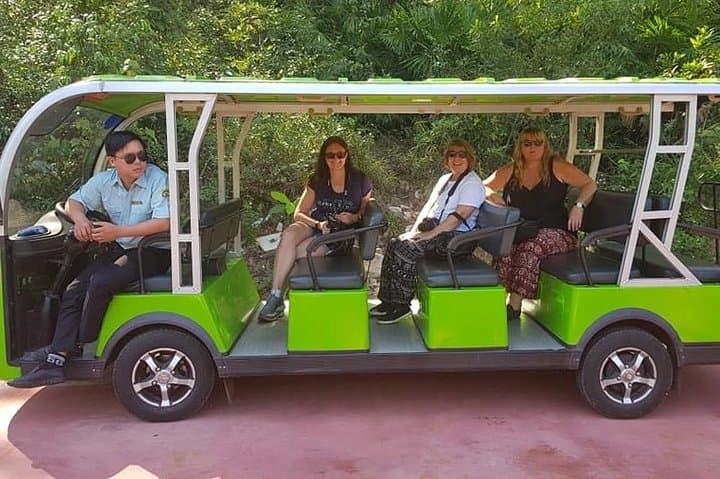
Visit My Son Sanctuary in the cool of morning to see centuries-old Cham brick towers, watch a traditional Apsara dance, and learn how this inland ritual center rose without mortar. This guided half-day tour includes hotel pickup, entrance, and electric-car access to the sites.
Visit My Son Sanctuary in the cool of morning to see centuries-old Cham brick towers, watch a traditional Apsara dance, and learn how this inland ritual center rose without mortar. This guided half-day tour includes hotel pickup, entrance, and electric-car access to the sites.
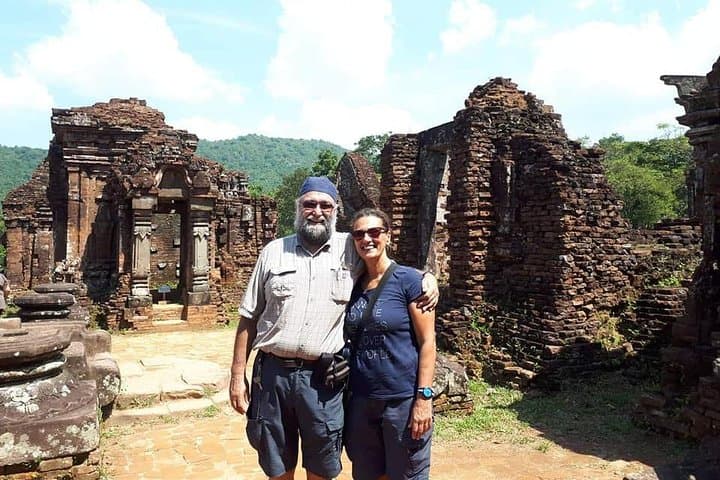
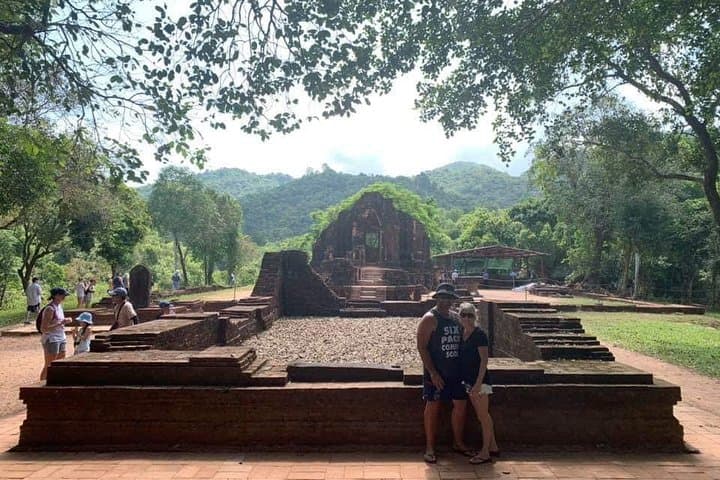
Misty rice paddies slide past the window as your minivan threads toward a narrow valley where redbrick towers rise between low karst ridges. Arriving in the cool morning, the scent of damp earth and old stone comes forward; the complex sits small but deliberate, every tower an argument from another century.
Verified experiences and guided adventures in the surrounding area.
Operated by Da Nang Hoi An Private Shore Excursion & Local Tours · Duy Xuyen, Quang Nam
Misty rice paddies slide past the window as your minivan threads toward a narrow valley where redbrick towers rise between low karst ridges. Arriving in the cool morning, the scent of damp earth and old stone comes forward; the complex sits small but deliberate, every tower an argument from another century.
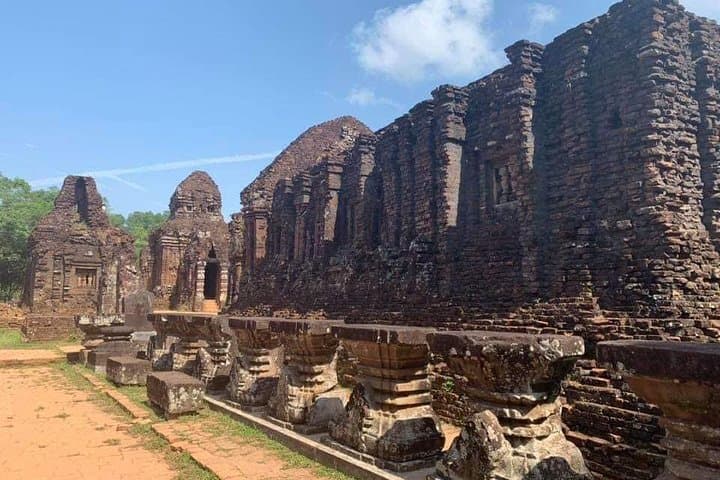
My Son was the sacred heart of the Cham kingdom from the 4th to the 13th century—an inland ritual center where kings and priests performed rites of fire and rice offerings. The temples are built of hand-fired bricks joined with tight interlocking joints rather than modern mortar; that ancient masonry and carved sandstone lintels reveal a technical tradition as much as a spiritual one. The site bears scars, too: many towers were damaged during 20th‑century conflicts and reconstructed, a reminder that history here is both layered and fragile.
Cultural moments arrive on this morning tour: a traditional Apsara dance by Cham descendants and a rare long-whistle performance that gives voice to the site’s ritual past. Guides move between architecture and cosmology, explaining iconography—lava‑coloured bricks echoing the volcanic geology of central Vietnam and bas-reliefs of Hindu deities adapted to local belief.
Practicalities follow a gentle rhythm: the tour includes electric-car access from the main gate and a short walk to the towers, plus bottled water and entrance. Wear sturdy walking shoes and sun protection, bring insect repellent, and plan to walk on uneven paths. Respect restricted areas and photography rules inside active shrines. Morning light is best for photos and cooler weather—visit early, listen to the guide, and let the slow pulse of the valley set the pace for the day.
easy.
5 hours.
Suitable for travelers of average fitness who can walk short distances on uneven terrain
Yes—this morning tour includes the My Son entrance tickets, so you won’t need to buy them separately.
The electric-car drop-off leaves a short 5–15 minute walk along flagged paths to the main clusters, depending on which group of towers you visit.
The site offers electric-car access from the parking area, but many temple platforms and paths are uneven; some sections are not suitable for wheelchairs beyond the main viewpoints.
Yes—this tour includes a traditional Apsara dance and a long-whistle performance by Cham performers as part of the morning program.
My Son served as the religious and political heart of the Champa kingdom for nearly a millennium; its architecture blends Indian Hindu iconography with local Cham stone and brick craft.
The site is fragile and managed as a World Heritage Site; visitors are asked to stay on paths, avoid touching carvings, and follow guide directions to minimize wear.
Da Nang Hoi An Private Shore Excursion & Local Tours operates guided outdoor trips and adventures with an emphasis on safety, stewardship, and memorable experiences.
Misty rice paddies slide past the window as your minivan threads toward a narrow valley where redbrick towers rise between low karst ridges. Arriving in the cool morning, the scent of damp earth and old stone comes forward; the complex sits small but deliberate, every tower an argument from another century.
Misty rice paddies slide past the window as your minivan threads toward a narrow valley where redbrick towers rise between low karst ridges. Arriving in the cool morning, the scent of damp earth and old stone comes forward; the complex sits small but deliberate, every tower an argument from another century.
My Son was the sacred heart of the Cham kingdom from the 4th to the 13th century—an inland ritual center where kings and priests performed rites of fire and rice offerings. The temples are built of hand-fired bricks joined with tight interlocking joints rather than modern mortar; that ancient masonry and carved sandstone lintels reveal a technical tradition as much as a spiritual one. The site bears scars, too: many towers were damaged during 20th‑century conflicts and reconstructed, a reminder that history here is both layered and fragile.
Cultural moments arrive on this morning tour: a traditional Apsara dance by Cham descendants and a rare long-whistle performance that gives voice to the site’s ritual past. Guides move between architecture and cosmology, explaining iconography—lava‑coloured bricks echoing the volcanic geology of central Vietnam and bas-reliefs of Hindu deities adapted to local belief.
Practicalities follow a gentle rhythm: the tour includes electric-car access from the main gate and a short walk to the towers, plus bottled water and entrance. Wear sturdy walking shoes and sun protection, bring insect repellent, and plan to walk on uneven paths. Respect restricted areas and photography rules inside active shrines. Morning light is best for photos and cooler weather—visit early, listen to the guide, and let the slow pulse of the valley set the pace for the day.