THE ADVENTURE COLLECTIVE® · Independent discovery and booking for outdoor travel

Explore the Champa ruins of My Son, learn rice-paper craft in a local home, and glide down the Thu Bon River to Hoi An on a single day trip. Ideal for history-minded travelers seeking an easy, immersive cultural outing.
Explore the Champa ruins of My Son, learn rice-paper craft in a local home, and glide down the Thu Bon River to Hoi An on a single day trip. Ideal for history-minded travelers seeking an easy, immersive cultural outing.
Morning light slips through palms as a minivan pulls off the coastal road and the low-slung red brick towers of My Son come into view. The site’s ruined temples hunker in a bowl of jungle; columns and lintels wear moss and sun, and the guide’s narrative threads history through the trees.
Verified experiences and guided adventures in the surrounding area.
Operated by Best Vietnam Tours · Hoi An, Quang Nam
Morning light slips through palms as a minivan pulls off the coastal road and the low-slung red brick towers of My Son come into view. The site’s ruined temples hunker in a bowl of jungle; columns and lintels wear moss and sun, and the guide’s narrative threads history through the trees.
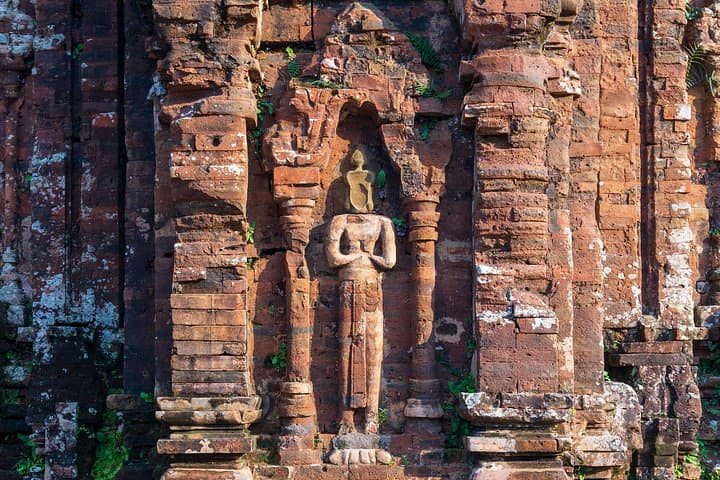
My Son was the ceremonial center of the Champa kingdom between the 4th and 13th centuries. Built of fired brick and laterite, its towers reflect Indianized Hindu architecture that once drew pilgrim processions and royal rites. The tonal soil and volcanic material in the valley preserved the bricks; wind and monsoon shaped the paths you’ll walk today.
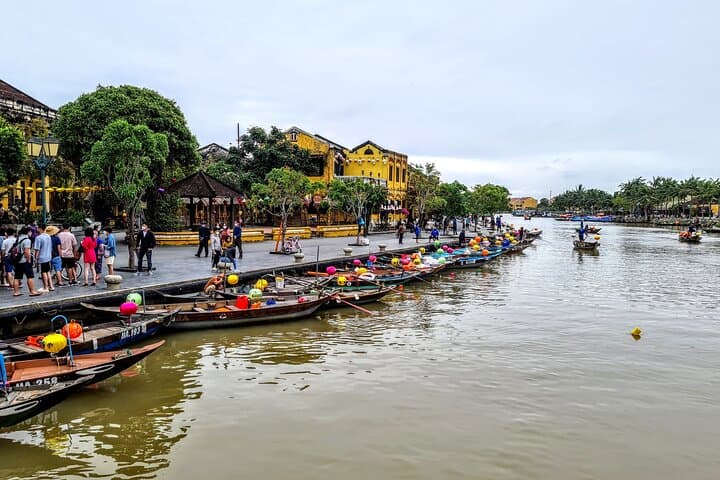
A short drive from the site leads to a local home where rice-paper making is demonstrated — a tactile link to rural craft — followed by a simple Vietnamese lunch featuring regional herbs and cooling teas. The trip finishes with a breezy Thu Bon River boat ride into Hoi An; the current pushes you along past riverine vegetable plots and stilt houses, a quieter approach than the town’s busy streets.
Practical notes: expect roughly six hours door-to-door. Trails inside My Son are flat but uneven; bring sturdy shoes and sun protection. Carry water, insect repellent and a light rain layer in the wet season. Photography is permitted at most ruins but respect restricted areas and performances.
This day trip blends archaeology, hands-on culture, and a short river crossing — a compact, accessible way to experience central Vietnam’s landscape and layered past.
easy.
6 hours.
Suitable for most fitness levels—requires moderate mobility for short walks on uneven ground
The itinerary runs about six hours including transport between Hoi An/Da Nang and My Son, time at the site, lunch, and the boat transfer.
No; walking is generally gentle but surfaces are uneven—comfortable shoes and basic mobility suffice.
Yes, the tour price includes entry to My Son and a local lunch, and bottled water is provided.
Yes; the tour is family-friendly but infants should sit on laps during transportation per the operator’s policy.
My Son was a sacred center of the Champa civilization from roughly the 4th to 13th centuries and contains Hindu temples dedicated mainly to Shiva.
My Son is a protected UNESCO site; visitors should stick to marked paths and avoid touching fragile brickwork to reduce erosion and wear.
Best Vietnam Tours operates guided outdoor trips and adventures with an emphasis on safety, stewardship, and memorable experiences.
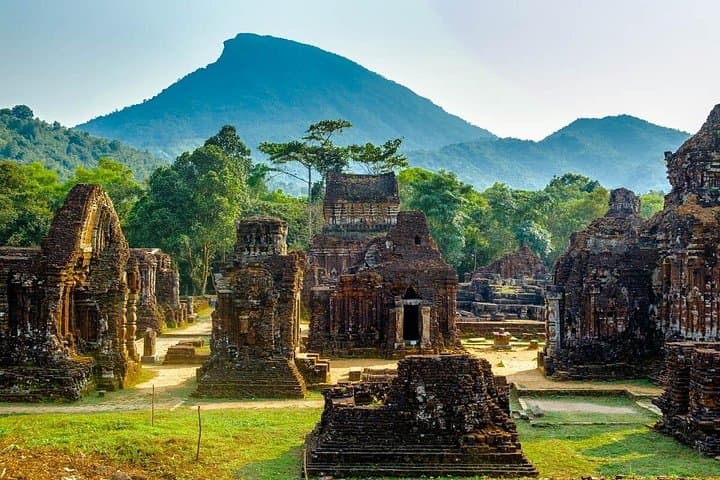
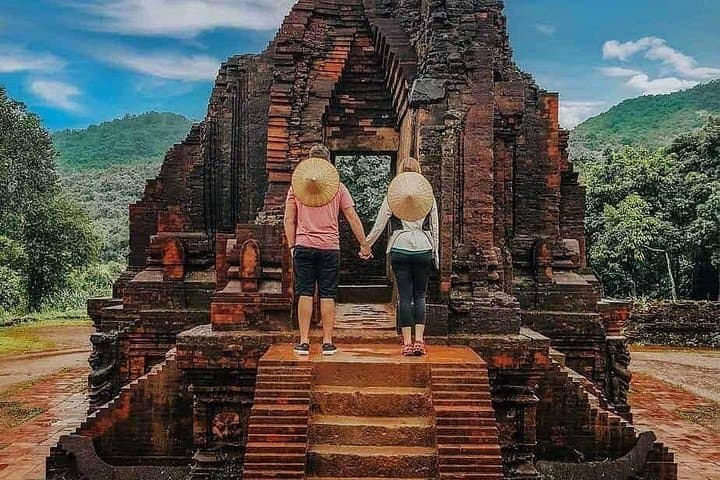
Morning light slips through palms as a minivan pulls off the coastal road and the low-slung red brick towers of My Son come into view. The site’s ruined temples hunker in a bowl of jungle; columns and lintels wear moss and sun, and the guide’s narrative threads history through the trees.
Morning light slips through palms as a minivan pulls off the coastal road and the low-slung red brick towers of My Son come into view. The site’s ruined temples hunker in a bowl of jungle; columns and lintels wear moss and sun, and the guide’s narrative threads history through the trees.
My Son was the ceremonial center of the Champa kingdom between the 4th and 13th centuries. Built of fired brick and laterite, its towers reflect Indianized Hindu architecture that once drew pilgrim processions and royal rites. The tonal soil and volcanic material in the valley preserved the bricks; wind and monsoon shaped the paths you’ll walk today.
A short drive from the site leads to a local home where rice-paper making is demonstrated — a tactile link to rural craft — followed by a simple Vietnamese lunch featuring regional herbs and cooling teas. The trip finishes with a breezy Thu Bon River boat ride into Hoi An; the current pushes you along past riverine vegetable plots and stilt houses, a quieter approach than the town’s busy streets.
Practical notes: expect roughly six hours door-to-door. Trails inside My Son are flat but uneven; bring sturdy shoes and sun protection. Carry water, insect repellent and a light rain layer in the wet season. Photography is permitted at most ruins but respect restricted areas and performances.
This day trip blends archaeology, hands-on culture, and a short river crossing — a compact, accessible way to experience central Vietnam’s landscape and layered past.