THE ADVENTURE COLLECTIVE® · Independent discovery and booking for outdoor travel

Explore the ruined Cham temples of My Son, glide through Cam Thanh’s coconut-lined waterways in a round basket boat, and finish with a walking tour of Hoi An’s UNESCO streets. This full-day trip blends archaeology, local fishing traditions, and lively urban history.
Explore the ruined Cham temples of My Son, glide through Cam Thanh’s coconut-lined waterways in a round basket boat, and finish with a walking tour of Hoi An’s UNESCO streets. This full-day trip blends archaeology, local fishing traditions, and lively urban history.
Morning light slices through low hills as the minivan leaves Hoi An behind and the valley opens to the red-brick ruins of My Son. Stout towers rise from grass and shade; warm stone smells of sun and rain. The guide frames the stones with stories of the Cham—kings who ordered temples like statements carved into the landscape.
Verified experiences and guided adventures in the surrounding area.
Operated by Da Nang Hoi An Private Tours & Shore Excursion · Hoi An, Quang Nam
Morning light slices through low hills as the minivan leaves Hoi An behind and the valley opens to the red-brick ruins of My Son. Stout towers rise from grass and shade; warm stone smells of sun and rain. The guide frames the stones with stories of the Cham—kings who ordered temples like statements carved into the landscape.
My Son is a compact archaeological complex of Hindu-style towers and sanctuaries built between the 4th and 13th centuries. The site sits in a narrow valley where alluvial soils and river action supplied bricks and transport—its surviving towers reveal dry-stack construction and later restorations. Nearby, Cam Thanh’s “coconut jungle” is not a jungle but a dense mangrove-lined waterway where local fishermen propel round bamboo basket boats and fish for crabs among stilt roots. Hoi An’s old town closes the loop: timber-fronted merchant houses, the covered Japanese Bridge, and riverside markets that reflect centuries of maritime trade.
Practical guidance: expect a full day (about 8–9 hours) with uneven temple stone and low-bridge steps in Hoi An. Bring sun protection, insect repellent, and a light rain layer—weather can shift quickly. Footwear should handle mud and short boat transfers; a small daypack and refillable water bottle keep you moving. Photography is excellent but stay on marked paths at My Son; follow the guide near water and when boarding basket boats. Timing matters—arrive early to avoid heat and share quieter views of the temples and river.
This tour pairs cultural archaeology, hands-on river craft, and easy urban walking—appealing to travelers who want tactile contact with both landscape and living traditions.
moderate.
8–9 hours.
Moderate fitness—able to walk on uneven ground, climb short steps, and board small boats.
The tour runs about 8–9 hours with pickup in Da Nang or Hoi An; exact pickup time varies but typically begins around 7:30 a.m.
Children can ride but must be supervised; local operators often provide life jackets—confirm availability when booking.
Entrance tickets for My Son and Hoi An are listed as included in this tour’s inclusions, along with the basket boat fee and lunch.
Photography is allowed in most outdoor areas; respect signs and avoid flash in sensitive rooms—follow the guide for restricted zones.
My Son was the religious and political heart of the Champa Kingdom from roughly the 4th to 13th centuries, influenced by Indian Hindu architecture and maritime trade.
My Son and nearby waterways are managed to protect fragile brick ruins and mangrove habitats; visitors are encouraged to stay on paths, avoid touching brickwork, and minimize single-use plastics.
Da Nang Hoi An Private Tours & Shore Excursion operates guided outdoor trips and adventures with an emphasis on safety, stewardship, and memorable experiences.
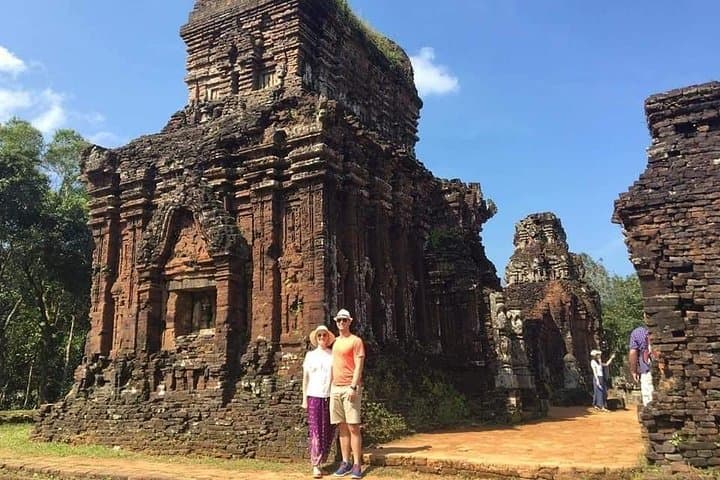
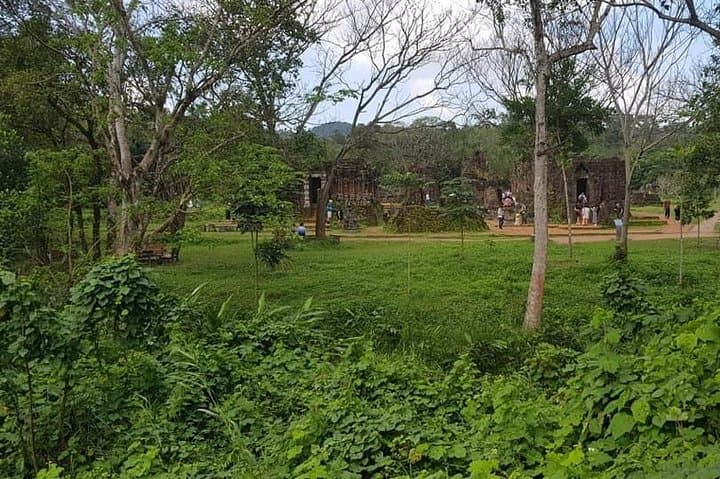
Morning light slices through low hills as the minivan leaves Hoi An behind and the valley opens to the red-brick ruins of My Son. Stout towers rise from grass and shade; warm stone smells of sun and rain. The guide frames the stones with stories of the Cham—kings who ordered temples like statements carved into the landscape.
Morning light slices through low hills as the minivan leaves Hoi An behind and the valley opens to the red-brick ruins of My Son. Stout towers rise from grass and shade; warm stone smells of sun and rain. The guide frames the stones with stories of the Cham—kings who ordered temples like statements carved into the landscape.
My Son is a compact archaeological complex of Hindu-style towers and sanctuaries built between the 4th and 13th centuries. The site sits in a narrow valley where alluvial soils and river action supplied bricks and transport—its surviving towers reveal dry-stack construction and later restorations. Nearby, Cam Thanh’s “coconut jungle” is not a jungle but a dense mangrove-lined waterway where local fishermen propel round bamboo basket boats and fish for crabs among stilt roots. Hoi An’s old town closes the loop: timber-fronted merchant houses, the covered Japanese Bridge, and riverside markets that reflect centuries of maritime trade.
Practical guidance: expect a full day (about 8–9 hours) with uneven temple stone and low-bridge steps in Hoi An. Bring sun protection, insect repellent, and a light rain layer—weather can shift quickly. Footwear should handle mud and short boat transfers; a small daypack and refillable water bottle keep you moving. Photography is excellent but stay on marked paths at My Son; follow the guide near water and when boarding basket boats. Timing matters—arrive early to avoid heat and share quieter views of the temples and river.
This tour pairs cultural archaeology, hands-on river craft, and easy urban walking—appealing to travelers who want tactile contact with both landscape and living traditions.