THE ADVENTURE COLLECTIVE® · Independent discovery and booking for outdoor travel

Spend a day exploring My Son’s red-brick temple clusters and the lantern-lit streets of Hoi An. This shore excursion pairs a focused archaeological visit with a relaxed walk through a living port town.
Spend a day exploring My Son’s red-brick temple clusters and the lantern-lit streets of Hoi An. This shore excursion pairs a focused archaeological visit with a relaxed walk through a living port town.
You step off the gangway into humid air and a guide holding a small sign; the city recedes and rice paddies spread toward a low, jungle-creased valley. The drive from Tien Sa or Chan May frames the approach to My Son with roadside villages, limestone outcrops, and sudden glimpses of red-brick towers through vines—an intimate preface to the day.
Verified experiences and guided adventures in the surrounding area.
Operated by Da Nang Hoi An Private Tours & Shore Excursion · Hoi An, Quang Nam
You step off the gangway into humid air and a guide holding a small sign; the city recedes and rice paddies spread toward a low, jungle-creased valley. The drive from Tien Sa or Chan May frames the approach to My Son with roadside villages, limestone outcrops, and sudden glimpses of red-brick towers through vines—an intimate preface to the day.
My Son was the religious heart of the Cham kingdoms from the 4th–13th centuries. The site’s compact clusters of tower-temples were crafted from fired brick and sandstone, raised by artisans who used a tight, mortarless bonding technique. The valley’s geology—limestone ridges and nutrient soils—helped nourish the surrounding wetland ecology that once supported the temples.
Later, Hoi An offers a contrasting pace: low-slung merchant houses along the Thu Bon River, the Japanese Covered Bridge, Chinese assembly halls and a market that still trades in spices, fabrics and tailor-made shirts. The town’s streets reflect a living trade history between Southeast Asia, Japan and Europe.
Practical note: the tour schedules roughly 90 minutes at My Son and about 100 minutes in Hoi An, so wear sturdy shoes for uneven brickwork and bring sun protection and cash for small purchases. Expect open-air walking, steep steps at some temple complexes, and a moderate amount of standing during guided segments. Lunch is at a local restaurant; return to port at least one hour before your ship’s departure. With a balance of archaeology, architecture and market-side life, this shore excursion is compact, readable and well suited to travelers who want culture without long overland travel.
moderate.
8 hours.
Moderate fitness: able to walk on uneven ground for up to two hours total and climb short stepped sections
Drive time varies by port and traffic but typically 45–75 minutes from Da Nang/Tien Sa; Chan May can add travel time—your booking will confirm pickup details.
Yes; this tour includes entrance tickets to My Son and sites listed in the itinerary as well as lunch and bottled water.
The tour is family-friendly but requires moderate mobility—there are uneven surfaces and some steps at My Son; infant seats and stroller access are available on the vehicle.
Yes; the schedule includes time for a local lunch and market browsing—carry cash for smaller stalls and allow time to return to the vehicle before departure.
My Son served as a ceremonial center for the Cham Kingdom between the 4th and 13th centuries; Hoi An grew as an international trading port that linked Southeast Asia with Japan and Europe.
Conservation efforts at My Son focus on stabilizing fragile brickwork and limiting visitor impact; follow marked paths and avoid climbing on ruins to protect the site.
Da Nang Hoi An Private Tours & Shore Excursion operates guided outdoor trips and adventures with an emphasis on safety, stewardship, and memorable experiences.
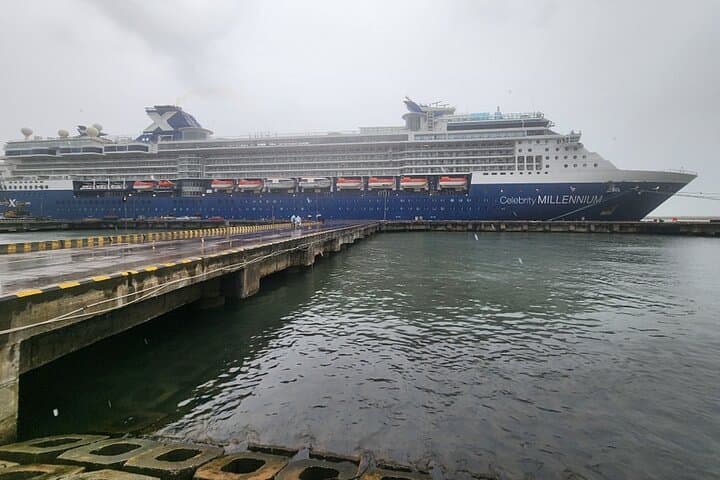
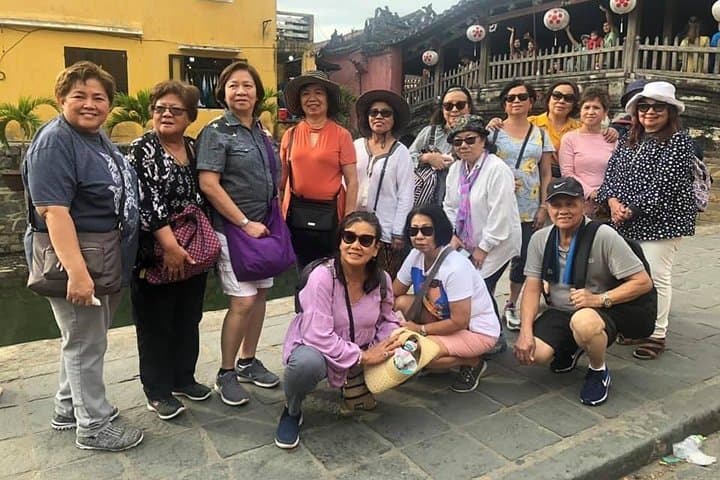


You step off the gangway into humid air and a guide holding a small sign; the city recedes and rice paddies spread toward a low, jungle-creased valley. The drive from Tien Sa or Chan May frames the approach to My Son with roadside villages, limestone outcrops, and sudden glimpses of red-brick towers through vines—an intimate preface to the day.
You step off the gangway into humid air and a guide holding a small sign; the city recedes and rice paddies spread toward a low, jungle-creased valley. The drive from Tien Sa or Chan May frames the approach to My Son with roadside villages, limestone outcrops, and sudden glimpses of red-brick towers through vines—an intimate preface to the day.
My Son was the religious heart of the Cham kingdoms from the 4th–13th centuries. The site’s compact clusters of tower-temples were crafted from fired brick and sandstone, raised by artisans who used a tight, mortarless bonding technique. The valley’s geology—limestone ridges and nutrient soils—helped nourish the surrounding wetland ecology that once supported the temples.
Later, Hoi An offers a contrasting pace: low-slung merchant houses along the Thu Bon River, the Japanese Covered Bridge, Chinese assembly halls and a market that still trades in spices, fabrics and tailor-made shirts. The town’s streets reflect a living trade history between Southeast Asia, Japan and Europe.
Practical note: the tour schedules roughly 90 minutes at My Son and about 100 minutes in Hoi An, so wear sturdy shoes for uneven brickwork and bring sun protection and cash for small purchases. Expect open-air walking, steep steps at some temple complexes, and a moderate amount of standing during guided segments. Lunch is at a local restaurant; return to port at least one hour before your ship’s departure. With a balance of archaeology, architecture and market-side life, this shore excursion is compact, readable and well suited to travelers who want culture without long overland travel.