THE ADVENTURE COLLECTIVE® · Independent discovery and booking for outdoor travel

A full-day, Muslim-friendly tour from Da Nang that pairs the brick sanctuaries of Mỹ Sơn with the lantern-lit alleys of Hoi An. Expect guided history, halal lunch, hotel pickup, and easy walking through two UNESCO sites.
A full-day, Muslim-friendly tour from Da Nang that pairs the brick sanctuaries of Mỹ Sơn with the lantern-lit alleys of Hoi An. Expect guided history, halal lunch, hotel pickup, and easy walking through two UNESCO sites.
You arrive before the traffic wakes, the road unfurling west from Da Nang into low limestone ridges and rice paddies. Morning light hits the red-brick ruins of Mỹ Sơn first – towers and lintels rising like a ruined city asserting itself back from the jungle – then later the Thu Bon River threads through Hoi An, daring you to slow down and watch lanterns drift past old merchant houses.
Verified experiences and guided adventures in the surrounding area.
Operated by Local Tours PU LUONG · Da Nang, Da Nang
You arrive before the traffic wakes, the road unfurling west from Da Nang into low limestone ridges and rice paddies. Morning light hits the red-brick ruins of Mỹ Sơn first – towers and lintels rising like a ruined city asserting itself back from the jungle – then later the Thu Bon River threads through Hoi An, daring you to slow down and watch lanterns drift past old merchant houses.
Mỹ Sơn was the religious heart of the Champa Kingdom from the 4th to 14th centuries, its brickwork and bas-reliefs reflecting Hindu iconography and Indianized Southeast Asian trade links. Hoi An, by contrast, grew as a cosmopolitan trading port from the 16th to 19th centuries; its wooden shophouses show Chinese, Japanese and European influences. Geologically the area sits on coastal plains with nearby low karst outcrops; the ruins weather differently depending on exposure, which is one reason guided interpretation matters.
On the ground expect easy walking on uneven pathways, some stairs at temple complexes, and shaded alleys in Hoi An’s Old Town. Lunch follows halal-friendly Vietnamese dishes at vetted restaurants; small-group logistics include hotel pickup and an electric cart at Mỹ Sơn to limit erosion on the site.
Practical guidance: bring sun protection and a refillable bottle, wear sturdy walking shoes, and carry small cash for market purchases and tips. Time your visit early for cooler temperatures and quieter ruins; mid-morning light is best for photos at Mỹ Sơn. Respect temple dress codes and local customs to keep the experience smooth and meaningful.
easy.
8 hours.
Suitable for most fitness levels; involves several short walks, uneven surfaces and stairs.
Yes—recommended eateries provide halal options and the itinerary avoids non-halal meal stops; confirm dietary requests when booking.
The loop is roughly a 100 km round trip; expect about 1–1.5 hours each way depending on traffic, with stops included in the 8-hour schedule.
Yes, entrance fees for Mỹ Sơn and Hoi An Old Town are included along with an electric car transfer at Mỹ Sơn as noted in inclusions.
The tour is suitable for many, but Mỹ Sơn has uneven terrain and steps; those with significant mobility issues should check accessibility before booking.
Mỹ Sơn was the spiritual and political center of the Champa Kingdom; Hoi An grew as a transoceanic trading port where foreign merchants shaped local architecture and cuisine.
Both UNESCO sites face wear from tourism and weather; use marked paths, avoid touching carvings, and support local guides who promote sustainable visitation.
Local Tours PU LUONG operates guided outdoor trips and adventures with an emphasis on safety, stewardship, and memorable experiences.
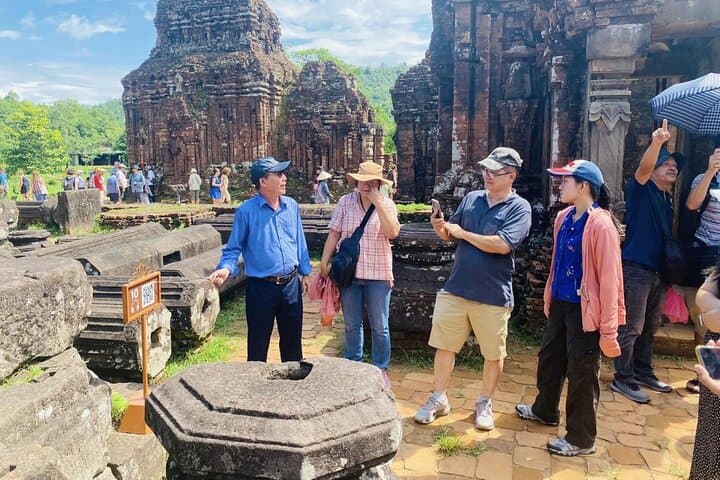
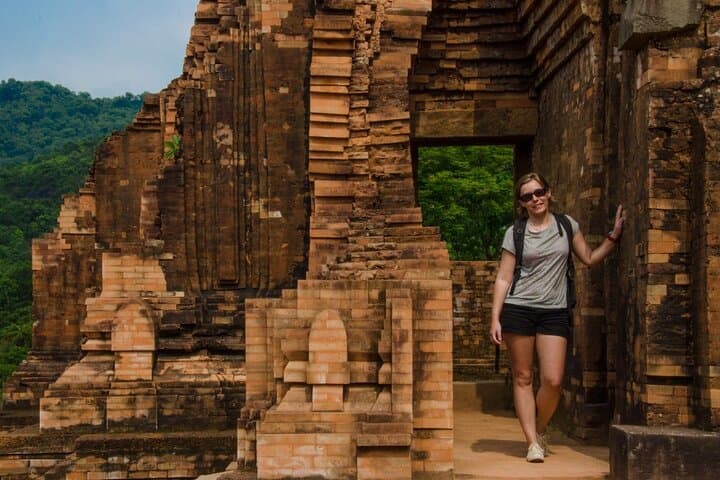
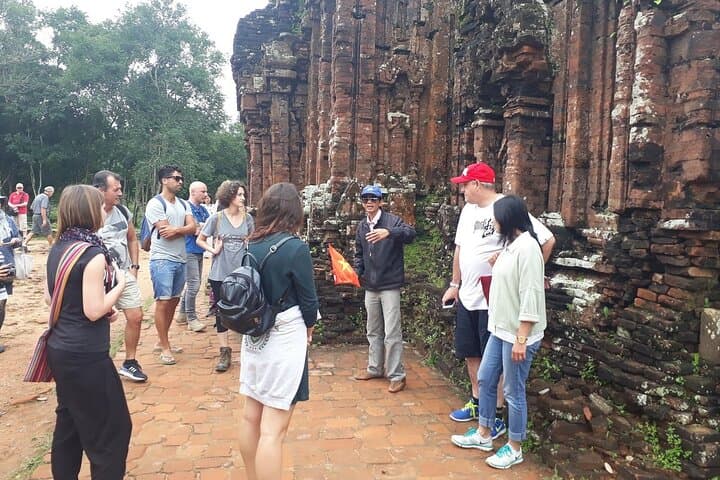
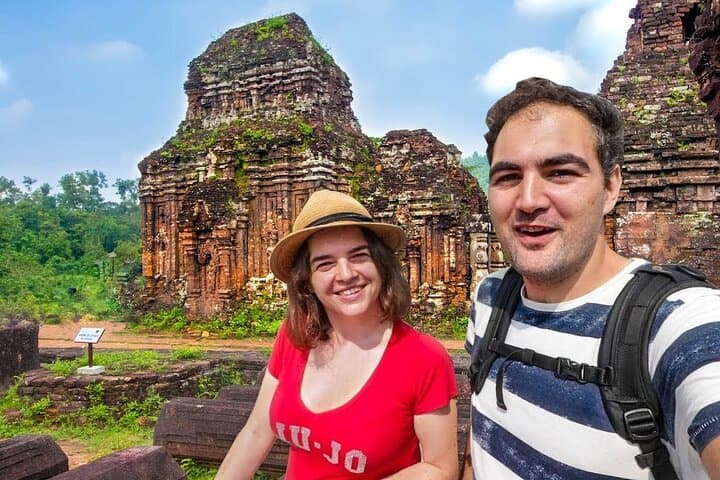
You arrive before the traffic wakes, the road unfurling west from Da Nang into low limestone ridges and rice paddies. Morning light hits the red-brick ruins of Mỹ Sơn first – towers and lintels rising like a ruined city asserting itself back from the jungle – then later the Thu Bon River threads through Hoi An, daring you to slow down and watch lanterns drift past old merchant houses.
You arrive before the traffic wakes, the road unfurling west from Da Nang into low limestone ridges and rice paddies. Morning light hits the red-brick ruins of Mỹ Sơn first – towers and lintels rising like a ruined city asserting itself back from the jungle – then later the Thu Bon River threads through Hoi An, daring you to slow down and watch lanterns drift past old merchant houses.
Mỹ Sơn was the religious heart of the Champa Kingdom from the 4th to 14th centuries, its brickwork and bas-reliefs reflecting Hindu iconography and Indianized Southeast Asian trade links. Hoi An, by contrast, grew as a cosmopolitan trading port from the 16th to 19th centuries; its wooden shophouses show Chinese, Japanese and European influences. Geologically the area sits on coastal plains with nearby low karst outcrops; the ruins weather differently depending on exposure, which is one reason guided interpretation matters.
On the ground expect easy walking on uneven pathways, some stairs at temple complexes, and shaded alleys in Hoi An’s Old Town. Lunch follows halal-friendly Vietnamese dishes at vetted restaurants; small-group logistics include hotel pickup and an electric cart at Mỹ Sơn to limit erosion on the site.
Practical guidance: bring sun protection and a refillable bottle, wear sturdy walking shoes, and carry small cash for market purchases and tips. Time your visit early for cooler temperatures and quieter ruins; mid-morning light is best for photos at Mỹ Sơn. Respect temple dress codes and local customs to keep the experience smooth and meaningful.