THE ADVENTURE COLLECTIVE® · Independent discovery and booking for outdoor travel

Escape Beijing’s crowds with a morning bus to the Mutianyu section—the restored Ming‑era wall that stretches across granite ridges with 23 watchtowers. This 3‑hour, 4 km round‑trip hike pairs dramatic views with practical access via cable car or toboggan for return.
Escape Beijing’s crowds with a morning bus to the Mutianyu section—the restored Ming‑era wall that stretches across granite ridges with 23 watchtowers. This 3‑hour, 4 km round‑trip hike pairs dramatic views with practical access via cable car or toboggan for return.
You step onto the air‑conditioned coach before dawn and the city blurs into highway and green hills—by midmorning the stone ribbon of the Great Wall appears, climbing and folding over tree‑lined ridges. At Mutianyu the wall feels purposefully human: watchtowers punctuate the skyline and restored crenellations invite deliberate steps rather than hurried selfies.
Verified experiences and guided adventures in the surrounding area.
Operated by Beijing Tours · Huairou, Beijing
You step onto the air‑conditioned coach before dawn and the city blurs into highway and green hills—by midmorning the stone ribbon of the Great Wall appears, climbing and folding over tree‑lined ridges. At Mutianyu the wall feels purposefully human: watchtowers punctuate the skyline and restored crenellations invite deliberate steps rather than hurried selfies.
Mutianyu was rebuilt along Ming‑dynasty foundations—work led by General Xu Da under the founding Ming emperor in the 14th century—and preserves 23 original‑style watchtowers. The wall here runs atop granite ridgelines carved by millennia of erosion; valleys channel streams that swell each spring and quiet to trickles in late summer. Local culture frames the wall as both military infrastructure and a landscape feature that has shaped settlements in Huairou for centuries.
For practical planning: the round‑trip hike most visitors do covers roughly 4 km and takes about three hours when you factor in stops for photos and tower climbs; base‑to‑top walks take 40–60 minutes. Mutianyu is about 75 km from central Beijing—morning departures arrive around 9:30 and return after lunch. Cable cars and a summer toboggan run provide options to shorten steep descents if your knees object.
Expect uneven stone steps, steep stretches between towers, and rapidly changing weather on exposed ridgelines. Bring sturdy shoes, layered clothing, and water, and schedule your visit for earlier or later in the day to avoid tour‑group peaks. Treat the site with care: stay on the path and leave no trace so the wall endures for the next visitor.
moderate.
3–4 hours.
Moderate fitness: able to handle uneven stone steps, repeated short climbs, and several hours of walking.
The tour allocates about three hours at Mutianyu—typically enough for a 4 km round trip, tower climbs, and photos, plus time to use the cable car or toboggan.
Yes with caveats: the trail has many steps and some steep stretches; the cable car and chairlift provide easier access for those who need it, but mobility limits and cardiovascular concerns are noted by operators.
Yes—the guide or operator usually handles tickets for groups; cable car and chairlift rides are available for a separate fee and reduce walking time.
Most morning bus options include downtown Beijing hotel pickup; confirm your pickup point at booking and arrive a few minutes early.
Mutianyu was rebuilt on Ming‑era foundations in the 14th century under General Xu Da; its 23 restored watchtowers reflect defensive design for guarding the northern approaches to the capital.
Heavy foot traffic and weathering stress the masonry—stick to authorized paths, avoid climbing on fragile crenellations, and pack out all trash to protect the site.
Beijing Tours operates guided outdoor trips and adventures with an emphasis on safety, stewardship, and memorable experiences.
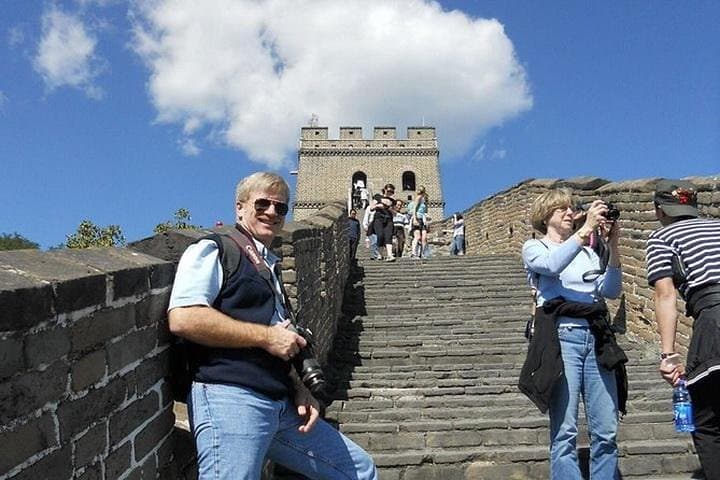

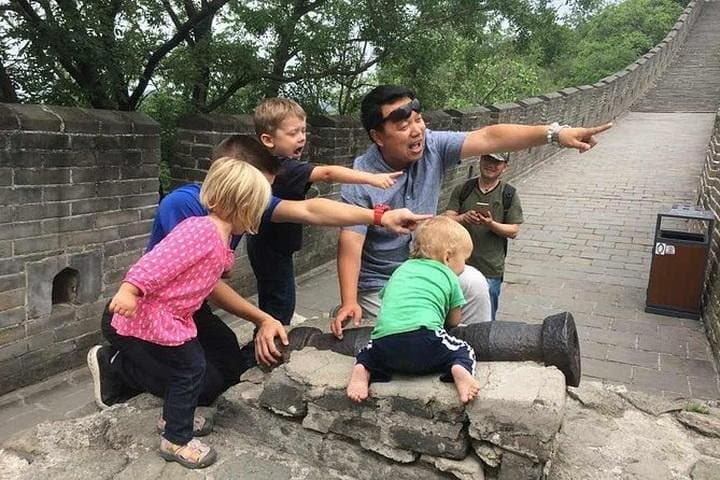
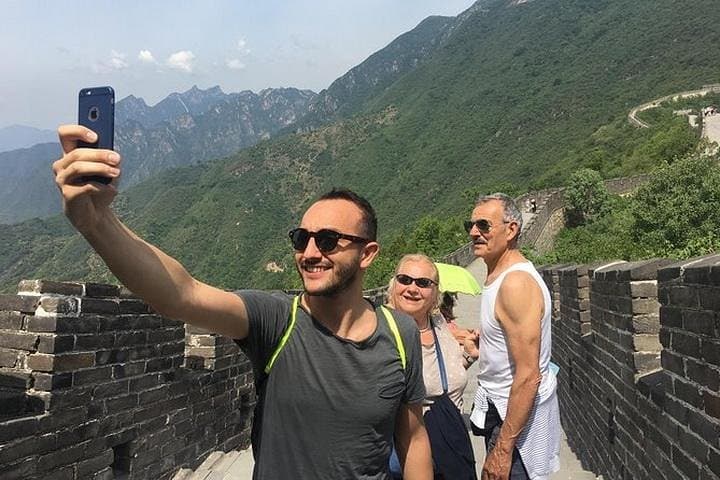
You step onto the air‑conditioned coach before dawn and the city blurs into highway and green hills—by midmorning the stone ribbon of the Great Wall appears, climbing and folding over tree‑lined ridges. At Mutianyu the wall feels purposefully human: watchtowers punctuate the skyline and restored crenellations invite deliberate steps rather than hurried selfies.
You step onto the air‑conditioned coach before dawn and the city blurs into highway and green hills—by midmorning the stone ribbon of the Great Wall appears, climbing and folding over tree‑lined ridges. At Mutianyu the wall feels purposefully human: watchtowers punctuate the skyline and restored crenellations invite deliberate steps rather than hurried selfies.
Mutianyu was rebuilt along Ming‑dynasty foundations—work led by General Xu Da under the founding Ming emperor in the 14th century—and preserves 23 original‑style watchtowers. The wall here runs atop granite ridgelines carved by millennia of erosion; valleys channel streams that swell each spring and quiet to trickles in late summer. Local culture frames the wall as both military infrastructure and a landscape feature that has shaped settlements in Huairou for centuries.
For practical planning: the round‑trip hike most visitors do covers roughly 4 km and takes about three hours when you factor in stops for photos and tower climbs; base‑to‑top walks take 40–60 minutes. Mutianyu is about 75 km from central Beijing—morning departures arrive around 9:30 and return after lunch. Cable cars and a summer toboggan run provide options to shorten steep descents if your knees object.
Expect uneven stone steps, steep stretches between towers, and rapidly changing weather on exposed ridgelines. Bring sturdy shoes, layered clothing, and water, and schedule your visit for earlier or later in the day to avoid tour‑group peaks. Treat the site with care: stay on the path and leave no trace so the wall endures for the next visitor.