THE ADVENTURE COLLECTIVE® · Independent discovery and booking for outdoor travel

See two contrasting faces of the Great Wall in one day: the restored towers and toboggan of Mutianyu and the quiet, water-laced stretches of Huanghuacheng. This private transfer offers flexible pacing with optional guiding for history and route choices.
See two contrasting faces of the Great Wall in one day: the restored towers and toboggan of Mutianyu and the quiet, water-laced stretches of Huanghuacheng. This private transfer offers flexible pacing with optional guiding for history and route choices.
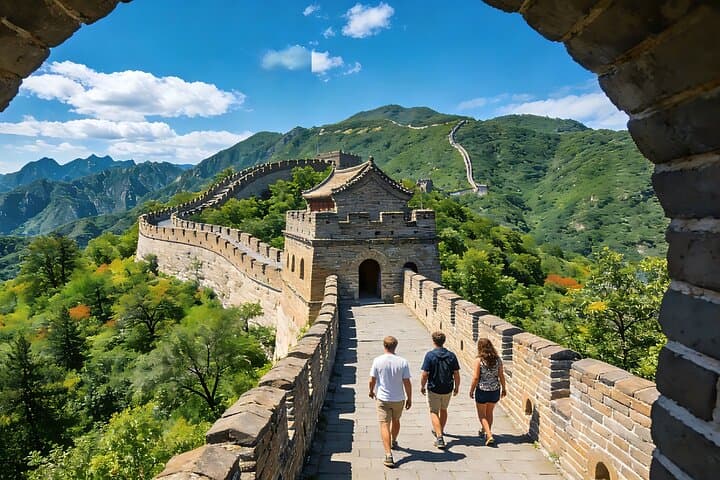
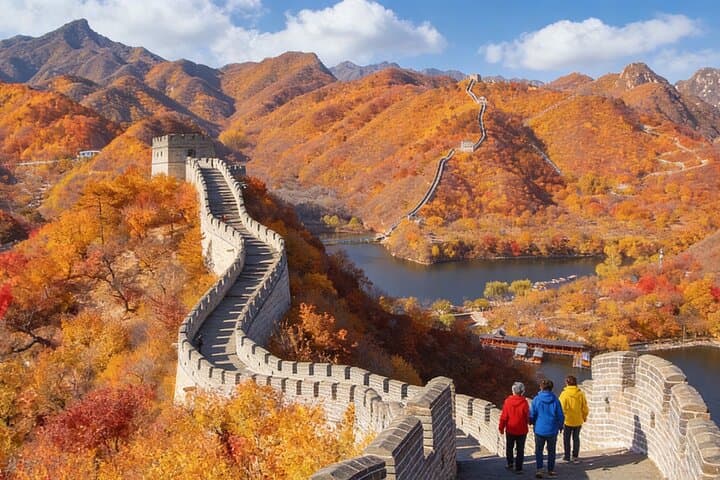
You leave Beijing before the city fully wakes: the road loosens, highway sound fades, and the wall rises out of pine-scarred ridgelines. Mutianyu greets you first—rows of stone watchtowers marching over rounded peaks, tourists clustering at the cable car and toboggan launch. Later the route shifts: Huanghuacheng opens with a reservoir glittering below a patch of weathered masonry, steeper, quieter stretches of wall that feel as if they were waiting for only a few footprints.
Verified experiences and guided adventures in the surrounding area.
Operated by Beijing Driver Guide Service · Beijing, Beijing
You leave Beijing before the city fully wakes: the road loosens, highway sound fades, and the wall rises out of pine-scarred ridgelines. Mutianyu greets you first—rows of stone watchtowers marching over rounded peaks, tourists clustering at the cable car and toboggan launch. Later the route shifts: Huanghuacheng opens with a reservoir glittering below a patch of weathered masonry, steeper, quieter stretches of wall that feel as if they were waiting for only a few footprints.
Both sections are Ming-dynasty engineering made visible: Mutianyu’s restored battlements and 23 watchtowers span a 2.25 km walk, built to link signaling points across ridges. Huanghuacheng keeps a wilder character—towers lean, steps vary in height, and water laps near lower ramparts where a reservoir meets the wall. Locally, these places frame village life and seasonal farming rhythms; guides often share stories of the wall’s military function and later restoration efforts.
Practical guidance: this private transfer runs 8–9 hours with hotel pickup inside Beijing’s 4th Ring Road and roughly 1–1.5 hours driving each way. Choose driver-only for flexible, independent exploration; add a private guide to get historical context, route choices, and photo help. Entrance fees, cable cars, and toboggan rides aren’t included—carry yuan or card.
Expect mixed terrain: paved walkways at Mutianyu, uneven stone and loose footing at Huanghuacheng. Good hiking shoes, layered clothing, sun protection, and 1–2 liters of water are sensible. Aim for a weekday morning to minimize crowds at Mutianyu; at Huanghuacheng, give yourself time for slower, exploratory hiking and reservoir views.
easy.
8–9 hours.
Suitable for travelers in general good health who can handle multiple short climbs and stair sections across paved and unpaved terrain.
Expect about 1–1.5 hours driving each way depending on traffic; the full experience with exploration lasts roughly 8–9 hours including transfers.
No—entrance tickets, cable car rides, and toboggan tickets are paid on-site; the transfer covers transport and optional guide service only.
Yes—infants can ride in a stroller and must sit on an adult’s lap in the vehicle; consider the physical demands of stairs and uneven terrain at Huanghuacheng.
Drivers primarily speak Chinese but are equipped with translation apps; booking the driver + private guide package ensures English interpretation and historical context.
Both sections were substantially fortified during the Ming dynasty (14th–17th centuries) as part of defensive lines; Mutianyu has seen extensive restoration while Huanghuacheng retains more original, weathered masonry.
Visitor pressure is concentrated at restored sections—practice Leave No Trace and follow local signage; supporting responsible guides helps fund maintenance and community stewardship.
Beijing Driver Guide Service operates guided outdoor trips and adventures with an emphasis on safety, stewardship, and memorable experiences.

You leave Beijing before the city fully wakes: the road loosens, highway sound fades, and the wall rises out of pine-scarred ridgelines. Mutianyu greets you first—rows of stone watchtowers marching over rounded peaks, tourists clustering at the cable car and toboggan launch. Later the route shifts: Huanghuacheng opens with a reservoir glittering below a patch of weathered masonry, steeper, quieter stretches of wall that feel as if they were waiting for only a few footprints.
You leave Beijing before the city fully wakes: the road loosens, highway sound fades, and the wall rises out of pine-scarred ridgelines. Mutianyu greets you first—rows of stone watchtowers marching over rounded peaks, tourists clustering at the cable car and toboggan launch. Later the route shifts: Huanghuacheng opens with a reservoir glittering below a patch of weathered masonry, steeper, quieter stretches of wall that feel as if they were waiting for only a few footprints.
Both sections are Ming-dynasty engineering made visible: Mutianyu’s restored battlements and 23 watchtowers span a 2.25 km walk, built to link signaling points across ridges. Huanghuacheng keeps a wilder character—towers lean, steps vary in height, and water laps near lower ramparts where a reservoir meets the wall. Locally, these places frame village life and seasonal farming rhythms; guides often share stories of the wall’s military function and later restoration efforts.
Practical guidance: this private transfer runs 8–9 hours with hotel pickup inside Beijing’s 4th Ring Road and roughly 1–1.5 hours driving each way. Choose driver-only for flexible, independent exploration; add a private guide to get historical context, route choices, and photo help. Entrance fees, cable cars, and toboggan rides aren’t included—carry yuan or card.
Expect mixed terrain: paved walkways at Mutianyu, uneven stone and loose footing at Huanghuacheng. Good hiking shoes, layered clothing, sun protection, and 1–2 liters of water are sensible. Aim for a weekday morning to minimize crowds at Mutianyu; at Huanghuacheng, give yourself time for slower, exploratory hiking and reservoir views.