THE ADVENTURE COLLECTIVE® · Independent discovery and booking for outdoor travel

Skip the taxi hunt: a dedicated bus or private car transfer from Beijing delivers you to Mutianyu’s quieter, well-preserved stretch of the Great Wall. Expect a comfortable ride, clear instructions, and more time walking the Wall than worrying about logistics.
Skip the taxi hunt: a dedicated bus or private car transfer from Beijing delivers you to Mutianyu’s quieter, well-preserved stretch of the Great Wall. Expect a comfortable ride, clear instructions, and more time walking the Wall than worrying about logistics.
You step out of the air-conditioned vehicle under a clear sky and the Wall rises, stone by stone, up the forested ridge—its watchtowers like deliberate pauses along a long conversation. The drive from central Beijing winds through suburban neighborhoods and then climbs into Huairou’s rolling hills; by the time you arrive the noise of the city has thinned and the mountain air takes over.
Verified experiences and guided adventures in the surrounding area.
Operated by Yida Travel · Huairou, Beijing
You step out of the air-conditioned vehicle under a clear sky and the Wall rises, stone by stone, up the forested ridge—its watchtowers like deliberate pauses along a long conversation. The drive from central Beijing winds through suburban neighborhoods and then climbs into Huairou’s rolling hills; by the time you arrive the noise of the city has thinned and the mountain air takes over.
Mutianyu is a well-restored Ming-dynasty section of the Great Wall, rebuilt and expanded between the 14th and 17th centuries to guard the northern approaches to the capital. The local granite bedrock creates steep buttresses and firm footing; terraces and watchtowers follow the contour lines, offering panoramic sightlines where soldiers once scanned the horizon. The surrounding villages and Huairou district add a rural counterpoint—simple tea houses, small farms, and the occasional shepherd dog.
Practical travel-wise, a dedicated bus or private car transfer from Beijing shaves hours off transit time and avoids the logistics of multiple transfers. Options typically include roundtrip pickup, comfortable seating, English announcements on shared buses, and entry tickets; private cars add flexibility and family-friendly stops. Plan for moderate walking: many stair sections and exposed summits. Bring water, sturdy shoes, and sun protection. Peak hours are late morning; early departures mean cooler air and thinner crowds. If you want views without the climb, the cable car up and the toboggan down offer alternatives that save legs and add a bit of fun. With sensible pacing, a transfer service turns Mutianyu from an all-day navigation puzzle into a straightforward, memorable day outside Beijing.
moderate.
6–8 hours (including travel time).
Suitable for travelers who can climb multiple flights of stairs and walk several kilometers on uneven stone; basic stamina required.
Depending on traffic and pickup location, expect roughly 60–90 minutes each way; private cars can be faster from northern neighborhoods.
Many transfer options include entrance tickets; confirm at booking—some shared-bus options add a separate ticket or optional extras like cable car fares.
Mutianyu scenic area has limited wheelchair access: the lower plazas and some service roads are reachable, but the restored wall and towers have stairs and uneven surfaces.
Yes; most transfers are roundtrip and scheduled as a full-day excursion, allowing several hours at the wall before returning to Beijing.
Mutianyu’s stone fortifications were largely rebuilt during the Ming dynasty (14th–17th centuries) to secure the approaches to Beijing; many watchtowers and battlements seen today date from those efforts.
Stick to marked paths, carry out all trash, and buy tickets or use licensed transfers—fees and managed access fund ongoing restoration and visitor management.
Yida Travel operates guided outdoor trips and adventures with an emphasis on safety, stewardship, and memorable experiences.
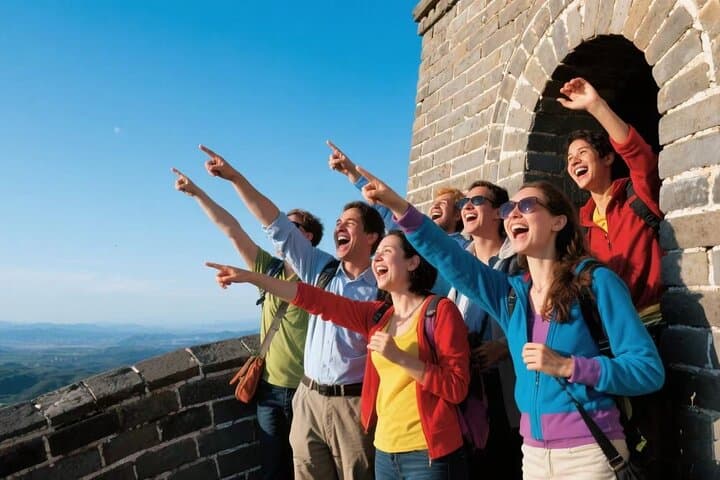
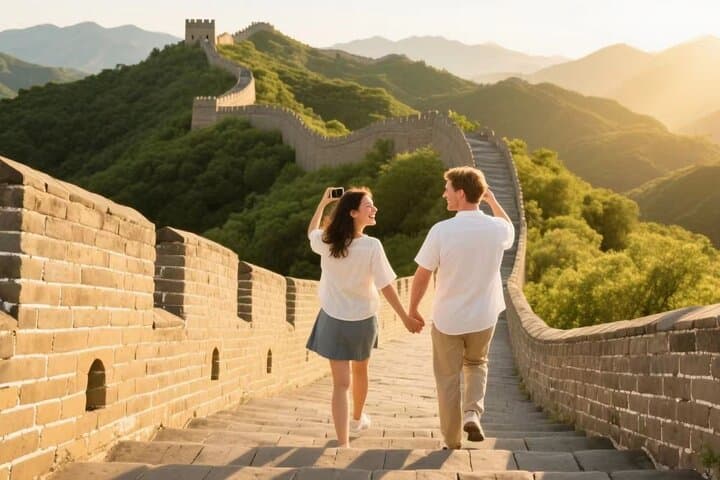
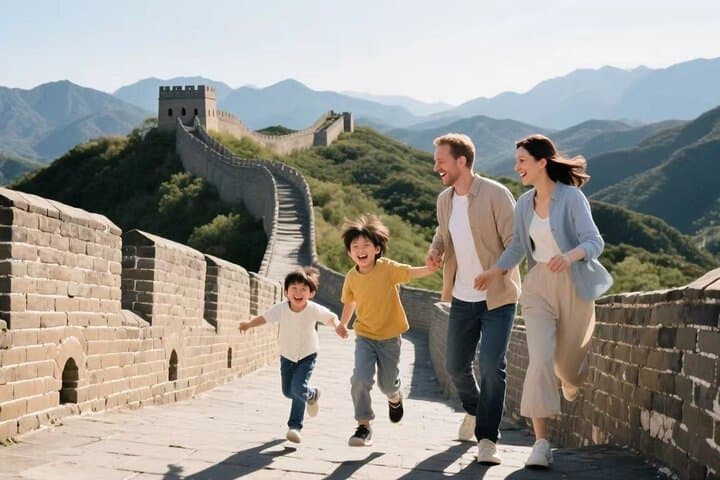
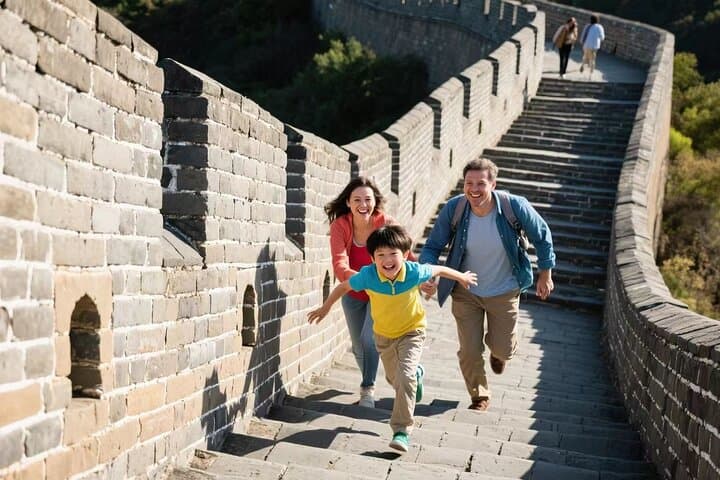
You step out of the air-conditioned vehicle under a clear sky and the Wall rises, stone by stone, up the forested ridge—its watchtowers like deliberate pauses along a long conversation. The drive from central Beijing winds through suburban neighborhoods and then climbs into Huairou’s rolling hills; by the time you arrive the noise of the city has thinned and the mountain air takes over.
You step out of the air-conditioned vehicle under a clear sky and the Wall rises, stone by stone, up the forested ridge—its watchtowers like deliberate pauses along a long conversation. The drive from central Beijing winds through suburban neighborhoods and then climbs into Huairou’s rolling hills; by the time you arrive the noise of the city has thinned and the mountain air takes over.
Mutianyu is a well-restored Ming-dynasty section of the Great Wall, rebuilt and expanded between the 14th and 17th centuries to guard the northern approaches to the capital. The local granite bedrock creates steep buttresses and firm footing; terraces and watchtowers follow the contour lines, offering panoramic sightlines where soldiers once scanned the horizon. The surrounding villages and Huairou district add a rural counterpoint—simple tea houses, small farms, and the occasional shepherd dog.
Practical travel-wise, a dedicated bus or private car transfer from Beijing shaves hours off transit time and avoids the logistics of multiple transfers. Options typically include roundtrip pickup, comfortable seating, English announcements on shared buses, and entry tickets; private cars add flexibility and family-friendly stops. Plan for moderate walking: many stair sections and exposed summits. Bring water, sturdy shoes, and sun protection. Peak hours are late morning; early departures mean cooler air and thinner crowds. If you want views without the climb, the cable car up and the toboggan down offer alternatives that save legs and add a bit of fun. With sensible pacing, a transfer service turns Mutianyu from an all-day navigation puzzle into a straightforward, memorable day outside Beijing.