THE ADVENTURE COLLECTIVE® · Independent discovery and booking for outdoor travel

Skip the shuttle lines and take a direct return bus from Beijing to Mutianyu for five hours of hiking among restored watchtowers and forested ridges. Practical tips on timing, tickets, and what to pack to make the most of your day.
Skip the shuttle lines and take a direct return bus from Beijing to Mutianyu for five hours of hiking among restored watchtowers and forested ridges. Practical tips on timing, tickets, and what to pack to make the most of your day.
You step off the coach into a cool, high valley where stone stairs ribbon upward and the first crenelated tower looms like a gray tooth against the sky. Wind threads through the pine and larch, carrying the faint sound of other hikers and the distant hum of Beijing receding behind you.
Verified experiences and guided adventures in the surrounding area.
Operated by BeijingLandscapes · Beijing, Beijing
You step off the coach into a cool, high valley where stone stairs ribbon upward and the first crenelated tower looms like a gray tooth against the sky. Wind threads through the pine and larch, carrying the faint sound of other hikers and the distant hum of Beijing receding behind you.
Mutianyu occupies a long, vegetated spine of the Great Wall rebuilt mainly in the Ming dynasty atop earlier fortifications; its watchtowers and battlements were designed to control mountain passes and signal troop movements. The local geology is a mix of granite outcrops and well-drained soils that support dense tree cover—one reason this section is about 96% vegetated. Nearby village culture still serves simple northern Chinese food; a dumpling restaurant sits at the wall’s base and often offers discounted meals for tour groups.
On this run, an air-conditioned return bus takes you directly to the foot of the wall, bypassing longer shuttle lines, and gives you roughly five hours to explore restored ramps and steep stone stairways. Hike from the lower gates up to the series of watchtowers for sweeping valley views; where steps soften, take the less-restored stretches for a quieter feel.
Practical guidance: wear sturdy shoes with good grip, bring 1–2 liters of water and sun protection, and budget time for steep, uneven stairs. Tickets and optional cable car or chairlift are handled by the guide to streamline access. Expect variable weather—dress in layers and carry a light rain shell. Respect ropes and signs: many towers are fragile despite restoration work.
moderate.
5–8 hours.
Suitable for hikers with moderate fitness who can manage prolonged stair climbs and uneven terrain
Expect roughly 1–1.5 hours each way depending on traffic; schedules list three departure windows (08:00, 09:00, 10:00).
Entry and cable-car tickets are not automatically included but the tour guide handles purchasing them on your behalf without extra service fees if you choose to buy through the operator.
The route is family-friendly in short sections, but steep stairs may be strenuous—plan rest breaks and consider the cable car for one-way travel.
The operator may cancel for heavy rain or unsafe conditions; otherwise bring rain protection as visibility and footing can be affected by showers.
Mutianyu preserves Ming dynasty rebuilding on older defensive lines; its dense sequence of watchtowers reflects strategic control of mountain approaches to Beijing.
High foot traffic stresses restored masonry—stay on marked paths, pack out waste, and follow local signage to protect stonework and surrounding forest.
BeijingLandscapes operates guided outdoor trips and adventures with an emphasis on safety, stewardship, and memorable experiences.
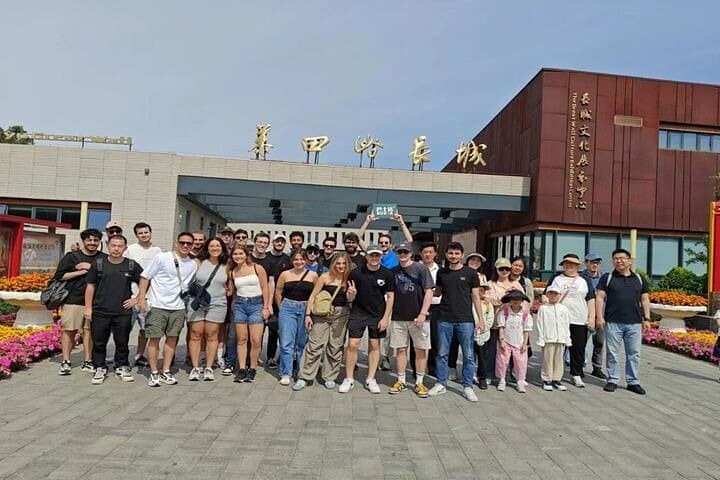
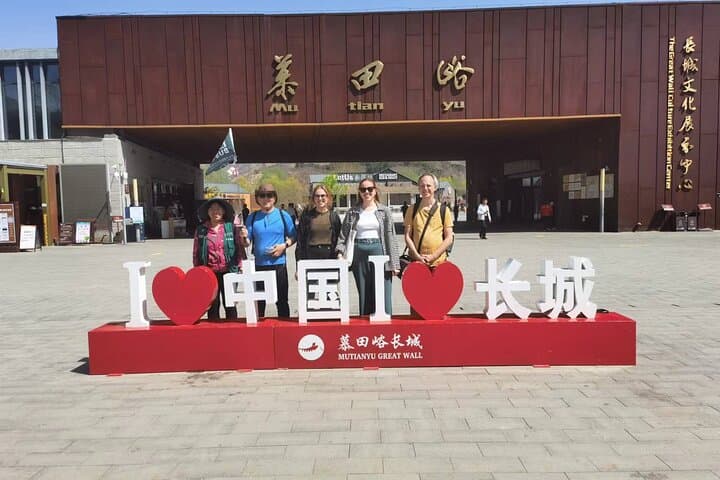
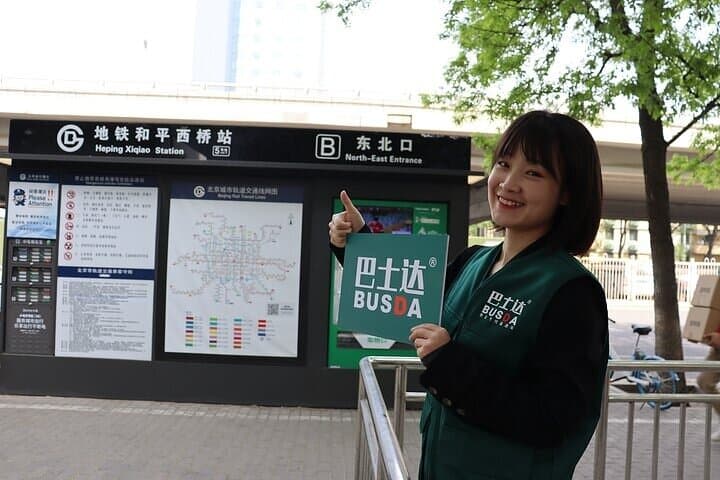
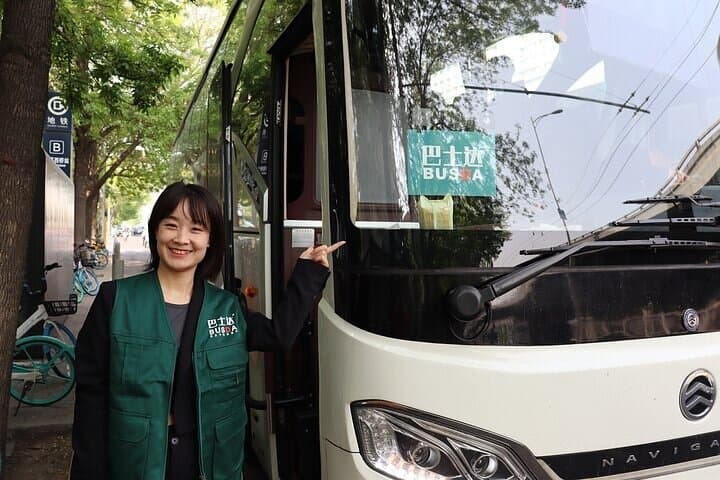
You step off the coach into a cool, high valley where stone stairs ribbon upward and the first crenelated tower looms like a gray tooth against the sky. Wind threads through the pine and larch, carrying the faint sound of other hikers and the distant hum of Beijing receding behind you.
You step off the coach into a cool, high valley where stone stairs ribbon upward and the first crenelated tower looms like a gray tooth against the sky. Wind threads through the pine and larch, carrying the faint sound of other hikers and the distant hum of Beijing receding behind you.
Mutianyu occupies a long, vegetated spine of the Great Wall rebuilt mainly in the Ming dynasty atop earlier fortifications; its watchtowers and battlements were designed to control mountain passes and signal troop movements. The local geology is a mix of granite outcrops and well-drained soils that support dense tree cover—one reason this section is about 96% vegetated. Nearby village culture still serves simple northern Chinese food; a dumpling restaurant sits at the wall’s base and often offers discounted meals for tour groups.
On this run, an air-conditioned return bus takes you directly to the foot of the wall, bypassing longer shuttle lines, and gives you roughly five hours to explore restored ramps and steep stone stairways. Hike from the lower gates up to the series of watchtowers for sweeping valley views; where steps soften, take the less-restored stretches for a quieter feel.
Practical guidance: wear sturdy shoes with good grip, bring 1–2 liters of water and sun protection, and budget time for steep, uneven stairs. Tickets and optional cable car or chairlift are handled by the guide to streamline access. Expect variable weather—dress in layers and carry a light rain shell. Respect ropes and signs: many towers are fragile despite restoration work.