THE ADVENTURE COLLECTIVE® · Independent discovery and booking for outdoor travel

Skip the logistics and let an English-speaking driver deliver you to Mutianyu’s stone spine for independent exploration. This private transfer gives flexible pickup from Beijing and time to hike towers, ride the cable car, or enjoy sunset views.
Skip the logistics and let an English-speaking driver deliver you to Mutianyu’s stone spine for independent exploration. This private transfer gives flexible pickup from Beijing and time to hike towers, ride the cable car, or enjoy sunset views.
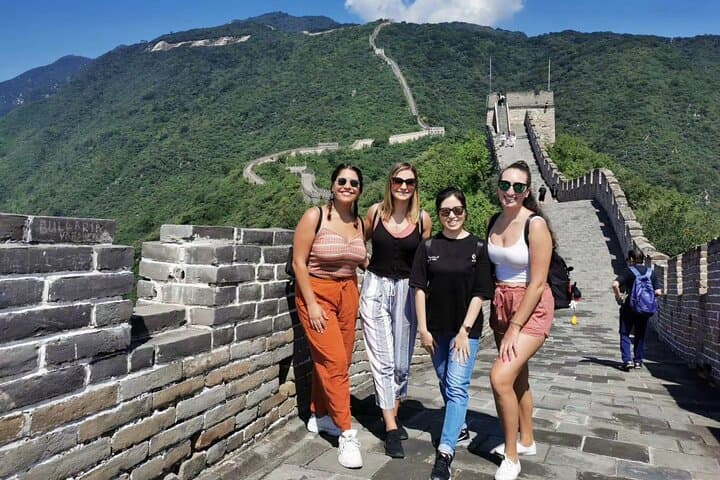
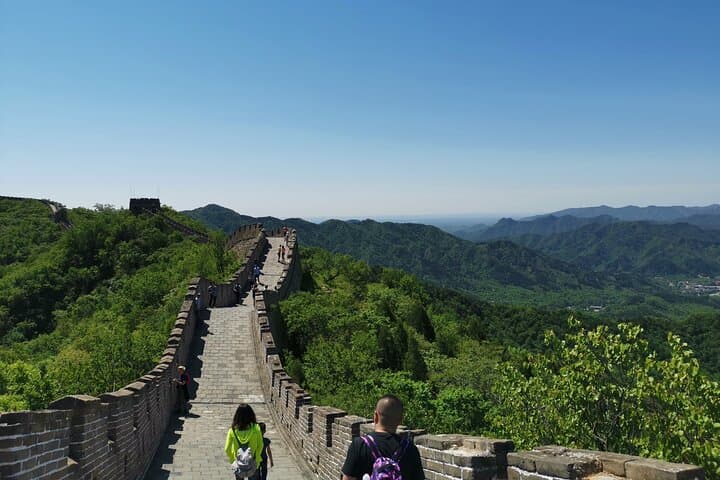
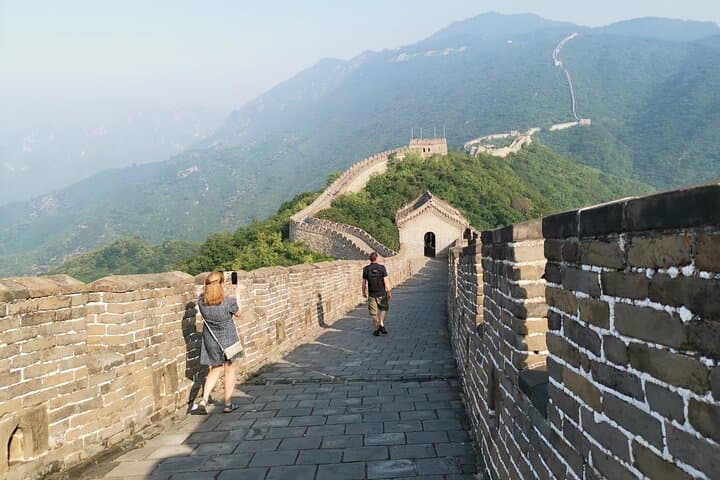
You round a last commuter overpass and suddenly the city loosens its grip: pines slope down toward a ribbon of stone that climbs the ridge like a human-made river. Mutianyu's watched towers stand in a repeating rhythm, their crenellations cutting the sky while traffic noise fades to bird calls.
Verified experiences and guided adventures in the surrounding area.
Operated by [email protected] · Beijing, Beijing
You round a last commuter overpass and suddenly the city loosens its grip: pines slope down toward a ribbon of stone that climbs the ridge like a human-made river. Mutianyu's watched towers stand in a repeating rhythm, their crenellations cutting the sky while traffic noise fades to bird calls.
The Mutianyu section—fortified in the Ming dynasty on older strategic lines—was rebuilt where the mountains pinch the route toward northeast China. Granite and brick steps rise, fall and pivot along ridgelines; some stretches are restored with broad walking surfaces, others keep sharper, steep staircases that test pace and ankles. Geologically the area is weathered granite and schist; trails can be loose after rain and gain elevation quickly as you move between towers.
Local life around Mutianyu is agricultural and increasingly service-oriented: small eateries and souvenir stalls serve visitors, and English-speaking drivers and shuttle services link the wall to Beijing’s urban neighborhoods. The experience balances history and workout—climbing towers that once hosted lookouts while modern cable cars and toboggans offer gentler options.
Practically, plan for about 70–80 km and a 1–1.5 hour drive from central Beijing, with roughly 3–4 hours on site if you want a relaxed visit. Wear supportive shoes for uneven stone steps, carry water and sun protection, and buy admissions or cable-car tickets at the park entrance if you haven’t pre-purchased. Early morning or late afternoon reduces crowds and brings cleaner air and long shadows that highlight the wall’s contours.
moderate.
7–8 hours.
Moderate fitness—comfortable walking ability and stair-climbing for several hours; not technical but physically active.
No—admission and cable-car or toboggan tickets are not included in the transfer; drivers can help you buy them at the parking area.
Pickup is arranged within Beijing’s 4th Ring Road—provide your hotel address or a specific meeting point when booking.
Yes—many sections are family-friendly, but stairs can be steep; consider the cable car or toboggan for those who prefer less climbing.
Full refund is available if you cancel at least 24 hours before the scheduled departure time.
Mutianyu occupies a strategic Ming-dynasty rebuilding of older northern defenses; many of its towers and walls were renovated between the 14th and 17th centuries.
Visitor pressure challenges local ecosystems—stick to marked trails, take your litter home, and use designated access points to protect vegetation and ongoing restoration work.
[email protected] operates guided outdoor trips and adventures with an emphasis on safety, stewardship, and memorable experiences.
You round a last commuter overpass and suddenly the city loosens its grip: pines slope down toward a ribbon of stone that climbs the ridge like a human-made river. Mutianyu's watched towers stand in a repeating rhythm, their crenellations cutting the sky while traffic noise fades to bird calls.
You round a last commuter overpass and suddenly the city loosens its grip: pines slope down toward a ribbon of stone that climbs the ridge like a human-made river. Mutianyu's watched towers stand in a repeating rhythm, their crenellations cutting the sky while traffic noise fades to bird calls.
The Mutianyu section—fortified in the Ming dynasty on older strategic lines—was rebuilt where the mountains pinch the route toward northeast China. Granite and brick steps rise, fall and pivot along ridgelines; some stretches are restored with broad walking surfaces, others keep sharper, steep staircases that test pace and ankles. Geologically the area is weathered granite and schist; trails can be loose after rain and gain elevation quickly as you move between towers.
Local life around Mutianyu is agricultural and increasingly service-oriented: small eateries and souvenir stalls serve visitors, and English-speaking drivers and shuttle services link the wall to Beijing’s urban neighborhoods. The experience balances history and workout—climbing towers that once hosted lookouts while modern cable cars and toboggans offer gentler options.
Practically, plan for about 70–80 km and a 1–1.5 hour drive from central Beijing, with roughly 3–4 hours on site if you want a relaxed visit. Wear supportive shoes for uneven stone steps, carry water and sun protection, and buy admissions or cable-car tickets at the park entrance if you haven’t pre-purchased. Early morning or late afternoon reduces crowds and brings cleaner air and long shadows that highlight the wall’s contours.