THE ADVENTURE COLLECTIVE® · Independent discovery and booking for outdoor travel

Choose a private Mutianyu experience that balances history and effort: ride the cable car for panoramic perspective or climb steep Ming-era steps to find quieter, ruined stretches. This guide explains what to expect and how to prepare.
Choose a private Mutianyu experience that balances history and effort: ride the cable car for panoramic perspective or climb steep Ming-era steps to find quieter, ruined stretches. This guide explains what to expect and how to prepare.
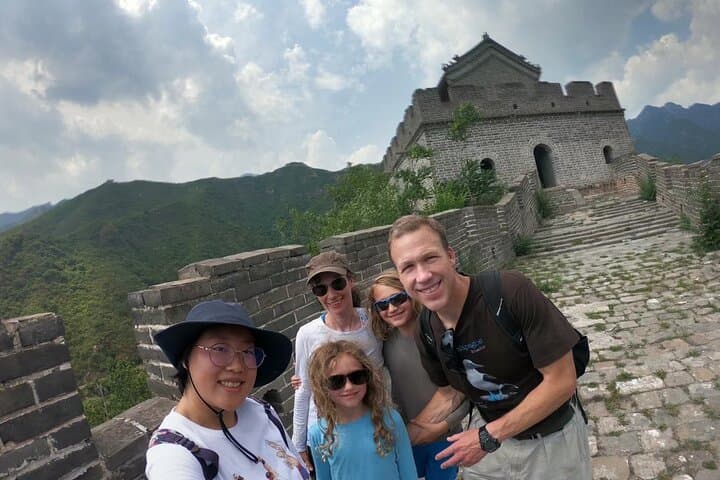
You step out of the van and the wall looms across a shoulder of granite, its stone steps cutting a clear, human-made ridge against the sky. At Mutianyu the Great Wall doesn’t hide — it stakes a claim on the hillside, alternately worn and renovated, daring you to choose the slow ascent by cable car or the raw rhythm of stairs.
Verified experiences and guided adventures in the surrounding area.
Operated by Martina Wang · Beijing, Beijing
You step out of the van and the wall looms across a shoulder of granite, its stone steps cutting a clear, human-made ridge against the sky. At Mutianyu the Great Wall doesn’t hide — it stakes a claim on the hillside, alternately worn and renovated, daring you to choose the slow ascent by cable car or the raw rhythm of stairs.
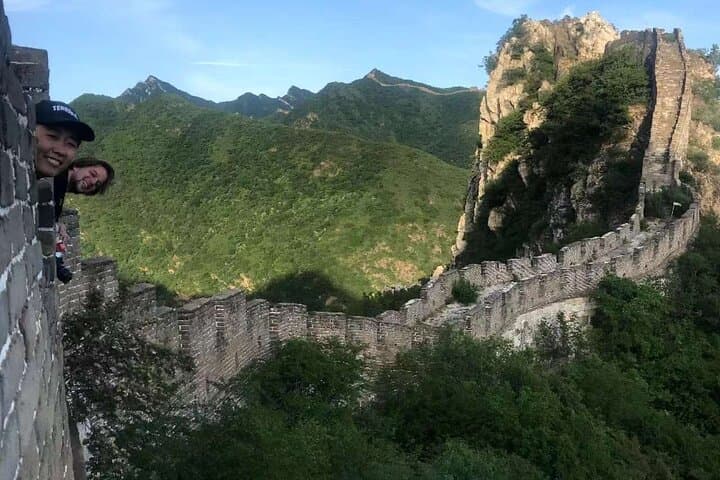
Mutianyu dates largely to the Ming dynasty, when builders rebuilt and expanded older defenses into the wide crenellations you see today. Geology here is hard granite interrupted by shallow soils, which gives the Wall a firm foothold and yields dramatic short views: watchtowers punctuate the ridgeline like milestones and valleys fold away below.
Local life still orbits the Wall — small farm plots, relaxed vendors, and nearby Gubei Water Town, where Ming-era style architecture and riverside lanes offer a quieter cultural follow-up to the hike. Guides on private tours can point out masonry repair techniques, tell stories of military signaling, and show you parts of the Wall that feel less sanitized by tourism.
Practical guidance: plan for uneven stone steps and sections that are steep but short; the full on-wall hike can be 3–4 hours at a steady pace, or you can combine the cable car both ways to reduce strain. Bring layers, sun protection, and at least 1–1.5 liters of water per person, and start early to avoid crowds and afternoon haze.
Whether you pick cable car views or a rigorous stair climb, Mutianyu delivers history, physical challenge, and wide landscape that rewards steady attention rather than speed.
moderate.
6–7 hours (total tour time).
Suitable for people who can walk several hours on uneven stone and negotiate steep stairs; cable car option reduces exertion.
This private tour includes cable car tickets as described; your guide will handle entry and ticketing on arrival.
Yes — cable car options make the visit accessible for families and those who prefer to avoid steep stairs; strollers are possible in some areas but sections have steps.
Expect 3–4 hours of on-wall hiking if you explore multiple watchtowers; you can shorten this by using the cable car both ways.
Entrance and cable car fees are included; the tour includes hotel pickup and return as stated in the itinerary.
Mutianyu was rebuilt and expanded by the Ming dynasty; its watchtowers and stepped fortifications were part of a larger defensive network around Beijing.
Visitor pressure and informal trails cause erosion; follow marked paths, avoid graffiti, and support local preservation by using official vendors.
Martina Wang operates guided outdoor trips and adventures with an emphasis on safety, stewardship, and memorable experiences.


You step out of the van and the wall looms across a shoulder of granite, its stone steps cutting a clear, human-made ridge against the sky. At Mutianyu the Great Wall doesn’t hide — it stakes a claim on the hillside, alternately worn and renovated, daring you to choose the slow ascent by cable car or the raw rhythm of stairs.
You step out of the van and the wall looms across a shoulder of granite, its stone steps cutting a clear, human-made ridge against the sky. At Mutianyu the Great Wall doesn’t hide — it stakes a claim on the hillside, alternately worn and renovated, daring you to choose the slow ascent by cable car or the raw rhythm of stairs.
Mutianyu dates largely to the Ming dynasty, when builders rebuilt and expanded older defenses into the wide crenellations you see today. Geology here is hard granite interrupted by shallow soils, which gives the Wall a firm foothold and yields dramatic short views: watchtowers punctuate the ridgeline like milestones and valleys fold away below.
Local life still orbits the Wall — small farm plots, relaxed vendors, and nearby Gubei Water Town, where Ming-era style architecture and riverside lanes offer a quieter cultural follow-up to the hike. Guides on private tours can point out masonry repair techniques, tell stories of military signaling, and show you parts of the Wall that feel less sanitized by tourism.
Practical guidance: plan for uneven stone steps and sections that are steep but short; the full on-wall hike can be 3–4 hours at a steady pace, or you can combine the cable car both ways to reduce strain. Bring layers, sun protection, and at least 1–1.5 liters of water per person, and start early to avoid crowds and afternoon haze.
Whether you pick cable car views or a rigorous stair climb, Mutianyu delivers history, physical challenge, and wide landscape that rewards steady attention rather than speed.