THE ADVENTURE COLLECTIVE® · Independent discovery and booking for outdoor travel

Spend half a day on the Mutianyu section of the Great Wall with private hotel pick‑up. Hike between restored watchtowers, choose a cable‑car ascent or a toboggan descent, and return to Beijing the same day.
Spend half a day on the Mutianyu section of the Great Wall with private hotel pick‑up. Hike between restored watchtowers, choose a cable‑car ascent or a toboggan descent, and return to Beijing the same day.
You arrive at Mutianyu with the road unwinding behind you and the wall rising ahead — a stone spine running over the ridgeline, watchtowers punctuating the horizon. The trees on either side dare you forward, their colors changing with the season while the wind pushes along the crenellations.
Verified experiences and guided adventures in the surrounding area.
Operated by Jenny's Guide & Driver Service · Beijing, Beijing
You arrive at Mutianyu with the road unwinding behind you and the wall rising ahead — a stone spine running over the ridgeline, watchtowers punctuating the horizon. The trees on either side dare you forward, their colors changing with the season while the wind pushes along the crenellations.
Mutianyu is a Ming‑era section of the Great Wall rebuilt with bricks and stone in the 14th century to guard approaches to Beijing. The wall sits on the lower ranges of the Yan Mountains; its construction uses local masonry and quarried stone that follow the natural topography, producing steep flights of steps and level stretches between watchtowers. Nearby villages and Gubei Water Town reflect regional culture — small farms, mountain‑road vendors and teahouses that serve simple northern Chinese fare.
On a private transfer from Beijing (about 1.5 hours each way) you typically get roughly three hours on the wall to walk as far as you like. Drivers assist with tickets and drop you near the ascent; optional extras include a cable car up or a toboggan descent at your own cost. Expect uneven stone steps and sudden grade changes; many visitors prefer to walk between the towers for views and photography.
Practical tips: start early to avoid weekend crowds, bring sturdy shoes and water, and allow time for sun and wind exposure on exposed ridgelines. The private pick‑up model makes timing flexible — useful if you prefer sunrise light or want to skip peak hours.
moderate.
4–8 hours.
Suitable for people who can handle uneven steps, short steep climbs, and 2–6 miles of walking.
Expect about 1.5 hours each way from central Beijing, though traffic can add time during peak travel periods.
No — they are optional extras paid locally; the driver will take you to the ticket area but those tickets are not covered by the basic fare.
The site is family‑friendly, but the wall has many steps and uneven surfaces; those with limited mobility may find long sections difficult.
Hotel pick‑up/drop‑off, a private air‑conditioned vehicle, bottled water, basic English‑speaking driver assistance, and Great Wall entrance fee and shuttle bus ride as listed.
Mutianyu was rebuilt during the Ming dynasty as part of a defensive line protecting approaches to Beijing and features densely spaced watchtowers designed for signal and troop movement.
Heavy visitation can accelerate erosion on steps and toe‑paths; stick to marked routes, avoid removing stones, and use local services to support community stewardship.
Jenny's Guide & Driver Service operates guided outdoor trips and adventures with an emphasis on safety, stewardship, and memorable experiences.
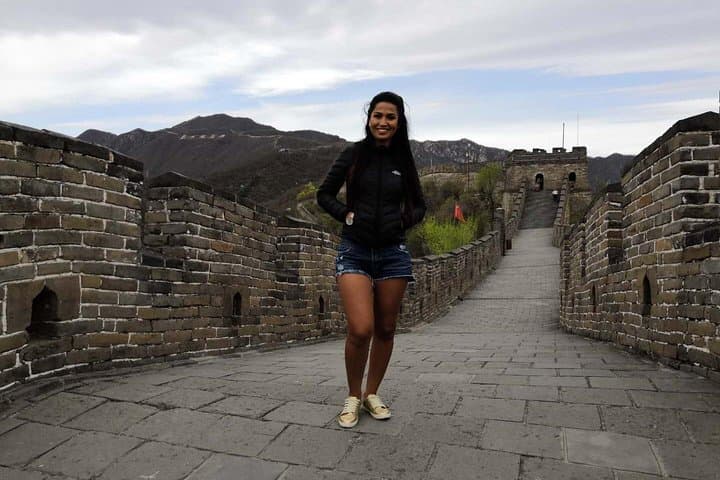
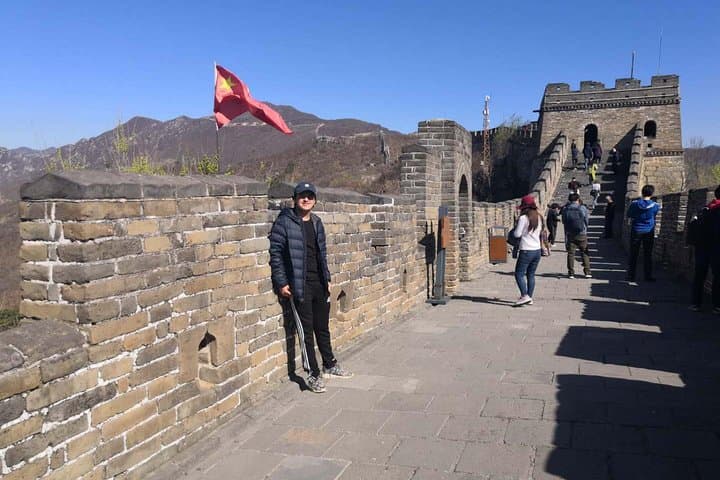
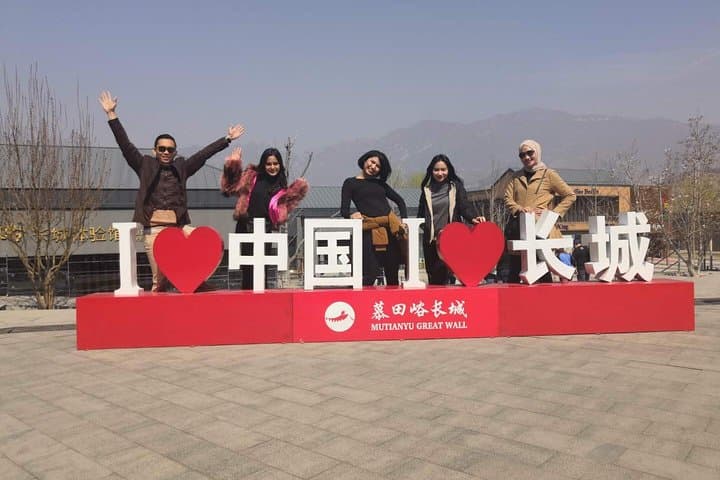
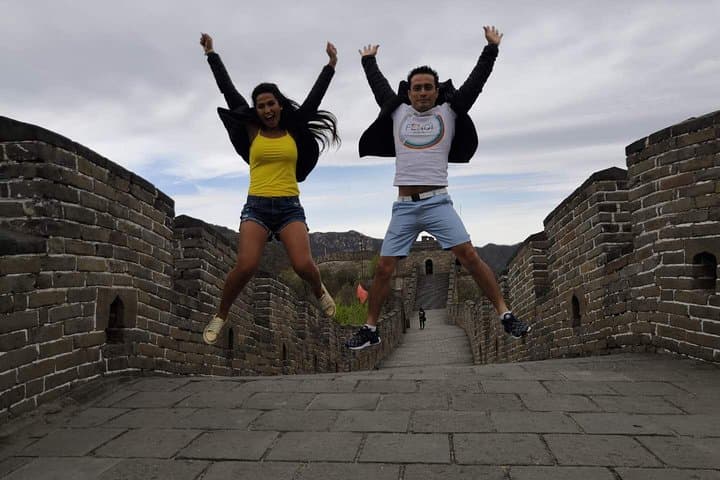
You arrive at Mutianyu with the road unwinding behind you and the wall rising ahead — a stone spine running over the ridgeline, watchtowers punctuating the horizon. The trees on either side dare you forward, their colors changing with the season while the wind pushes along the crenellations.
You arrive at Mutianyu with the road unwinding behind you and the wall rising ahead — a stone spine running over the ridgeline, watchtowers punctuating the horizon. The trees on either side dare you forward, their colors changing with the season while the wind pushes along the crenellations.
Mutianyu is a Ming‑era section of the Great Wall rebuilt with bricks and stone in the 14th century to guard approaches to Beijing. The wall sits on the lower ranges of the Yan Mountains; its construction uses local masonry and quarried stone that follow the natural topography, producing steep flights of steps and level stretches between watchtowers. Nearby villages and Gubei Water Town reflect regional culture — small farms, mountain‑road vendors and teahouses that serve simple northern Chinese fare.
On a private transfer from Beijing (about 1.5 hours each way) you typically get roughly three hours on the wall to walk as far as you like. Drivers assist with tickets and drop you near the ascent; optional extras include a cable car up or a toboggan descent at your own cost. Expect uneven stone steps and sudden grade changes; many visitors prefer to walk between the towers for views and photography.
Practical tips: start early to avoid weekend crowds, bring sturdy shoes and water, and allow time for sun and wind exposure on exposed ridgelines. The private pick‑up model makes timing flexible — useful if you prefer sunrise light or want to skip peak hours.