THE ADVENTURE COLLECTIVE® · Independent discovery and booking for outdoor travel

Spend a full day exploring the Mutianyu section of the Great Wall with an English-speaking guide, combining on-wall hiking, photography, and local insights. This private small-group transfer includes 4 hours at the Wall and flexible pickup/drop-off options within Beijing.
Spend a full day exploring the Mutianyu section of the Great Wall with an English-speaking guide, combining on-wall hiking, photography, and local insights. This private small-group transfer includes 4 hours at the Wall and flexible pickup/drop-off options within Beijing.
Early-morning light slants across stone ramparts as the vehicle eases out of Beijing toward the forested ridgeline of Mutianyu. The Wall climbs and falls like an old road that remembers armies; tourists arrive for views and photographs, but a guide turns that visit into a living map—pointing out construction details, defensive engineering, and the best frames for a wide-angle shot.
Verified experiences and guided adventures in the surrounding area.
Operated by Wayne's Beijing Tour · Beijing, Beijing
Early-morning light slants across stone ramparts as the vehicle eases out of Beijing toward the forested ridgeline of Mutianyu. The Wall climbs and falls like an old road that remembers armies; tourists arrive for views and photographs, but a guide turns that visit into a living map—pointing out construction details, defensive engineering, and the best frames for a wide-angle shot.
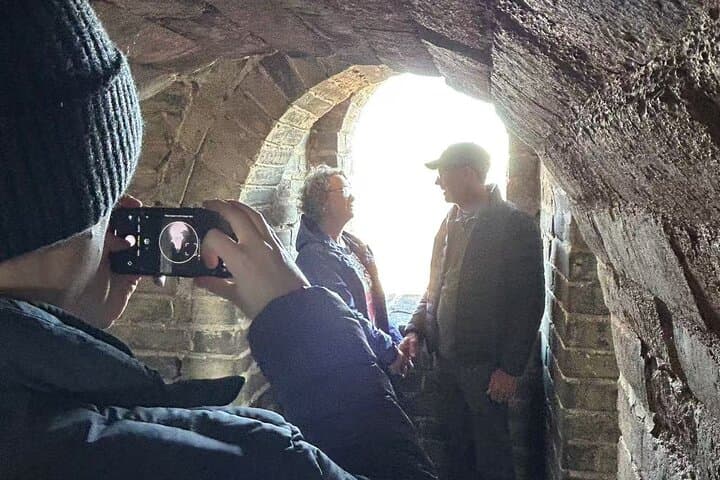
Mutianyu’s core dates back to the Northern Qi (6th century) and was extensively rebuilt in the Ming dynasty; its watchtowers and battlements are solid examples of Ming masonry. Geologically the wall sits on rolling, tree-covered hills of the Yan Mountains foothills, where granite and metamorphic outcrops give the path a firm, sometimes uneven, footing. Local villages around Huairou retain courtyard architecture and street snacks—your guide can recommend savory dumpling stands and sugar-coated hawthorn treats.
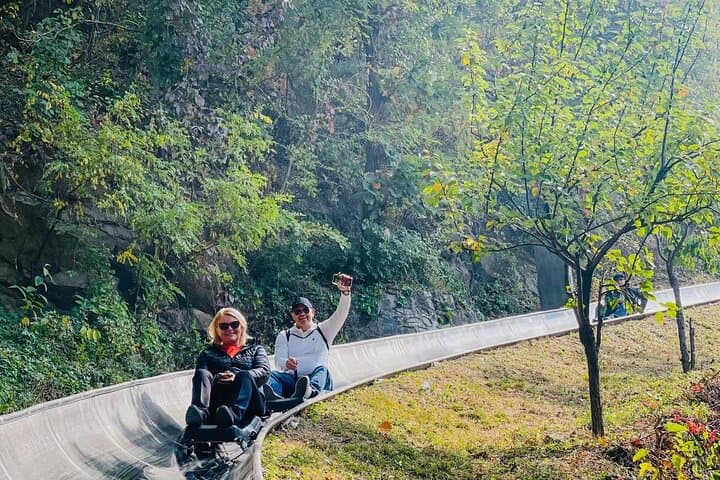
Practically: plan for a 7–8 hour day that includes roughly 4 hours on the Wall. Expect steep stone steps, short scrambles, and long stair sections—good ankle support and steady legs matter. The tour typically includes round-trip air-conditioned transfer, an English-speaking guide, and help with tickets; entrance fees may or may not be included so confirm when booking. Peak light for photography is morning or late afternoon; cable car or chairlift options shorten the ascent if you want less climbing. Stay hydrated, wear layered clothing for changing wind exposure on ridgelines, and leave no trace—this section manages heavy visitation, so use marked paths and facilities. With a guide, the day becomes more than scenic photos: it’s context, culture, and a clearer sense of why this stone line has shaped the region for centuries.
moderate.
7–8 hours.
Moderate fitness: able to climb long flights of stone steps and walk uneven terrain for multiple hours
Ticket inclusion varies—confirm with the operator before booking; guides commonly assist with purchasing tickets if they’re not included.
Expect long flights of stone steps and uneven walking surfaces; it’s moderate exertion but manageable for most walkers with decent fitness.
Yes—this tour includes private round-trip transfer in an air-conditioned vehicle; specific pickup points and airport transfers are usually arranged at booking.
Infants and small children can join but strollers may be limited to flatter approach areas; sections of the Wall require stairs, so bring a carrier for steep segments.
Mutianyu was originally built in the Northern Qi (6th century) and substantially rebuilt during the Ming dynasty as part of Beijing’s northern defenses.
Heavy visitation stresses paths and vegetation—stick to marked trails, avoid removing stones or plants, and support local guides and facilities that fund preservation.
Wayne's Beijing Tour operates guided outdoor trips and adventures with an emphasis on safety, stewardship, and memorable experiences.
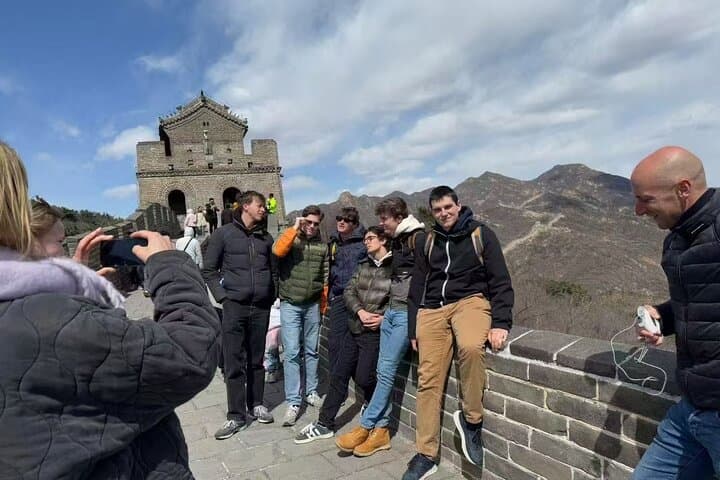
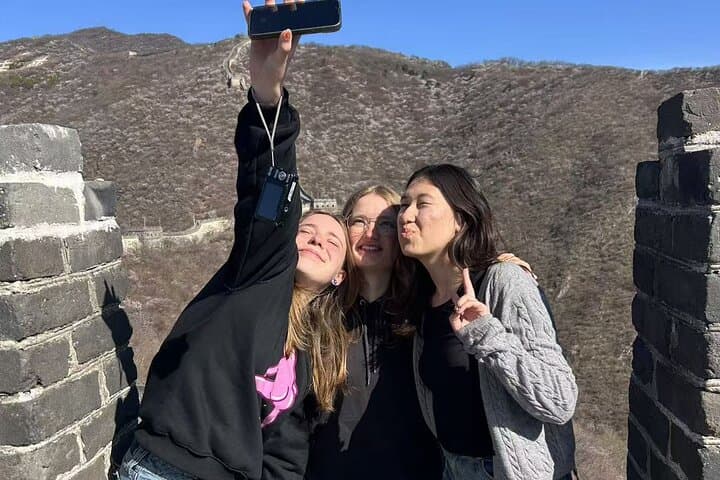
Early-morning light slants across stone ramparts as the vehicle eases out of Beijing toward the forested ridgeline of Mutianyu. The Wall climbs and falls like an old road that remembers armies; tourists arrive for views and photographs, but a guide turns that visit into a living map—pointing out construction details, defensive engineering, and the best frames for a wide-angle shot.
Early-morning light slants across stone ramparts as the vehicle eases out of Beijing toward the forested ridgeline of Mutianyu. The Wall climbs and falls like an old road that remembers armies; tourists arrive for views and photographs, but a guide turns that visit into a living map—pointing out construction details, defensive engineering, and the best frames for a wide-angle shot.
Mutianyu’s core dates back to the Northern Qi (6th century) and was extensively rebuilt in the Ming dynasty; its watchtowers and battlements are solid examples of Ming masonry. Geologically the wall sits on rolling, tree-covered hills of the Yan Mountains foothills, where granite and metamorphic outcrops give the path a firm, sometimes uneven, footing. Local villages around Huairou retain courtyard architecture and street snacks—your guide can recommend savory dumpling stands and sugar-coated hawthorn treats.
Practically: plan for a 7–8 hour day that includes roughly 4 hours on the Wall. Expect steep stone steps, short scrambles, and long stair sections—good ankle support and steady legs matter. The tour typically includes round-trip air-conditioned transfer, an English-speaking guide, and help with tickets; entrance fees may or may not be included so confirm when booking. Peak light for photography is morning or late afternoon; cable car or chairlift options shorten the ascent if you want less climbing. Stay hydrated, wear layered clothing for changing wind exposure on ridgelines, and leave no trace—this section manages heavy visitation, so use marked paths and facilities. With a guide, the day becomes more than scenic photos: it’s context, culture, and a clearer sense of why this stone line has shaped the region for centuries.