THE ADVENTURE COLLECTIVE® · Independent discovery and booking for outdoor travel

Skip the bus and arrive by private car to Mutianyu’s restored ramparts where cable cars, chairlifts and stepped hikes meet sweeping mountain views. This private guided tour pairs historical insight with flexible pacing for photographers and hikers alike.
Skip the bus and arrive by private car to Mutianyu’s restored ramparts where cable cars, chairlifts and stepped hikes meet sweeping mountain views. This private guided tour pairs historical insight with flexible pacing for photographers and hikers alike.
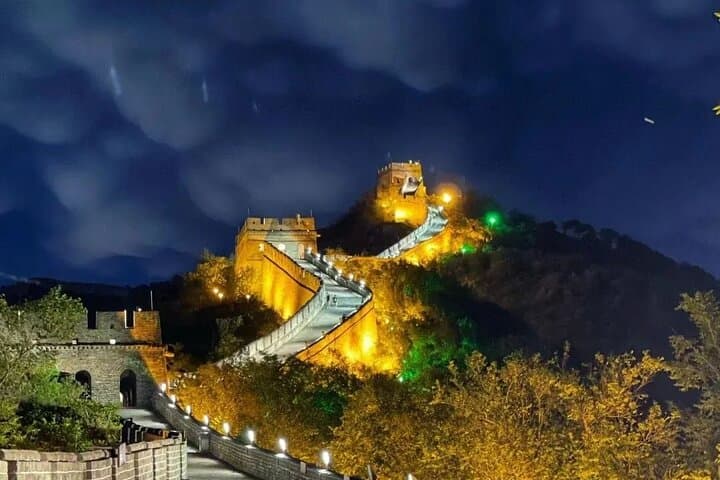
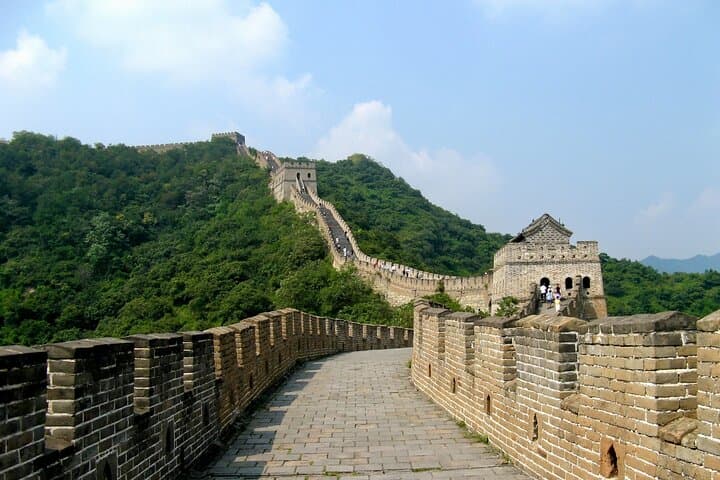
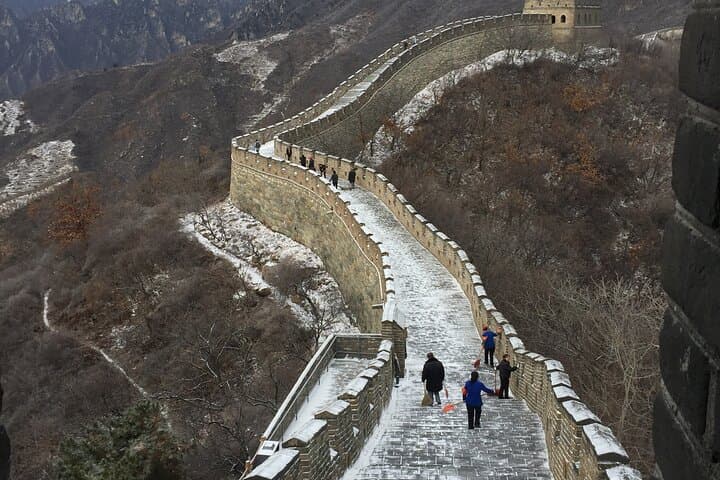
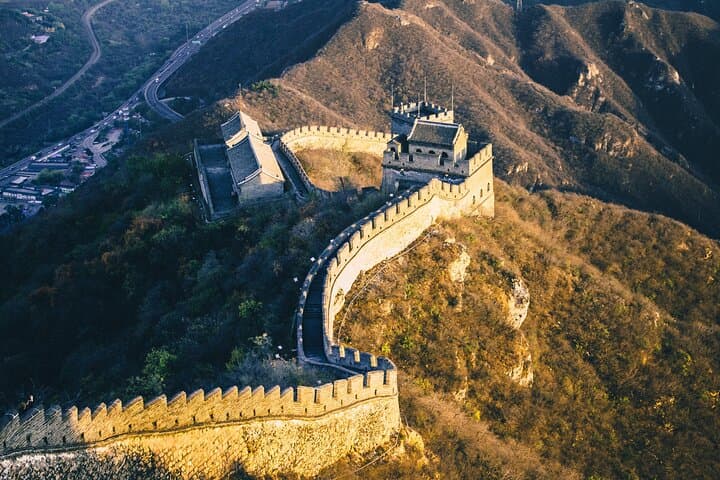
Fog lifts off the ridgeline as you step onto the stone—Mutianyu’s crenellated spine unspools beneath a ring of forested hills, watchtowers standing like deliberate pauses along a long story. The approach from Beijing slips away on a private transfer; within an hour you exchange city signals for wind and the slow rhythm of stepped walkways.
Verified experiences and guided adventures in the surrounding area.
Operated by Zhao's Beijing Tour Guide & Car Service · Beijing, Beijing
Fog lifts off the ridgeline as you step onto the stone—Mutianyu’s crenellated spine unspools beneath a ring of forested hills, watchtowers standing like deliberate pauses along a long story. The approach from Beijing slips away on a private transfer; within an hour you exchange city signals for wind and the slow rhythm of stepped walkways.
Mutianyu is one of the best-preserved and restored sections of the Ming-era Great Wall, built to defend the capital’s northern approaches. Geologically the line follows granite and schist outcrops, forcing construction to climb exposed ridges and anchor towers on rocky shoulders. Locally, the site sits inside Huairou District, where small villages have supplied stone and labor to the wall for centuries.
A private guide with an English driver lets you tailor the day: ride the cable car or chairlift up for easier access, or climb the stone steps for full exertion and sweeping vistas. Along the way, expect close-up looks at arrow slits, parapets, and lattice-like watchtowers; your guide will explain signaling, logistics, and the wall’s role in Ming military strategy while pointing out photo lines and quieter crenellations.
Practical points: the core walking loop at Mutianyu is 2–4 hours depending on stops, with many steep stone steps and uneven footing. Bring layers, sun protection, and water; plan for crowds at mid-day and choose morning light for softer photos. Mobility access is improved by lifts, but steep sections remain—budget time for the climb back down or the toboggan ride if available. With a private vehicle and guide, the day becomes focused on interpretation, pacing, and maximizing scenic windows rather than logistics.
moderate.
3–8 hours.
Suitable for travelers with moderate fitness able to climb many stairs and walk uneven stone surfaces for several hours.
Typical exploration and photo stops take 2–4 hours; with transport and visits it becomes a half- to full-day excursion (3–8 hours total).
Yes—Mutianyu offers both a cable car and chairlift to access higher sections, plus a toboggan option for descent at certain locations.
Yes—because of lifts and a restored path. Young children and older adults may prefer the cable car to reduce stair climbing; guide can adjust the pace accordingly.
Entrance and lift tickets are typically purchased on-site or in advance through operators; a private tour often includes transport but confirm what is covered at booking.
Mutianyu was rebuilt and fortified during the Ming dynasty to guard the northeastern approaches to Beijing, featuring dense placements of watchtowers for signal relays and troop deployments.
Visitor pressure and restoration require careful management—stick to marked paths, avoid climbing parapets, and support local conservation efforts that limit erosion and invasive construction.
Zhao's Beijing Tour Guide & Car Service operates guided outdoor trips and adventures with an emphasis on safety, stewardship, and memorable experiences.
Fog lifts off the ridgeline as you step onto the stone—Mutianyu’s crenellated spine unspools beneath a ring of forested hills, watchtowers standing like deliberate pauses along a long story. The approach from Beijing slips away on a private transfer; within an hour you exchange city signals for wind and the slow rhythm of stepped walkways.
Fog lifts off the ridgeline as you step onto the stone—Mutianyu’s crenellated spine unspools beneath a ring of forested hills, watchtowers standing like deliberate pauses along a long story. The approach from Beijing slips away on a private transfer; within an hour you exchange city signals for wind and the slow rhythm of stepped walkways.
Mutianyu is one of the best-preserved and restored sections of the Ming-era Great Wall, built to defend the capital’s northern approaches. Geologically the line follows granite and schist outcrops, forcing construction to climb exposed ridges and anchor towers on rocky shoulders. Locally, the site sits inside Huairou District, where small villages have supplied stone and labor to the wall for centuries.
A private guide with an English driver lets you tailor the day: ride the cable car or chairlift up for easier access, or climb the stone steps for full exertion and sweeping vistas. Along the way, expect close-up looks at arrow slits, parapets, and lattice-like watchtowers; your guide will explain signaling, logistics, and the wall’s role in Ming military strategy while pointing out photo lines and quieter crenellations.
Practical points: the core walking loop at Mutianyu is 2–4 hours depending on stops, with many steep stone steps and uneven footing. Bring layers, sun protection, and water; plan for crowds at mid-day and choose morning light for softer photos. Mobility access is improved by lifts, but steep sections remain—budget time for the climb back down or the toboggan ride if available. With a private vehicle and guide, the day becomes focused on interpretation, pacing, and maximizing scenic windows rather than logistics.