THE ADVENTURE COLLECTIVE® · Independent discovery and booking for outdoor travel

Ride a private car from Beijing to Mutianyu and spend a flexible half- to full-day exploring restored Ming walls, watchtowers and sweeping ridge views. This private option includes pickup, pre-booked entry and choices of cable car, toboggan or walking access.
Ride a private car from Beijing to Mutianyu and spend a flexible half- to full-day exploring restored Ming walls, watchtowers and sweeping ridge views. This private option includes pickup, pre-booked entry and choices of cable car, toboggan or walking access.
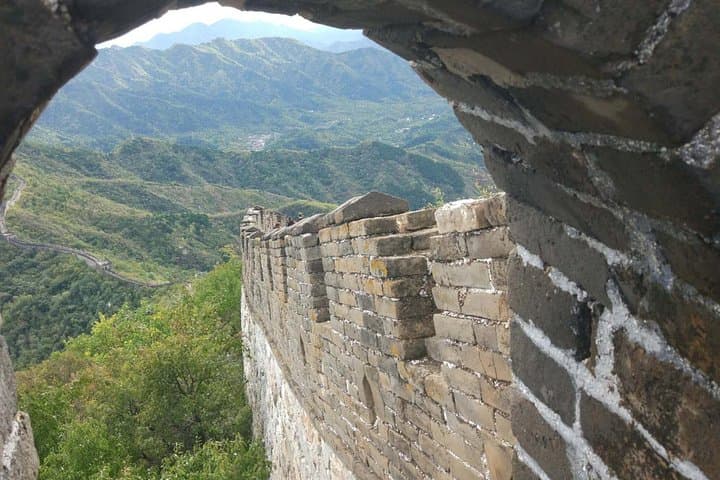
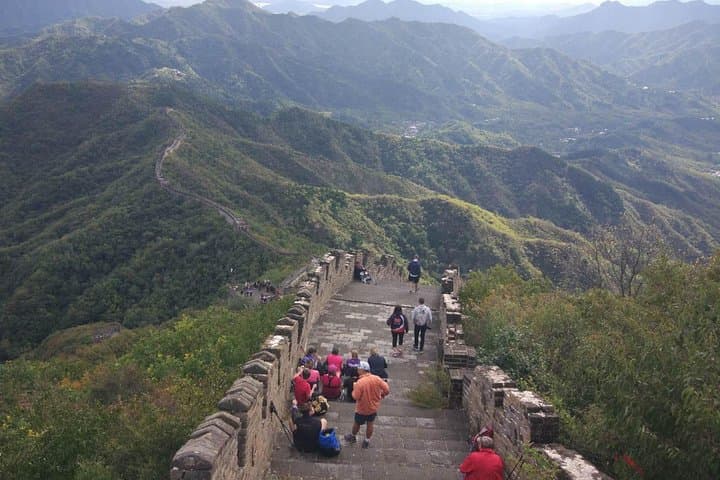
Mist rises from the shoulder of a granite ridge as you step out of the private car — the wall appears first as a low spine, then as a line of stone watchtowers rolling over tree-darkened crests. At Mutianyu the Great Wall moves like a long, patient creature, wind pushing through scrub and pine, inviting slow inspection rather than a hurried snapshot.
Verified experiences and guided adventures in the surrounding area.
Operated by Mark's Guide & Driver Service Beijing · Mutianyu, Huairou District, Beijing Municipality
Mist rises from the shoulder of a granite ridge as you step out of the private car — the wall appears first as a low spine, then as a line of stone watchtowers rolling over tree-darkened crests. At Mutianyu the Great Wall moves like a long, patient creature, wind pushing through scrub and pine, inviting slow inspection rather than a hurried snapshot.
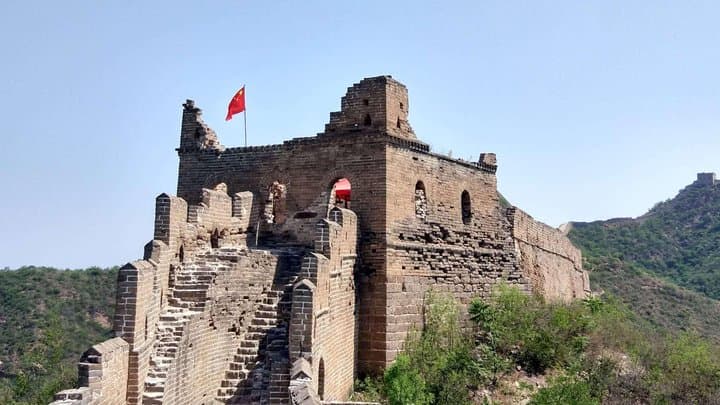
Mutianyu’s earliest stretches date to the Northern Qi era but the sections visitors walk today reflect major Ming-dynasty reconstruction: large blocks, crenellated parapets and clearly defined watchtowers built to control the approaches to Beijing. The local geology is mostly granite outcrops; heavy stone steps and weathered slabs create uneven footing and sudden viewpoints where the city sits faint on the horizon. Nearby villages keep a quieter pace than central Beijing — vendors sell roasted chestnuts and simple tea near the parking area.
Practically, this private, flexible trip centers on convenience: 75–90 minutes each way from downtown Beijing, pre-booked entrance tickets and hotel pickup/drop-off. Most groups take the cable car (about 8 minutes) up to save legs for the ridgewalk and return via the fun toboggan if they prefer a quicker descent.
Expect a moderate amount of walking on steep, irregular stone; comfortable shoes and layers are sensible. Avoid peak holiday mornings if you want space to move between towers, and carry water — services at the top are limited. With a private driver and English-speaking option, the route is straightforward, leaving time for photography, short hikes between towers, and a relaxed return to the city.
moderate.
5–8 hours.
Suitable for travelers who can walk on uneven stone steps and handle several flights of steep stairs; basic cardiovascular fitness recommended.
Expect about 75–90 minutes each way from central Beijing depending on traffic; airport transfers from PEK take roughly 80 minutes.
This private option includes pre-booked entrance tickets; cable car and toboggan tickets are typically separate unless you select a VIP package that specifies them.
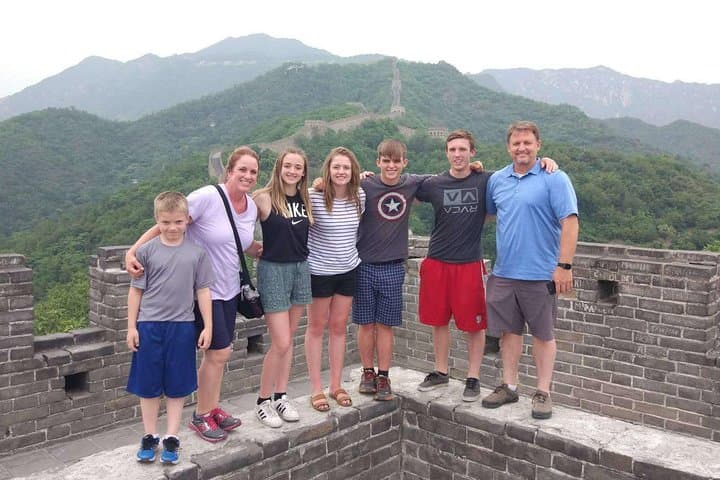
Yes—Mutianyu is family-friendly with cable car access and stroller-friendly areas near the base, but the wall itself has many steps and uneven surfaces, so supervision and care are advised.
Yes, the tour offers drop-off at your hotel, the Summer Palace or Beijing Capital Airport at no extra charge when that option is selected in advance.
Mutianyu was fortified in the Northern Qi period and substantially rebuilt during the Ming dynasty to strengthen Beijing’s northern defenses.
Stick to marked paths, don’t remove stones or inscriptions, and carry out all trash; visitor pressure makes small behaviors important for preservation.
Mark's Guide & Driver Service Beijing operates guided outdoor trips and adventures with an emphasis on safety, stewardship, and memorable experiences.
Mist rises from the shoulder of a granite ridge as you step out of the private car — the wall appears first as a low spine, then as a line of stone watchtowers rolling over tree-darkened crests. At Mutianyu the Great Wall moves like a long, patient creature, wind pushing through scrub and pine, inviting slow inspection rather than a hurried snapshot.
Mist rises from the shoulder of a granite ridge as you step out of the private car — the wall appears first as a low spine, then as a line of stone watchtowers rolling over tree-darkened crests. At Mutianyu the Great Wall moves like a long, patient creature, wind pushing through scrub and pine, inviting slow inspection rather than a hurried snapshot.
Mutianyu’s earliest stretches date to the Northern Qi era but the sections visitors walk today reflect major Ming-dynasty reconstruction: large blocks, crenellated parapets and clearly defined watchtowers built to control the approaches to Beijing. The local geology is mostly granite outcrops; heavy stone steps and weathered slabs create uneven footing and sudden viewpoints where the city sits faint on the horizon. Nearby villages keep a quieter pace than central Beijing — vendors sell roasted chestnuts and simple tea near the parking area.
Practically, this private, flexible trip centers on convenience: 75–90 minutes each way from downtown Beijing, pre-booked entrance tickets and hotel pickup/drop-off. Most groups take the cable car (about 8 minutes) up to save legs for the ridgewalk and return via the fun toboggan if they prefer a quicker descent.
Expect a moderate amount of walking on steep, irregular stone; comfortable shoes and layers are sensible. Avoid peak holiday mornings if you want space to move between towers, and carry water — services at the top are limited. With a private driver and English-speaking option, the route is straightforward, leaving time for photography, short hikes between towers, and a relaxed return to the city.