THE ADVENTURE COLLECTIVE® · Independent discovery and booking for outdoor travel

Skip the buses and see Mutianyu on your terms: a private driver-guide delivers flexibility, historical context, and direct access to the wall. Read on to learn what to expect, how to prepare, and which towers to prioritize.
Skip the buses and see Mutianyu on your terms: a private driver-guide delivers flexibility, historical context, and direct access to the wall. Read on to learn what to expect, how to prepare, and which towers to prioritize.
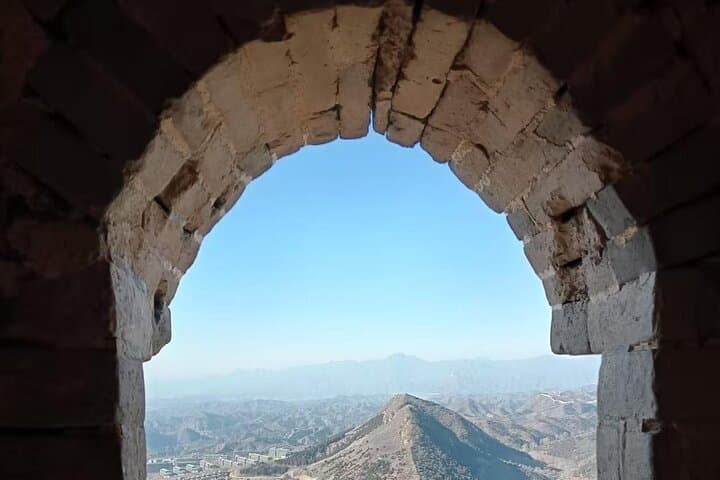
You pull away from Beijing before the city has fully stirred, the hum of the highway shrinking as villages and a patchwork of fields edge into view. Mutianyu rises out of rolling hills ahead—stone ramparts threading along ridgelines, watchtowers punctuating the skyline like sentries. Your private driver-guide parks at the base; the choice to take the shuttle and cable car or climb the restored steps is yours.
Verified experiences and guided adventures in the surrounding area.
Operated by Beijing Driver and Tour guide Robin · Beijing, Beijing
You pull away from Beijing before the city has fully stirred, the hum of the highway shrinking as villages and a patchwork of fields edge into view. Mutianyu rises out of rolling hills ahead—stone ramparts threading along ridgelines, watchtowers punctuating the skyline like sentries. Your private driver-guide parks at the base; the choice to take the shuttle and cable car or climb the restored steps is yours.
Mutianyu’s current fortifications were largely rebuilt during the Ming dynasty, though the site’s strategic use dates back earlier. Geologically the wall rides a band of granite ridges and mixed forest, which gives the towers solid footing and clear sightlines across valleys. Culturally, the section has long been a defensive bulwark and now a stage for local vendors, mountain teas, and the craft of small-scale preservation.
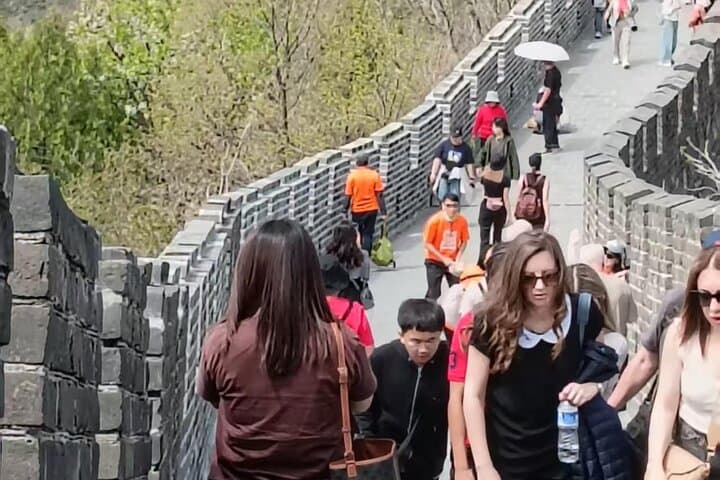
Expect 1–2 hours on the wall itself: steep steps, uneven stone, and broad panoramic viewpoints from beacon towers. The private-car format means flexibility—stop for photos, sample a noodle shop in a nearby village, or return early to avoid peak crowds.
Practical guidance: wear supportive shoes with good tread; bring water and sun protection; allow extra time for the cable-car queue on busy days; and keep to marked paths to protect fragile masonry. If you want quieter stretches, aim for weekdays or early morning. Your guide will often provide history, handle tickets, and advise the best towers for wind-swept vistas and photography.
moderate.
6–8 hours.
Moderate fitness; must be comfortable climbing long flights of uneven stone steps and walking on inclines.
No—tickets are sold at the site; with a private car you can ask your driver to purchase them, though queues can form on busy days.
The parking lot and some lower facilities are accessible, but most of the wall and towers involve steps; this tour notes wheelchair accessibility for transport but limited access on the ramparts.
Typical on-wall time is 1–2 hours, with total door-to-door duration of about 6–8 hours depending on traffic and stops.
Lunch is not typically included; guides can recommend nearby restaurants or small roadside eateries where you pay directly.
Mutianyu was fortified in earlier eras but most of the surviving masonry and towers date to extensive Ming dynasty reconstruction, built to defend Beijing’s northern approaches.
Visitor pressure and erosion are ongoing issues; stick to restored paths, avoid climbing on fragile sections, and carry out trash to support preservation.
Beijing Driver and Tour guide Robin operates guided outdoor trips and adventures with an emphasis on safety, stewardship, and memorable experiences.
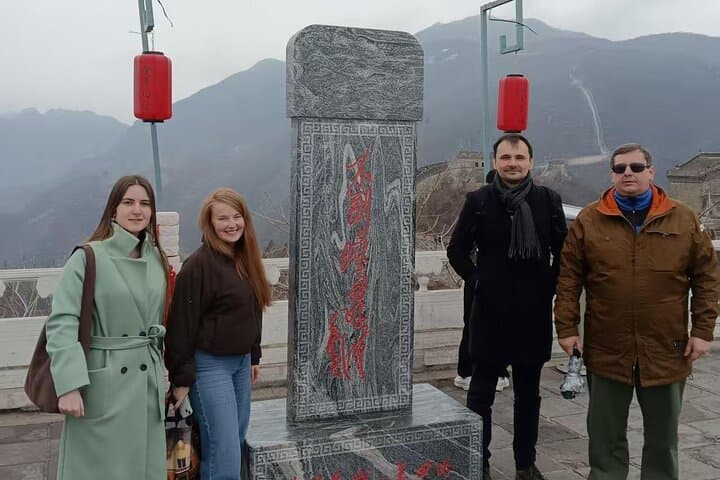
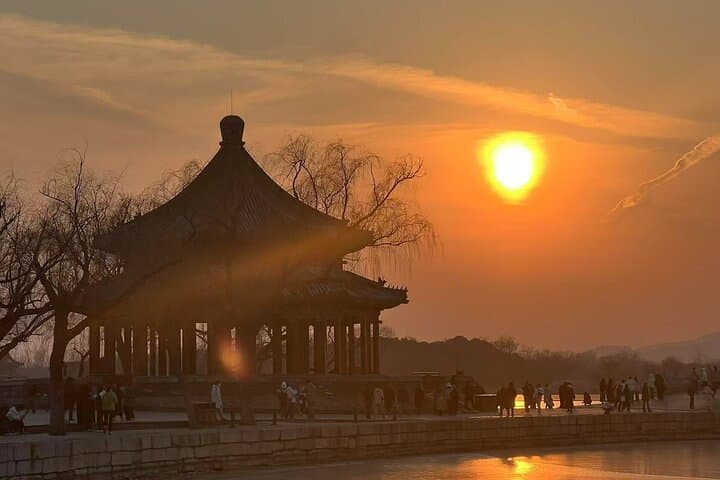
You pull away from Beijing before the city has fully stirred, the hum of the highway shrinking as villages and a patchwork of fields edge into view. Mutianyu rises out of rolling hills ahead—stone ramparts threading along ridgelines, watchtowers punctuating the skyline like sentries. Your private driver-guide parks at the base; the choice to take the shuttle and cable car or climb the restored steps is yours.
You pull away from Beijing before the city has fully stirred, the hum of the highway shrinking as villages and a patchwork of fields edge into view. Mutianyu rises out of rolling hills ahead—stone ramparts threading along ridgelines, watchtowers punctuating the skyline like sentries. Your private driver-guide parks at the base; the choice to take the shuttle and cable car or climb the restored steps is yours.
Mutianyu’s current fortifications were largely rebuilt during the Ming dynasty, though the site’s strategic use dates back earlier. Geologically the wall rides a band of granite ridges and mixed forest, which gives the towers solid footing and clear sightlines across valleys. Culturally, the section has long been a defensive bulwark and now a stage for local vendors, mountain teas, and the craft of small-scale preservation.
Expect 1–2 hours on the wall itself: steep steps, uneven stone, and broad panoramic viewpoints from beacon towers. The private-car format means flexibility—stop for photos, sample a noodle shop in a nearby village, or return early to avoid peak crowds.
Practical guidance: wear supportive shoes with good tread; bring water and sun protection; allow extra time for the cable-car queue on busy days; and keep to marked paths to protect fragile masonry. If you want quieter stretches, aim for weekdays or early morning. Your guide will often provide history, handle tickets, and advise the best towers for wind-swept vistas and photography.