THE ADVENTURE COLLECTIVE® · Independent discovery and booking for outdoor travel

Climb the restored battlements of Mutianyu, ride a mountain toboggan back down and walk the Sacred Way to the Ming Tombs on a full-day tour from Beijing. This guide covers what to expect, local history and practical tips to make the most of the 6–8 hour excursion.
Climb the restored battlements of Mutianyu, ride a mountain toboggan back down and walk the Sacred Way to the Ming Tombs on a full-day tour from Beijing. This guide covers what to expect, local history and practical tips to make the most of the 6–8 hour excursion.
You arrive where stone takes a long breath: grey bricks step up over tree-lined ridges, and wind skims the parapets of Mutianyu, urging you to move higher. The day tour opens on those crenellated ramps — a cable car eases you up, a toboggan promises a faster, playful return, and the wall unfolds in a long, watchful line across forested hills.
Verified experiences and guided adventures in the surrounding area.
Operated by Coco's Beijing Tour · Beijing, Beijing
You arrive where stone takes a long breath: grey bricks step up over tree-lined ridges, and wind skims the parapets of Mutianyu, urging you to move higher. The day tour opens on those crenellated ramps — a cable car eases you up, a toboggan promises a faster, playful return, and the wall unfolds in a long, watchful line across forested hills.
Mutianyu dates back to early fortifications before the Ming rebuilding that gave this stretch its current, robust form; the nearby Ming Tombs preserve the imperial afterlife in carefully arranged mausoleums, with the Sacred Way leading north under carved guardian statues. Geologically the ridgelines are granite and schist, worn smooth at the edges but still offering solid footing; culturally, the area reflects centuries of imperial logistics and rural life at the edge of the capital.
Expect fir and poplar slopes, intermittent steps and restored towers spaced about every few hundred meters, with the Great Wall alternately opening to broad valley views and tightening into sheltered corridors. Guides usually weave history with practical stops: photo points, a mid-tour lunch at a local restaurant, and a walkthrough of Dingling’s excavated tomb chamber.
Practical guidance: wear stable shoes for uneven stone and steps, carry at least one liter of water, and budget 6–8 hours including travel from Beijing. Peak-season mornings bring clearer skies and more people; late afternoon light is quieter but cooler. Respect marked paths, accept the cable car and toboggan options if mobility is limited, and leave room in your pack for a light layer — the ridge wind can change fast.
moderate.
6–8 hours.
You should have a moderate level of fitness—able to manage repeated stair climbs and uneven stone for several hours.
Mutianyu's public section covers about 5.5 km and includes roughly 20 restored beacon towers that visitors can walk between.
Most day tours include round-trip cable car or shuttle and the toboggan is often offered as a paid option; check your booking inclusions for specifics.
Visiting Dingling involves some steps and a short walk along the Sacred Way; the tomb chamber itself is mostly flat but requires walking to and around the site.
Yes — tours commonly include pickup from central Beijing; travel time to Mutianyu and the Ming Tombs is typically 1–1.5 hours each way depending on traffic.
Mutianyu’s wall origins trace to early defensive works later rebuilt under the Ming dynasty; the Ming Tombs complex holds imperial mausoleums with the Sacred Way leading to multiple emperors’ burials.
High visitor numbers stress trails and ancient masonry — stay on designated paths, avoid leaning on fragile sections, and pack out trash to reduce erosion and cultural-site damage.
Coco's Beijing Tour operates guided outdoor trips and adventures with an emphasis on safety, stewardship, and memorable experiences.
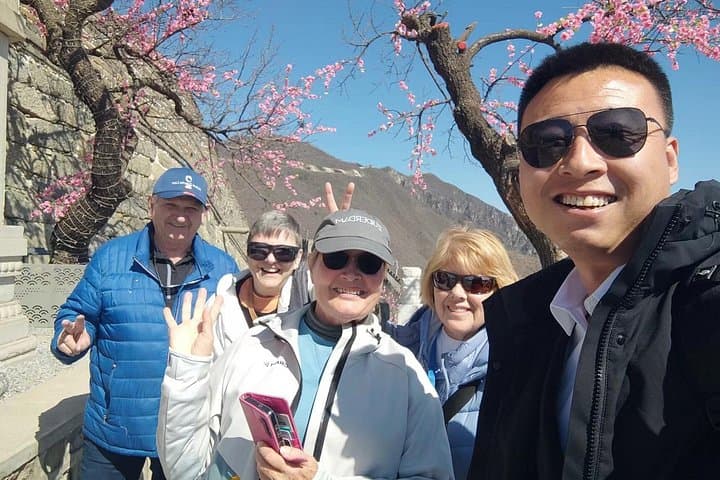
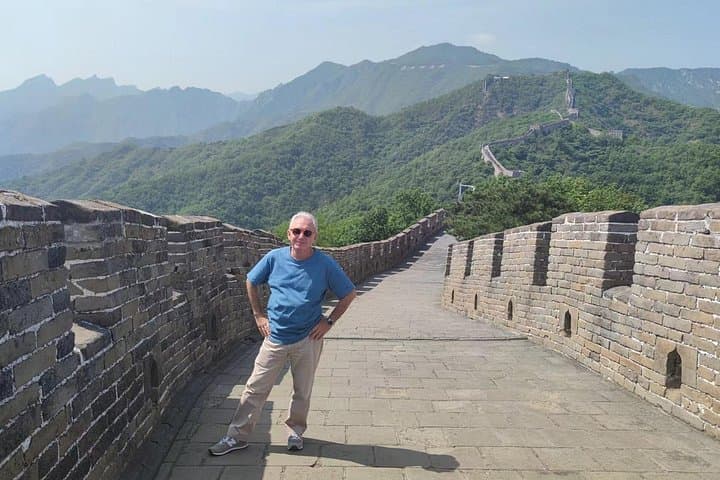
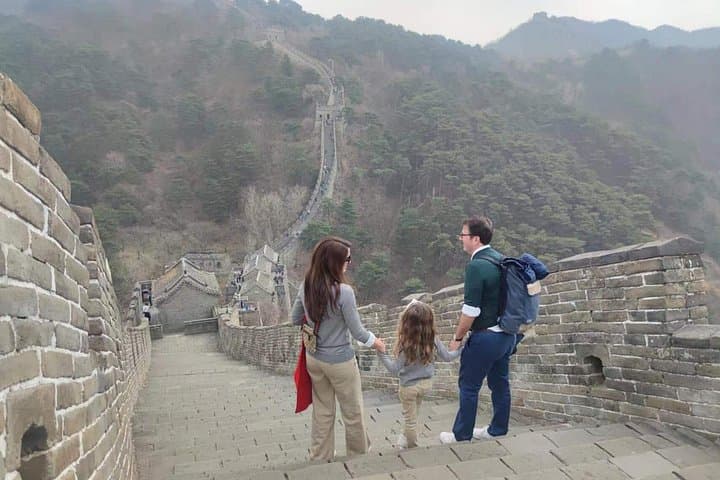
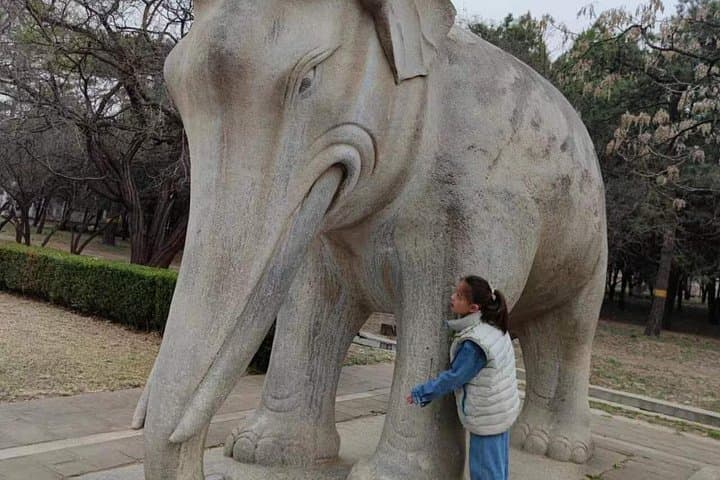
You arrive where stone takes a long breath: grey bricks step up over tree-lined ridges, and wind skims the parapets of Mutianyu, urging you to move higher. The day tour opens on those crenellated ramps — a cable car eases you up, a toboggan promises a faster, playful return, and the wall unfolds in a long, watchful line across forested hills.
You arrive where stone takes a long breath: grey bricks step up over tree-lined ridges, and wind skims the parapets of Mutianyu, urging you to move higher. The day tour opens on those crenellated ramps — a cable car eases you up, a toboggan promises a faster, playful return, and the wall unfolds in a long, watchful line across forested hills.
Mutianyu dates back to early fortifications before the Ming rebuilding that gave this stretch its current, robust form; the nearby Ming Tombs preserve the imperial afterlife in carefully arranged mausoleums, with the Sacred Way leading north under carved guardian statues. Geologically the ridgelines are granite and schist, worn smooth at the edges but still offering solid footing; culturally, the area reflects centuries of imperial logistics and rural life at the edge of the capital.
Expect fir and poplar slopes, intermittent steps and restored towers spaced about every few hundred meters, with the Great Wall alternately opening to broad valley views and tightening into sheltered corridors. Guides usually weave history with practical stops: photo points, a mid-tour lunch at a local restaurant, and a walkthrough of Dingling’s excavated tomb chamber.
Practical guidance: wear stable shoes for uneven stone and steps, carry at least one liter of water, and budget 6–8 hours including travel from Beijing. Peak-season mornings bring clearer skies and more people; late afternoon light is quieter but cooler. Respect marked paths, accept the cable car and toboggan options if mobility is limited, and leave room in your pack for a light layer — the ridge wind can change fast.