THE ADVENTURE COLLECTIVE® · Independent discovery and booking for outdoor travel

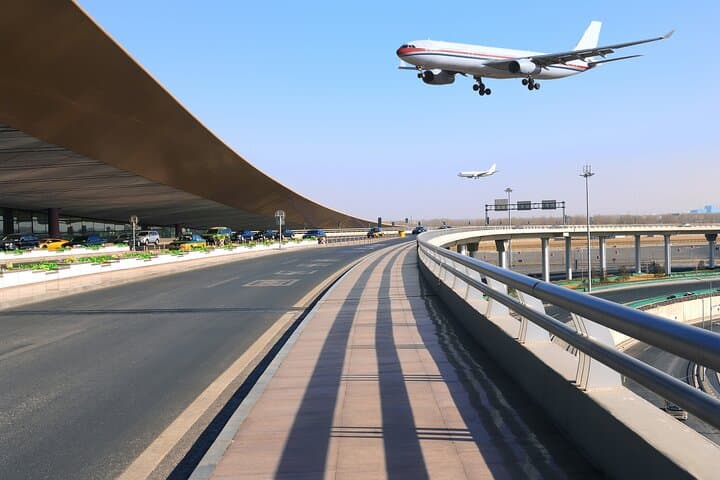
Turn a Beijing layover into a focused Mutianyu Great Wall visit with private pickup, a local guide, and flexible timing. This quick tour prioritizes efficient logistics so you can walk restored ramparts, ride the cable car, or descend by toboggan before your next flight.
Turn a Beijing layover into a focused Mutianyu Great Wall visit with private pickup, a local guide, and flexible timing. This quick tour prioritizes efficient logistics so you can walk restored ramparts, ride the cable car, or descend by toboggan before your next flight.
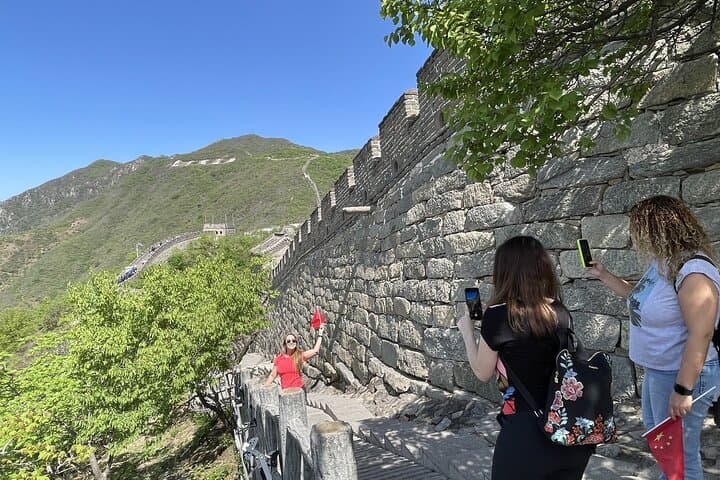
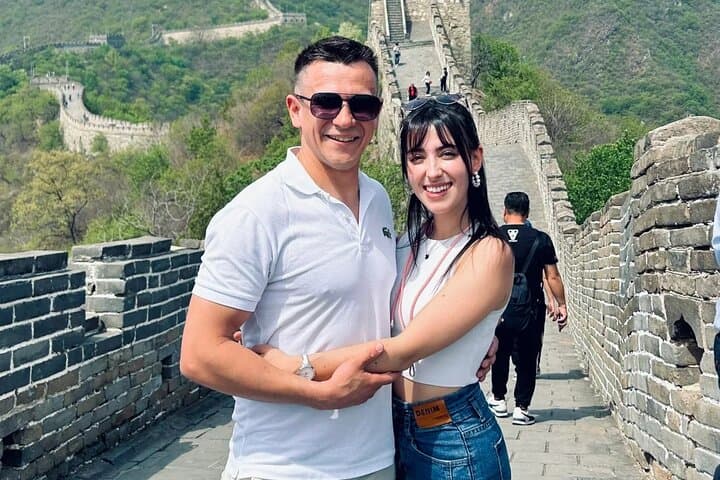
You step off the airport shuttle and, within an hour, the city gives way to rising pines and terraced hills. At Mutianyu the Great Wall runs along a ridgeline like an old roadway for the mountains—stone steps and crenellated towers alternating with stretches of sweeping views. The air smells of pine and cold stone, and watchtowers keep rhythm ahead as the guide points out features of the masonry.
Verified experiences and guided adventures in the surrounding area.
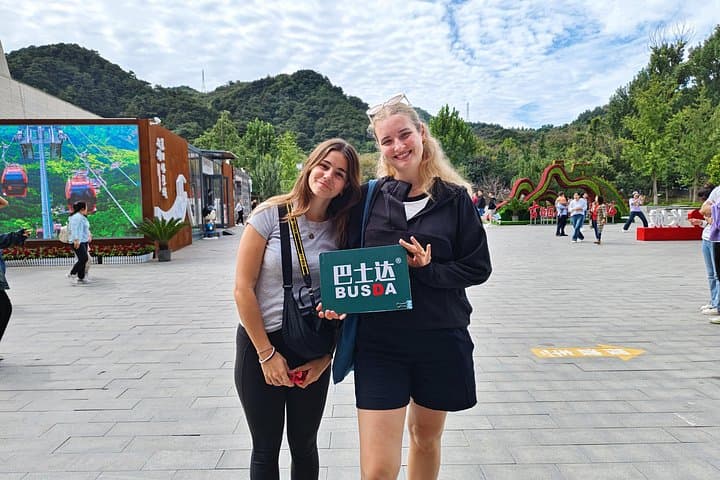
Operated by Busda · Beijing, Beijing Municipality
You step off the airport shuttle and, within an hour, the city gives way to rising pines and terraced hills. At Mutianyu the Great Wall runs along a ridgeline like an old roadway for the mountains—stone steps and crenellated towers alternating with stretches of sweeping views. The air smells of pine and cold stone, and watchtowers keep rhythm ahead as the guide points out features of the masonry.
Mutianyu’s earliest fortifications date to the Northern Qi (6th century), but much of what visitors see today was rebuilt under the Ming dynasty. The wall here crosses banded metamorphic ridges controlled by regional geology; granite and schist underpin the towers, and forested slopes buffer the stone from heavy erosion. Local culture in Huairou District reflects rural Beijing life: small farming villages, roadside tea stalls, and a tourism economy focused on preserving the corridor.
For a layover, this private tour compresses logistics—airport pickup, guided access, and return transport—so the experience is about walking, views, and the choice of a cable car up or a wheeled toboggan down for pace and fun. Expect well-maintained steps, occasional steep climbs, and wide open lookout points.
Practical guidance: allow at least six hours total including travel time, check flight times and traffic, bring layered clothing for wind on the ridge, and wear sturdy shoes with good grip for uneven stone. Carry water, a camera, and your passport for entrance. Early morning or late afternoon reduces crowds and gives the best light for photographs.
moderate.
6–7 hours.
Suitable for travelers who can walk uphill on uneven stone for 1–2 hours; not technical but requires steady footing.
Plan a minimum 6–7 hours from airport pickup to drop-off to cover travel, site time (about 2–3 hours), and airport security buffers.
Yes—paths at Mutianyu are restored and the tour notes it as suitable for most fitness levels, though there are steep steps; opt for cable car access if mobility is limited.
Yes—cable car and wheeled toboggan options are available on site and often included as choices; confirm during booking for exact inclusions.
Bring your passport—entrance is ticketed and guides typically verify identity at the gate; also required for pickup arrangements from the airport.
Mutianyu has fortifications dating to the 6th century with major reconstruction under the Ming dynasty, giving it long stretches of restored Ming-era battlements.
Visitor management focuses on maintained paths and restricted access to prevent erosion; stick to paved routes, avoid writing on stone, and pack out waste.
Busda operates guided outdoor trips and adventures with an emphasis on safety, stewardship, and memorable experiences.
You step off the airport shuttle and, within an hour, the city gives way to rising pines and terraced hills. At Mutianyu the Great Wall runs along a ridgeline like an old roadway for the mountains—stone steps and crenellated towers alternating with stretches of sweeping views. The air smells of pine and cold stone, and watchtowers keep rhythm ahead as the guide points out features of the masonry.
You step off the airport shuttle and, within an hour, the city gives way to rising pines and terraced hills. At Mutianyu the Great Wall runs along a ridgeline like an old roadway for the mountains—stone steps and crenellated towers alternating with stretches of sweeping views. The air smells of pine and cold stone, and watchtowers keep rhythm ahead as the guide points out features of the masonry.
Mutianyu’s earliest fortifications date to the Northern Qi (6th century), but much of what visitors see today was rebuilt under the Ming dynasty. The wall here crosses banded metamorphic ridges controlled by regional geology; granite and schist underpin the towers, and forested slopes buffer the stone from heavy erosion. Local culture in Huairou District reflects rural Beijing life: small farming villages, roadside tea stalls, and a tourism economy focused on preserving the corridor.
For a layover, this private tour compresses logistics—airport pickup, guided access, and return transport—so the experience is about walking, views, and the choice of a cable car up or a wheeled toboggan down for pace and fun. Expect well-maintained steps, occasional steep climbs, and wide open lookout points.
Practical guidance: allow at least six hours total including travel time, check flight times and traffic, bring layered clothing for wind on the ridge, and wear sturdy shoes with good grip for uneven stone. Carry water, a camera, and your passport for entrance. Early morning or late afternoon reduces crowds and gives the best light for photographs.