THE ADVENTURE COLLECTIVE® · Independent discovery and booking for outdoor travel

Got a long layover in Beijing? Turn downtime into a highlight with a private transfer to Mutianyu—walk restored Ming walls, ride a cable car up, and choose a toboggan descent for a quick thrill. Read on for timing, tips, and what to pack.
Got a long layover in Beijing? Turn downtime into a highlight with a private transfer to Mutianyu—walk restored Ming walls, ride a cable car up, and choose a toboggan descent for a quick thrill. Read on for timing, tips, and what to pack.
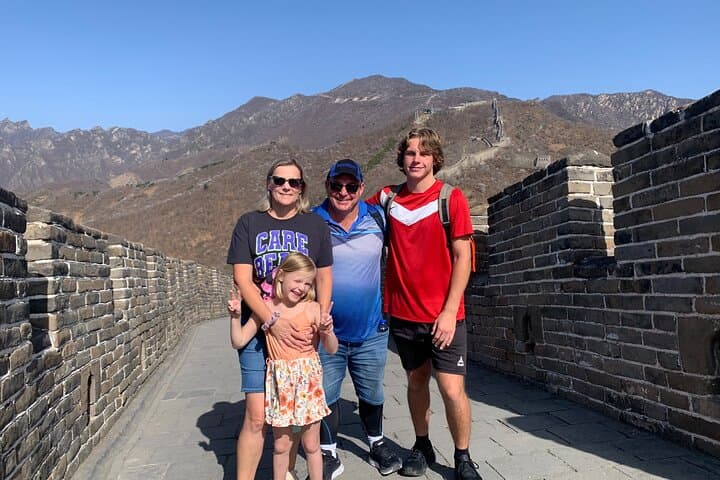
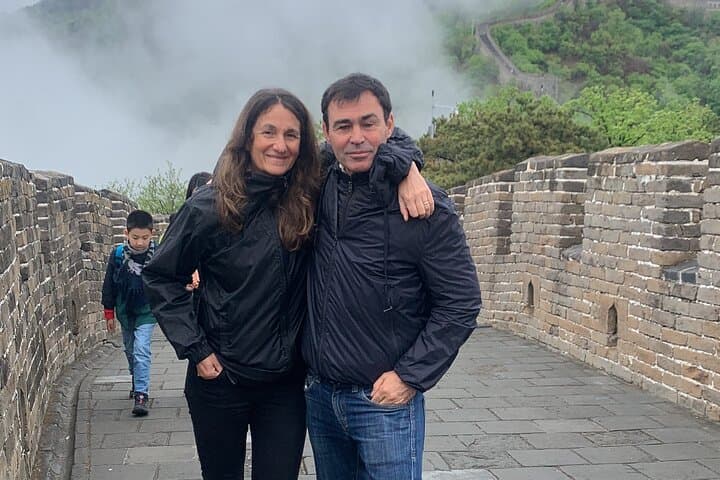
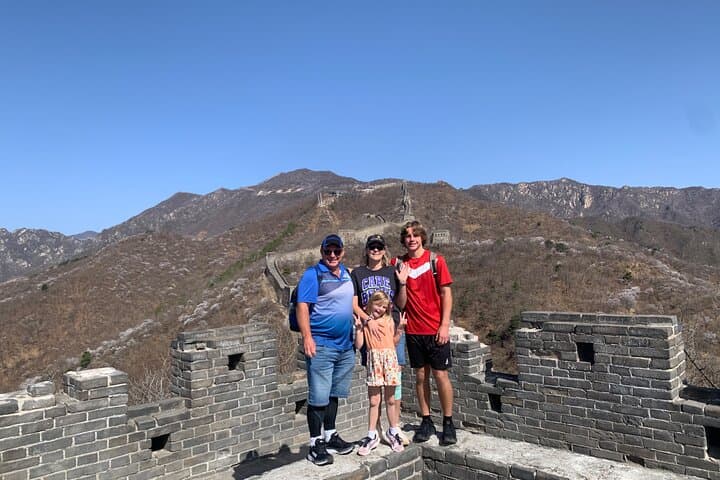
You step from the airport into a driver’s waiting hands and an hour later the city’s grid gives way to rising granite ridgelines; the Mutianyu section of the Great Wall appears like a stone spine across a green shoulder. Pines lean over terraced switchbacks, and the wall’s watchtowers punctuate the ridge—each one an opportunity to catch wind and view.
Verified experiences and guided adventures in the surrounding area.
Operated by Demi Beijing Private Tours · Huairou District, Beijing
You step from the airport into a driver’s waiting hands and an hour later the city’s grid gives way to rising granite ridgelines; the Mutianyu section of the Great Wall appears like a stone spine across a green shoulder. Pines lean over terraced switchbacks, and the wall’s watchtowers punctuate the ridge—each one an opportunity to catch wind and view.
Built and reinforced during the Ming dynasty, Mutianyu was designed as a defensive barrier with dense watchtowers and wide crenellations; it sits on eroded granite ridges carved over millennia. Local villages in Huairou still practice small-scale farming and offer simple teas that speak to the region’s rural history. Geologically the area is a mix of hard rock outcrops and forested slopes that help keep the average greening rate high—on a clear day the wall reads like a route of human patience across raw terrain.
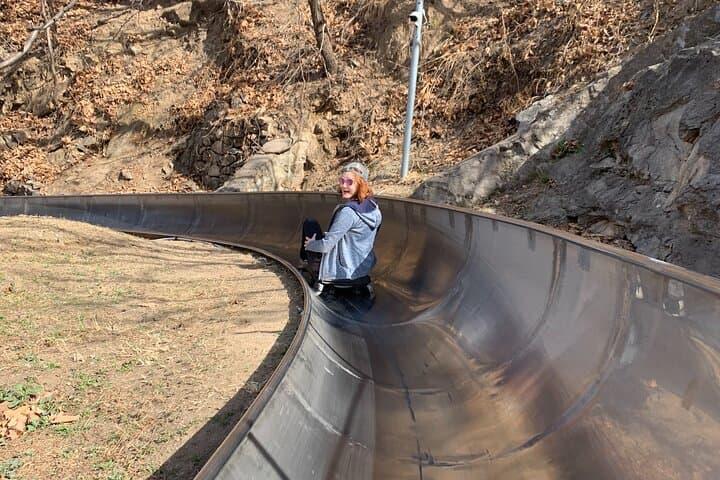
Practically: this private layover tour runs 6–9 hours and includes airport pickup and drop-off, an English-speaking guide, and optional cable car/chair lift up the wall; admission is sometimes handled at booking so have passport details ready. You’ll cover short exposed sections and stone steps—moderate fitness and stable footwear required. Timing is everything: aim for morning light to avoid afternoon crowds and to secure time for the optional toboggan descent if you want a fast, fun exit. Bring water, a light shell for wind on the ridge, and plan airport return with buffer time for security. The trip is ideal for travelers who want a concentrated, stress-managed taste of one of China’s most visited historic landscapes.
moderate.
6–9 hours (includes transfers).
Moderate fitness—able to walk up and down stone steps for up to 1–2 hours with short rests
Expect about 60–90 minutes each way depending on traffic and which Beijing airport you use (PEK or PKX).
Admission handling varies—confirm at booking; passport details are required to issue attraction tickets.
The toboggan is a controlled ride and popular with families, but children should meet operator height/age rules and be supervised; infants typically sit on laps or remain with guardians.
Yes, with a minimum of 6 hours you can visit Mutianyu and return, but factor in customs/immigration time and airport security—longer layovers reduce travel risk.
Mutianyu was expanded during the Ming dynasty as a defensive line with dense watchtowers; its current tourist route follows restored Ming-era masonry.
High visitor numbers require staying on marked paths, packing out litter, and supporting small local vendors to keep tourism benefits local and sustainable.
Demi Beijing Private Tours operates guided outdoor trips and adventures with an emphasis on safety, stewardship, and memorable experiences.
You step from the airport into a driver’s waiting hands and an hour later the city’s grid gives way to rising granite ridgelines; the Mutianyu section of the Great Wall appears like a stone spine across a green shoulder. Pines lean over terraced switchbacks, and the wall’s watchtowers punctuate the ridge—each one an opportunity to catch wind and view.
You step from the airport into a driver’s waiting hands and an hour later the city’s grid gives way to rising granite ridgelines; the Mutianyu section of the Great Wall appears like a stone spine across a green shoulder. Pines lean over terraced switchbacks, and the wall’s watchtowers punctuate the ridge—each one an opportunity to catch wind and view.
Built and reinforced during the Ming dynasty, Mutianyu was designed as a defensive barrier with dense watchtowers and wide crenellations; it sits on eroded granite ridges carved over millennia. Local villages in Huairou still practice small-scale farming and offer simple teas that speak to the region’s rural history. Geologically the area is a mix of hard rock outcrops and forested slopes that help keep the average greening rate high—on a clear day the wall reads like a route of human patience across raw terrain.
Practically: this private layover tour runs 6–9 hours and includes airport pickup and drop-off, an English-speaking guide, and optional cable car/chair lift up the wall; admission is sometimes handled at booking so have passport details ready. You’ll cover short exposed sections and stone steps—moderate fitness and stable footwear required. Timing is everything: aim for morning light to avoid afternoon crowds and to secure time for the optional toboggan descent if you want a fast, fun exit. Bring water, a light shell for wind on the ridge, and plan airport return with buffer time for security. The trip is ideal for travelers who want a concentrated, stress-managed taste of one of China’s most visited historic landscapes.