THE ADVENTURE COLLECTIVE® · Independent discovery and booking for outdoor travel

Avoid the rush and take a private half-day journey to Mutianyu Great Wall from Beijing. This guided tour pairs restored watchtowers and sweeping mountain views with flexible pacing and hotel pickup for a compact cultural outing.
Avoid the rush and take a private half-day journey to Mutianyu Great Wall from Beijing. This guided tour pairs restored watchtowers and sweeping mountain views with flexible pacing and hotel pickup for a compact cultural outing.
You step from the vehicle and the forested ridgeline of Mutianyu rises like a deliberate host — its watchtowers keeping slow vigil above a river of stone steps. The air often tastes of pine and cold metal from the restored crenellations; footsteps echo as the group spreads out along broad, well-maintained pathways.
Verified experiences and guided adventures in the surrounding area.
Operated by Busda · Huairou, Beijing
You step from the vehicle and the forested ridgeline of Mutianyu rises like a deliberate host — its watchtowers keeping slow vigil above a river of stone steps. The air often tastes of pine and cold metal from the restored crenellations; footsteps echo as the group spreads out along broad, well-maintained pathways.
Mutianyu began life as a defensive line in the Northern Qi era (6th century) and received major rebuilding under the Ming dynasty, which produced the stone battlements and imposing towers visitors climb today. Geologically, the wall threads along weathered granite spurs and mixed deciduous forests that turn gold in autumn and hold slow, quiet snow in winter. Culturally, the site balances tourism with deep national heritage — it has hosted international dignitaries and remains a living symbol of China’s imperial past.
Expect a steady sequence of stone staircases and restored ramps, panoramic views over folded mountains, and optional cable-car or toboggan options if you want to avoid some climbs. The private half-day format means flexible pacing: linger at a tower to study embrasures, or move briskly for photo windows.
Practical guidance: wear grippy footwear for uneven steps, layer for wind-exposed summits, and bring water — there are food stalls but seasonal lines form. Aim for early morning to beat crowds and midday heat. Respect restricted sections, follow your guide’s route, and carry local currency for small purchases. Mutianyu rewards simple preparation with expansive views and a tactile connection to one of the world’s most enduring stone works.
moderate.
5 hours.
Light to moderate fitness; able to climb multiple flights of stairs and walk uneven stone pathways.
Yes — the tour itinerary indicates admission to the Mutianyu scenic area is included with this private tour.
Yes — Mutianyu offers a cable car up and a toboggan option down; confirm which options are included or available at booking.
Generally yes; the section is well restored, but families with strollers or visitors with limited mobility should note there are many stairs and steeper stretches.
The private half-day format typically allows 1–2 hours of walking on the wall itself, with time added for transport and viewpoints within the 5-hour total.
Mutianyu originated during the Northern Qi period and was significantly rebuilt in the Ming dynasty; its conserved towers and battlements reflect military engineering from those eras.
Visitors are asked to stay on designated paths to reduce erosion; the scenic area balances restoration with limits on commercial development to protect the stonework and surrounding forest.
Busda operates guided outdoor trips and adventures with an emphasis on safety, stewardship, and memorable experiences.

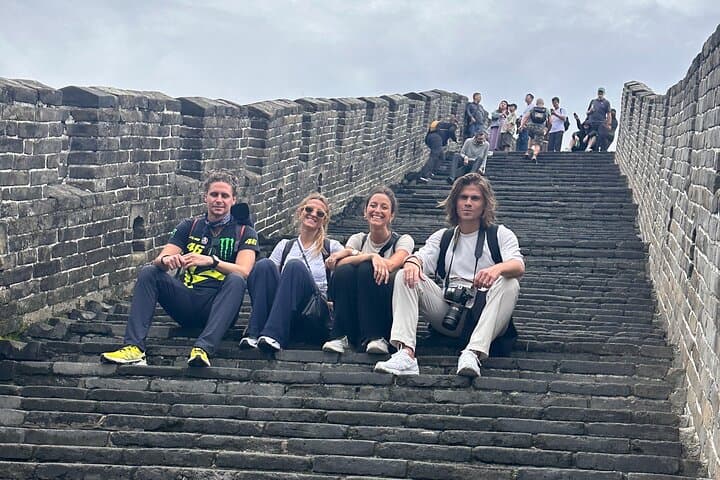
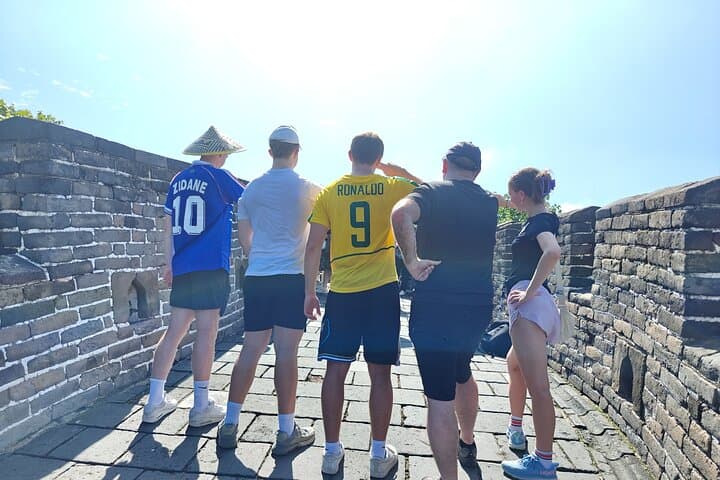
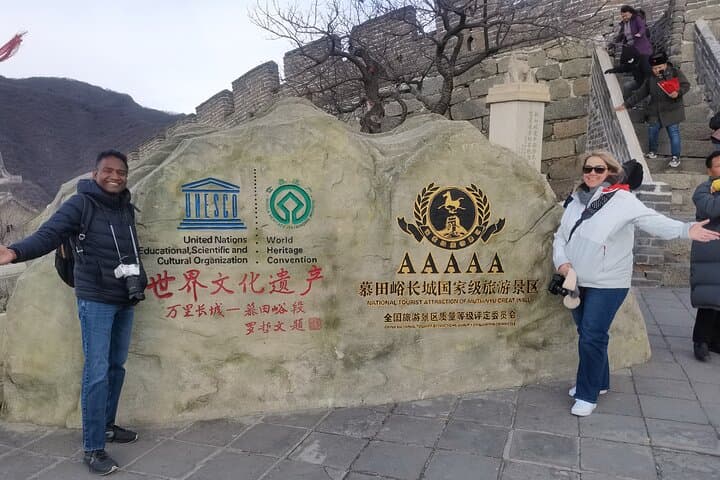
You step from the vehicle and the forested ridgeline of Mutianyu rises like a deliberate host — its watchtowers keeping slow vigil above a river of stone steps. The air often tastes of pine and cold metal from the restored crenellations; footsteps echo as the group spreads out along broad, well-maintained pathways.
You step from the vehicle and the forested ridgeline of Mutianyu rises like a deliberate host — its watchtowers keeping slow vigil above a river of stone steps. The air often tastes of pine and cold metal from the restored crenellations; footsteps echo as the group spreads out along broad, well-maintained pathways.
Mutianyu began life as a defensive line in the Northern Qi era (6th century) and received major rebuilding under the Ming dynasty, which produced the stone battlements and imposing towers visitors climb today. Geologically, the wall threads along weathered granite spurs and mixed deciduous forests that turn gold in autumn and hold slow, quiet snow in winter. Culturally, the site balances tourism with deep national heritage — it has hosted international dignitaries and remains a living symbol of China’s imperial past.
Expect a steady sequence of stone staircases and restored ramps, panoramic views over folded mountains, and optional cable-car or toboggan options if you want to avoid some climbs. The private half-day format means flexible pacing: linger at a tower to study embrasures, or move briskly for photo windows.
Practical guidance: wear grippy footwear for uneven steps, layer for wind-exposed summits, and bring water — there are food stalls but seasonal lines form. Aim for early morning to beat crowds and midday heat. Respect restricted sections, follow your guide’s route, and carry local currency for small purchases. Mutianyu rewards simple preparation with expansive views and a tactile connection to one of the world’s most enduring stone works.