THE ADVENTURE COLLECTIVE® · Independent discovery and booking for outdoor travel

Walk an intact 2.5 km stretch of the Ming-era Great Wall at Mutianyu with a private guide. This half-day tour includes hotel pickup, about two hours on the Wall, and optional cable car or toboggan return.
Walk an intact 2.5 km stretch of the Ming-era Great Wall at Mutianyu with a private guide. This half-day tour includes hotel pickup, about two hours on the Wall, and optional cable car or toboggan return.
A cool morning air tightens as the van drops you at the base of a stone staircase and the Great Wall rises, segment after segment, like an old spine across the ridgeline. At Mutianyu the Wall is wider, the watchtowers frequent, and the incline gives and takes—an easy rhythm of steps and viewpoints that stretches across the valley.
Verified experiences and guided adventures in the surrounding area.
Operated by TWT Travel · Huairou District, Beijing
A cool morning air tightens as the van drops you at the base of a stone staircase and the Great Wall rises, segment after segment, like an old spine across the ridgeline. At Mutianyu the Wall is wider, the watchtowers frequent, and the incline gives and takes—an easy rhythm of steps and viewpoints that stretches across the valley.
This section of the Great Wall was built and rebuilt mainly during the Ming Dynasty (1368–1644) to secure the imperial approaches from the north. Granite and brick sit where earthworks once stood; watchtowers keep quiet watch over orchards and pine-clad slopes below. Geologically the range is gentle but rugged—granite ridges, eroded gullies, and terraces that shape the path beneath your boots.
Locals in nearby Huairou recall the Wall as both barrier and trade route; today small vendors and restored stonework meet visitors who come to experience structure and story side by side. If you follow a guide, you'll get context for each tower and the tactics once used to repel raids.
Practical notes: tours generally include hotel pickup from Beijing, about 1.5 hours each way. Expect roughly two hours of walking on the Wall itself; you can ride the cable car up and choose a toboggan or stairs down. Wear grippy shoes for uneven steps, carry water, and pace on the steeper climbs—the sun and wind can change quickly on the ridge.
Mutianyu rewards steady hikers more than racers: take your time, scan the valley for birds, and let the watchtowers set the cadence of the day.
moderate.
5 hours (including transport).
Moderate fitness; able to climb sustained stone steps and walk uneven terrain for ~2 hours
Tours typically include about two hours of walking along the Mutianyu section, enough to cover the main 2.5 km stretch and several watchtowers.
Yes, this is a private tour and generally includes hotel pickup and drop-off from central Beijing; confirm your pickup point when booking.
Yes—both are options. The cable car takes you up and the alpine toboggan is a popular paid choice for descent; these are paid on-site.
Mutianyu is relatively restored with many handrails and options like cable car access, but children should be supervised and older adults should assess stair-climbing ability.
Mutianyu was rebuilt in the early Ming Dynasty as a defensive line; its dense series of watchtowers supported signal relay and troop movements.
High visitor numbers stress the stonework—stay on designated paths, avoid graffiti, and carry out litter; many guides emphasize low-impact visitation to protect the site.
TWT Travel operates guided outdoor trips and adventures with an emphasis on safety, stewardship, and memorable experiences.
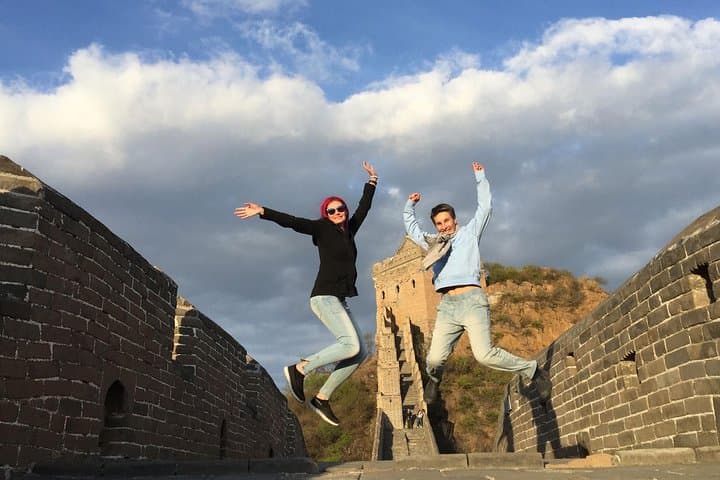
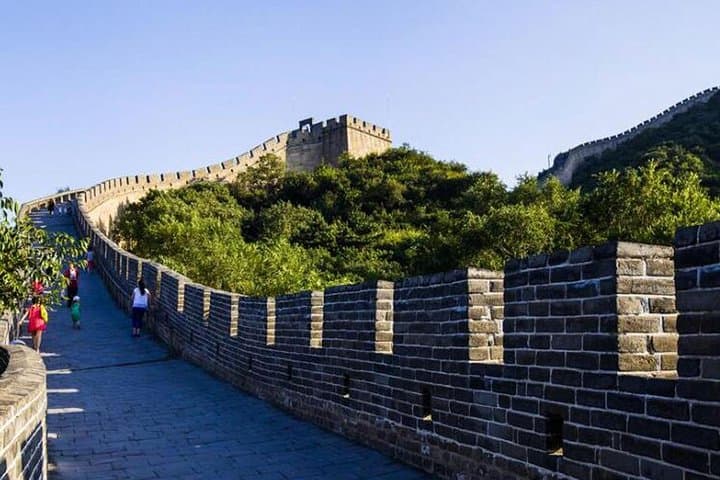
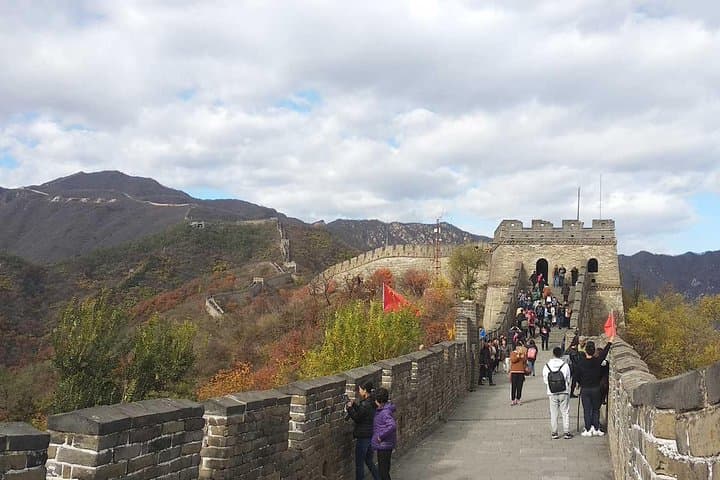
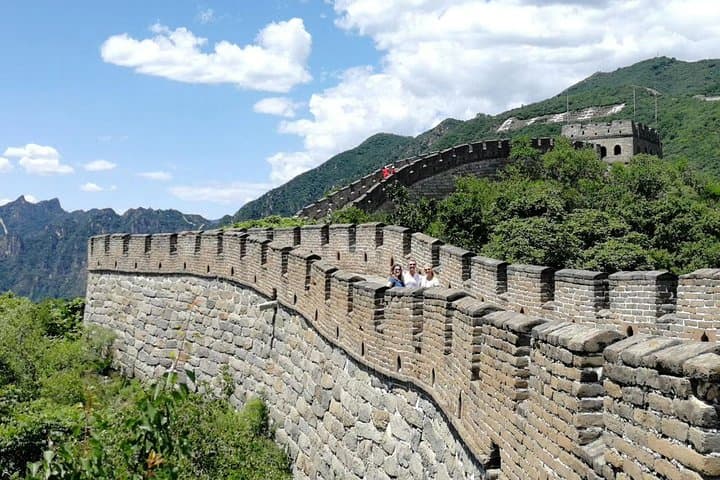
A cool morning air tightens as the van drops you at the base of a stone staircase and the Great Wall rises, segment after segment, like an old spine across the ridgeline. At Mutianyu the Wall is wider, the watchtowers frequent, and the incline gives and takes—an easy rhythm of steps and viewpoints that stretches across the valley.
A cool morning air tightens as the van drops you at the base of a stone staircase and the Great Wall rises, segment after segment, like an old spine across the ridgeline. At Mutianyu the Wall is wider, the watchtowers frequent, and the incline gives and takes—an easy rhythm of steps and viewpoints that stretches across the valley.
This section of the Great Wall was built and rebuilt mainly during the Ming Dynasty (1368–1644) to secure the imperial approaches from the north. Granite and brick sit where earthworks once stood; watchtowers keep quiet watch over orchards and pine-clad slopes below. Geologically the range is gentle but rugged—granite ridges, eroded gullies, and terraces that shape the path beneath your boots.
Locals in nearby Huairou recall the Wall as both barrier and trade route; today small vendors and restored stonework meet visitors who come to experience structure and story side by side. If you follow a guide, you'll get context for each tower and the tactics once used to repel raids.
Practical notes: tours generally include hotel pickup from Beijing, about 1.5 hours each way. Expect roughly two hours of walking on the Wall itself; you can ride the cable car up and choose a toboggan or stairs down. Wear grippy shoes for uneven steps, carry water, and pace on the steeper climbs—the sun and wind can change quickly on the ridge.
Mutianyu rewards steady hikers more than racers: take your time, scan the valley for birds, and let the watchtowers set the cadence of the day.