THE ADVENTURE COLLECTIVE® · Independent discovery and booking for outdoor travel

Climb a steeper, older stretch of the Great Wall at Mutianyu on a seven-hour tour from Beijing that combines hiking, an optional cable car, and a Chinese-style lunch with tea tasting. Expect forested ridge walking, 22 watchtowers and dramatic ridge-top views.
Climb a steeper, older stretch of the Great Wall at Mutianyu on a seven-hour tour from Beijing that combines hiking, an optional cable car, and a Chinese-style lunch with tea tasting. Expect forested ridge walking, 22 watchtowers and dramatic ridge-top views.
You step off the coach onto a broad stone plaza and hear the wall before you see it: a low, ancient growl of steps that rise and fold along a wooded ridge. At Mutianyu the Great Wall climbs steeply through mixed oak and pine, flanked by streams that chatter down the valley and a line of watchtowers that puncture the skyline.
Verified experiences and guided adventures in the surrounding area.
Operated by Hantang International Travel Service · Beijing, Beijing
You step off the coach onto a broad stone plaza and hear the wall before you see it: a low, ancient growl of steps that rise and fold along a wooded ridge. At Mutianyu the Great Wall climbs steeply through mixed oak and pine, flanked by streams that chatter down the valley and a line of watchtowers that puncture the skyline.
Mutianyu is a Ming-dynasty reconstruction older than the more touristed Badaling; its restored section runs about 2,250 meters and contains 22 watchtowers, with the highest tower sitting near 540 meters above sea level. Geologically the wall follows the crests of the Yan Mountains, built from locally quarried stone that anchors the ramparts to the ridge. Local culture threads through the visit: a Chinese-style lunch, a jade workshop stop and a guided tea tasting give context to the wall’s role in trade and defense.
Practically, the day is a seven-hour excursion from Beijing (pick-up within the 4th ring road). You can climb the steeper stair flights, ride the optional cable car or descend by toboggan. Expect uneven stone steps, short steep pitches, and packed crowds at the main viewpoints—early arrival and steady pacing win the best photos.
Bring sturdy shoes, layers and water; plan for sun and sudden wind at the ridge. Photography and short hikes between towers reward effort: sit on the stones, watch the valley, and let the construction’s scale give shape to the long view of China’s past and present.
moderate.
7 hours.
Moderate fitness: able to climb multiple flights of uneven stone steps and walk short steep sections.
The restored section visited on most tours is about 2,250 meters long with 22 watchtowers; expect 1–2 hours of walking on the wall depending on pace and photo stops.
The cable car and toboggan are optional extras on most operator itineraries; check in advance if you want round-trip cable car or a toboggan descent.
Yes—many operators describe it as suitable for all fitness levels, though Mutianyu’s stairs are steeper than Badaling and require comfortable shoes and steady balance.
Typical inclusions are hotel pickup within Beijing’s 4th ring, a Chinese-style lunch, entrance fees, a guided visit to a jade workshop, and a tea tasting stop; confirm exact stops when booking.
Mutianyu was extensively rebuilt under the Ming dynasty to guard the northeastern approaches to Beijing; its stonework and watchtowers reflect military engineering and local stone sourcing.
Heavy visitation stresses the restored stone and adjacent woodlands; stick to marked paths, avoid removing stones, and use local facilities to minimize impact.
Hantang International Travel Service operates guided outdoor trips and adventures with an emphasis on safety, stewardship, and memorable experiences.
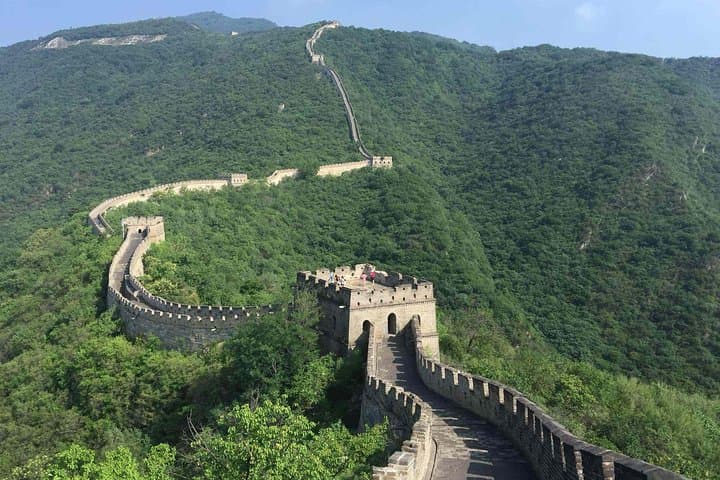
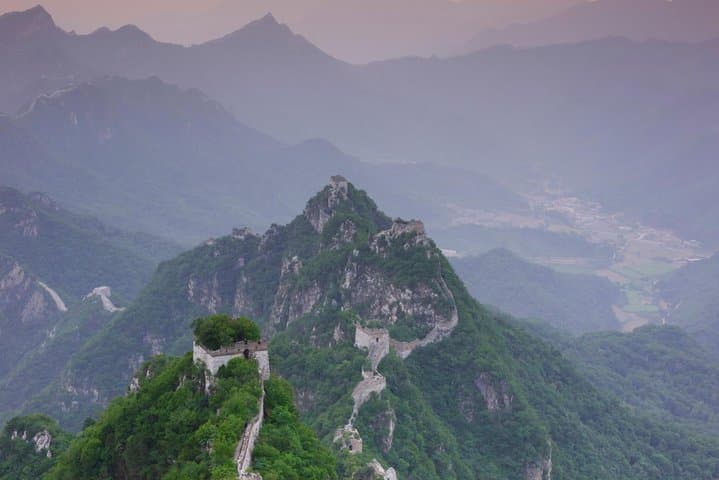
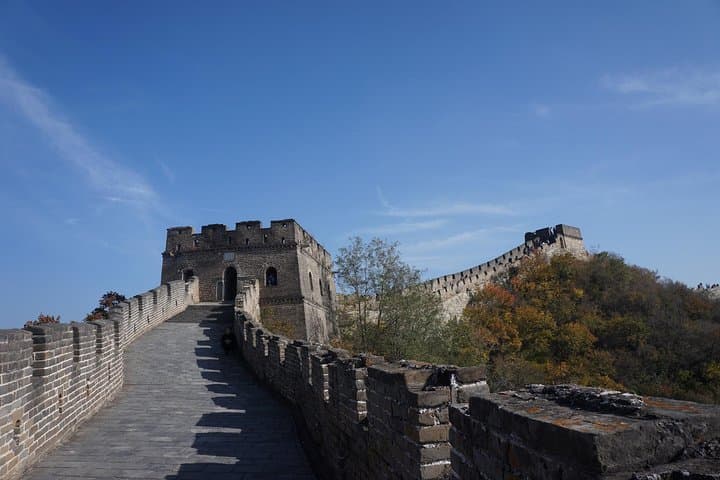
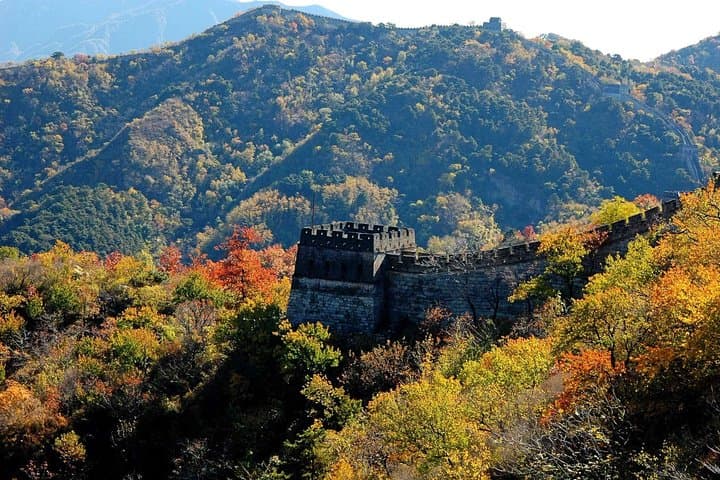
You step off the coach onto a broad stone plaza and hear the wall before you see it: a low, ancient growl of steps that rise and fold along a wooded ridge. At Mutianyu the Great Wall climbs steeply through mixed oak and pine, flanked by streams that chatter down the valley and a line of watchtowers that puncture the skyline.
You step off the coach onto a broad stone plaza and hear the wall before you see it: a low, ancient growl of steps that rise and fold along a wooded ridge. At Mutianyu the Great Wall climbs steeply through mixed oak and pine, flanked by streams that chatter down the valley and a line of watchtowers that puncture the skyline.
Mutianyu is a Ming-dynasty reconstruction older than the more touristed Badaling; its restored section runs about 2,250 meters and contains 22 watchtowers, with the highest tower sitting near 540 meters above sea level. Geologically the wall follows the crests of the Yan Mountains, built from locally quarried stone that anchors the ramparts to the ridge. Local culture threads through the visit: a Chinese-style lunch, a jade workshop stop and a guided tea tasting give context to the wall’s role in trade and defense.
Practically, the day is a seven-hour excursion from Beijing (pick-up within the 4th ring road). You can climb the steeper stair flights, ride the optional cable car or descend by toboggan. Expect uneven stone steps, short steep pitches, and packed crowds at the main viewpoints—early arrival and steady pacing win the best photos.
Bring sturdy shoes, layers and water; plan for sun and sudden wind at the ridge. Photography and short hikes between towers reward effort: sit on the stones, watch the valley, and let the construction’s scale give shape to the long view of China’s past and present.