THE ADVENTURE COLLECTIVE® · Independent discovery and booking for outdoor travel

Trade Beijing traffic for the stone spine of the Mutianyu Great Wall on a full-day group coach tour. Hike about 6 km across restored watchtowers, soak up high-crest views, and return the same day—no lunch included.
Trade Beijing traffic for the stone spine of the Mutianyu Great Wall on a full-day group coach tour. Hike about 6 km across restored watchtowers, soak up high-crest views, and return the same day—no lunch included.
A cool morning gathers at the subway exit as the group assembles; the city drops away and the road climbs into forested ridges. Within 90 minutes the air thins and the Great Wall appears in a ribbon of stone, watchtowers rising like sentries along the spine of the hill. At Mutianyu the wall leans into steep masonry staircases and dense woodland that changes color with the season, daring hikers to climb higher for the view.
Verified experiences and guided adventures in the surrounding area.
Operated by Private China Tours · Beijing, Beijing
A cool morning gathers at the subway exit as the group assembles; the city drops away and the road climbs into forested ridges. Within 90 minutes the air thins and the Great Wall appears in a ribbon of stone, watchtowers rising like sentries along the spine of the hill. At Mutianyu the wall leans into steep masonry staircases and dense woodland that changes color with the season, daring hikers to climb higher for the view.
Mutianyu dates to early medieval fortifications and was extensively rebuilt under the Ming dynasty to protect the approach to Beijing and nearby imperial tombs. Geologically the area is folded granite and schist, producing solid steps and rocky outcrops; culturally, the site sits above Mutianyu Village, where local families have long farmed and run small tea houses for visitors.
Practically, this is a guided group outing: meet at Hepingxiqiao (Line 5, Exit B) early; expect an 8–9 hour round trip including a 1.5-hour drive each way and roughly 6 km on the wall, mostly stone staircases and uneven surfaces. Admission is included; lunch is not, and a downhill cable car is optional at extra cost. Wear grippy shoes, bring 1–1.5 liters of water, sun protection, and layered clothing for changing winds. Pace yourself on the steep towers—many stops reward effort with wide northern plains and close-up sections of restored crenellations. For quieter photos, aim for the first hours after arrival before larger crowds swell. Respect signage and do not climb on unreconstructed sections; the wall’s stone wants to keep standing for future visitors.
moderate.
8–9 hours.
Suitable for people who can walk 6 km on uneven stone steps and climb multiple flights of stairs; basic cardiovascular fitness recommended.
Yes, admission is included in the tour price as noted in the itinerary.
No—this specific option is sold without lunch; plan to bring snacks or buy food at local vendors or in Mutianyu Village.
No, the cable car or chairlift for descent/ascent is optional and charged on-site.
Generally yes—it's listed as suitable for all fitness levels, but children must be accompanied by adults and those with spinal, heart, or pregnancy concerns should avoid strenuous sections.
Mutianyu’s fortifications trace back to early medieval defenses and were heavily rebuilt during the Ming dynasty to secure Beijing’s approaches and nearby imperial tombs.
Stay on marked paths and pack out trash; high visitor numbers and off-trail exploration stress fragile masonry and local vegetation, so follow guide instructions to help preserve the site.
Private China Tours operates guided outdoor trips and adventures with an emphasis on safety, stewardship, and memorable experiences.
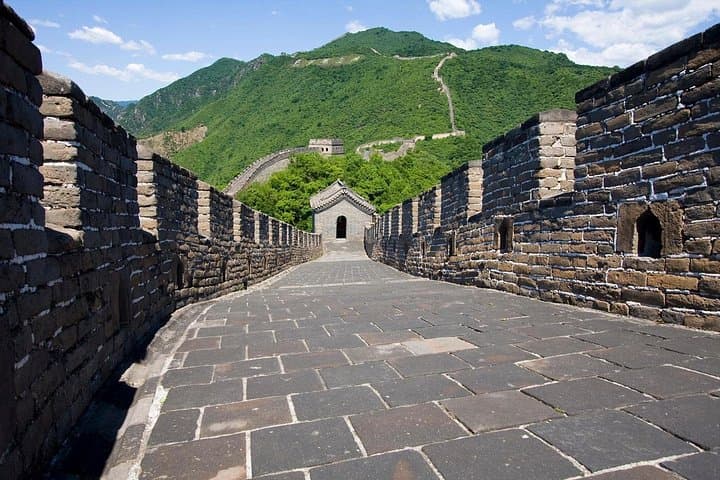
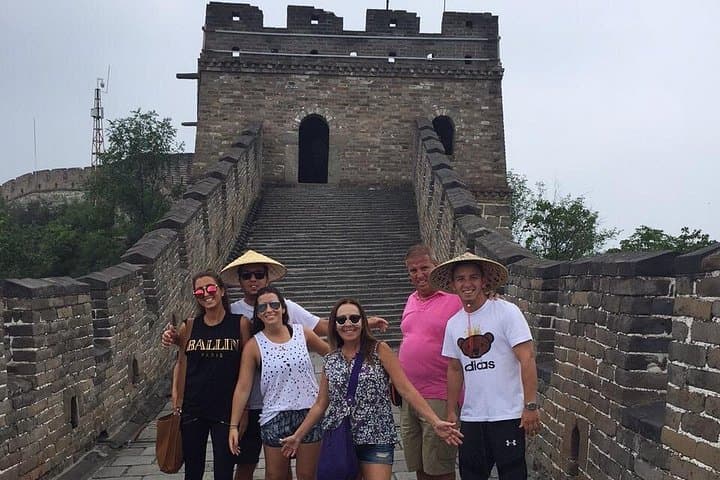
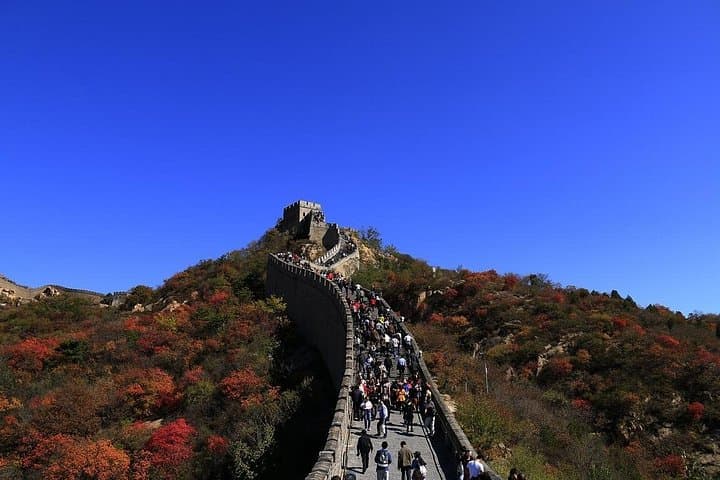
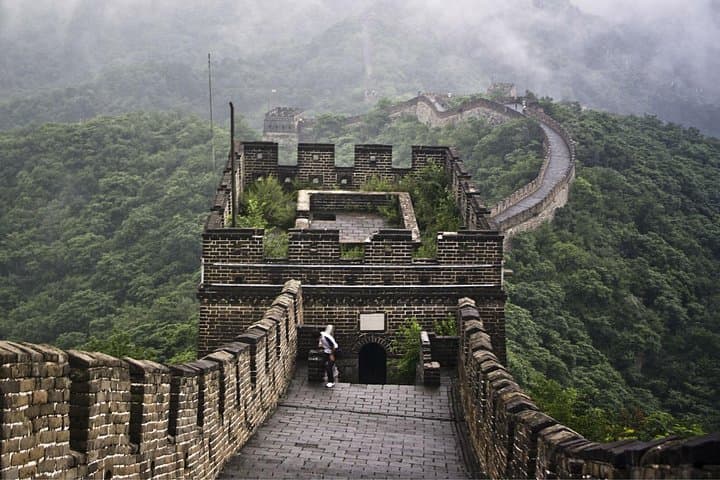
A cool morning gathers at the subway exit as the group assembles; the city drops away and the road climbs into forested ridges. Within 90 minutes the air thins and the Great Wall appears in a ribbon of stone, watchtowers rising like sentries along the spine of the hill. At Mutianyu the wall leans into steep masonry staircases and dense woodland that changes color with the season, daring hikers to climb higher for the view.
A cool morning gathers at the subway exit as the group assembles; the city drops away and the road climbs into forested ridges. Within 90 minutes the air thins and the Great Wall appears in a ribbon of stone, watchtowers rising like sentries along the spine of the hill. At Mutianyu the wall leans into steep masonry staircases and dense woodland that changes color with the season, daring hikers to climb higher for the view.
Mutianyu dates to early medieval fortifications and was extensively rebuilt under the Ming dynasty to protect the approach to Beijing and nearby imperial tombs. Geologically the area is folded granite and schist, producing solid steps and rocky outcrops; culturally, the site sits above Mutianyu Village, where local families have long farmed and run small tea houses for visitors.
Practically, this is a guided group outing: meet at Hepingxiqiao (Line 5, Exit B) early; expect an 8–9 hour round trip including a 1.5-hour drive each way and roughly 6 km on the wall, mostly stone staircases and uneven surfaces. Admission is included; lunch is not, and a downhill cable car is optional at extra cost. Wear grippy shoes, bring 1–1.5 liters of water, sun protection, and layered clothing for changing winds. Pace yourself on the steep towers—many stops reward effort with wide northern plains and close-up sections of restored crenellations. For quieter photos, aim for the first hours after arrival before larger crowds swell. Respect signage and do not climb on unreconstructed sections; the wall’s stone wants to keep standing for future visitors.