THE ADVENTURE COLLECTIVE® · Independent discovery and booking for outdoor travel

A one‑day coach tour from Beijing to Mutianyu covers a restored 2.45 km section of the Great Wall with 26 watchtowers. Expect a 7–8 hour day with around four hours on the wall, uneven stone steps and panoramic ridge views.
A one‑day coach tour from Beijing to Mutianyu covers a restored 2.45 km section of the Great Wall with 26 watchtowers. Expect a 7–8 hour day with around four hours on the wall, uneven stone steps and panoramic ridge views.
You step off the coach into thin, crisp air and the wall rises ahead—stone steps and watchtowers marching up a forested ridge. At Mutianyu the Great Wall is less frenzied than Badaling; here a restored 2,450‑metre stretch threads through larch and pine, punctuated by 26 watchtowers at roughly 120‑metre intervals that keep a slow, deliberate rhythm as you climb.
Verified experiences and guided adventures in the surrounding area.
Operated by Ws China Trips · Beijing, Beijing Municipality
You step off the coach into thin, crisp air and the wall rises ahead—stone steps and watchtowers marching up a forested ridge. At Mutianyu the Great Wall is less frenzied than Badaling; here a restored 2,450‑metre stretch threads through larch and pine, punctuated by 26 watchtowers at roughly 120‑metre intervals that keep a slow, deliberate rhythm as you climb.
Built and rebuilt across dynasties, Mutianyu sits where northern mountain ridges give way to the plains—a strategic spine of Ming military engineering with crenellations, parapets and steep stair pitches. The stone underfoot and mortar between tell a practical story: heavy labor, seasonal freeze‑thaw, and generations maintaining a transport corridor as much as a defensive line. Locals from Huairou historically supplied labor and materials; today the surrounding villages and tea houses retain a quiet rural character.
Practical edge: this is a full‑day group coach tour (about 7–8 hours total). You’ll meet in central Beijing early and hike onsite for roughly four hours. Expect uneven stone steps, short steep pitches and exposed ridgelines where wind pushes at you. Wear sturdy footwear and bring layered clothing—temperatures change quickly on the ridge. Water, sunscreen and a camera are musts; food is available back in town but not always on the wall.
Timing matters—arrive early with your passport paperwork in order to breeze through check‑ins. Whether you take the cable car up or hoof it from the base, Mutianyu delivers sweeping views and watchtowers that feel like checkpoints in history, each one daring you to climb higher.
moderate.
7–8 hours.
Comfortable with several hours of walking, frequent stairs and short steep sections; good cardiovascular baseline recommended.
Yes—admission to the Mutianyu section is included as stated in the itinerary.
Meet at Exit B of Hepingxiqiao Station on Beijing Subway Line 5 at the specified time; taxis and ride‑share are alternatives.
Cable car and toboggan rides are typically optional and paid locally; the tour covers hiking on the wall itself.
No—stone steps and steep sections make accessibility limited; not recommended for those with spinal or serious mobility issues.
Mutianyu was rebuilt during the Ming dynasty to strengthen defenses east of Juyongguan and linked historic passes across the northeastern approaches to Beijing.
Foot traffic and freeze‑thaw cycles stress the masonry; stick to restored paths and avoid removing stones or graffiti to protect the structure.
Ws China Trips operates guided outdoor trips and adventures with an emphasis on safety, stewardship, and memorable experiences.


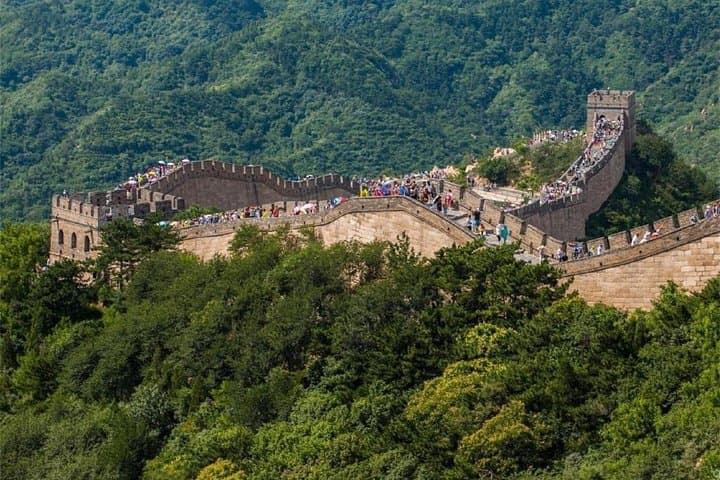
You step off the coach into thin, crisp air and the wall rises ahead—stone steps and watchtowers marching up a forested ridge. At Mutianyu the Great Wall is less frenzied than Badaling; here a restored 2,450‑metre stretch threads through larch and pine, punctuated by 26 watchtowers at roughly 120‑metre intervals that keep a slow, deliberate rhythm as you climb.
You step off the coach into thin, crisp air and the wall rises ahead—stone steps and watchtowers marching up a forested ridge. At Mutianyu the Great Wall is less frenzied than Badaling; here a restored 2,450‑metre stretch threads through larch and pine, punctuated by 26 watchtowers at roughly 120‑metre intervals that keep a slow, deliberate rhythm as you climb.
Built and rebuilt across dynasties, Mutianyu sits where northern mountain ridges give way to the plains—a strategic spine of Ming military engineering with crenellations, parapets and steep stair pitches. The stone underfoot and mortar between tell a practical story: heavy labor, seasonal freeze‑thaw, and generations maintaining a transport corridor as much as a defensive line. Locals from Huairou historically supplied labor and materials; today the surrounding villages and tea houses retain a quiet rural character.
Practical edge: this is a full‑day group coach tour (about 7–8 hours total). You’ll meet in central Beijing early and hike onsite for roughly four hours. Expect uneven stone steps, short steep pitches and exposed ridgelines where wind pushes at you. Wear sturdy footwear and bring layered clothing—temperatures change quickly on the ridge. Water, sunscreen and a camera are musts; food is available back in town but not always on the wall.
Timing matters—arrive early with your passport paperwork in order to breeze through check‑ins. Whether you take the cable car up or hoof it from the base, Mutianyu delivers sweeping views and watchtowers that feel like checkpoints in history, each one daring you to climb higher.