THE ADVENTURE COLLECTIVE® · Independent discovery and booking for outdoor travel

Spend a day on the restored Mutianyu section of the Great Wall with coach transfers, lunch, and an English guide. This practical day tour combines accessible transport with enough time to explore higher towers, forested slopes, and sweeping ridge views.
Spend a day on the restored Mutianyu section of the Great Wall with coach transfers, lunch, and an English guide. This practical day tour combines accessible transport with enough time to explore higher towers, forested slopes, and sweeping ridge views.
Early light slides across a serrated line of stone as the coach eases into the parking area below Mutianyu. Visitors spill out into crisp mountain air; the wall rises above them, a ladder of watchtowers punctuating the ridge. The place feels engineered for movement — stairs, ramparts, and clear sightlines that demand a steady pace and attention.
Verified experiences and guided adventures in the surrounding area.
Operated by Century Holiday · Beijing, Beijing
Early light slides across a serrated line of stone as the coach eases into the parking area below Mutianyu. Visitors spill out into crisp mountain air; the wall rises above them, a ladder of watchtowers punctuating the ridge. The place feels engineered for movement — stairs, ramparts, and clear sightlines that demand a steady pace and attention.
Mutianyu was first fortified in the Northern Qi (550–557) and rebuilt during the Ming dynasty; the section today features roughly 2–2.5 km of restored wall and about 20–25 watchtowers sitting on ridgelines between 600–700 m elevation. Granite and brick steps alternate with long stretches of rampart, reflecting centuries of military engineering and the local geology of granite outcrops and forested slopes.
Culturally this is a working tourist landscape: cable cars and a shuttle ease access, and local restaurants serve hearty northern Chinese lunches. The wall is busy midday; quieter windows occur at opening and late afternoon. Expect birdsong, the persistent wind along the ridge, and a crowd that thins if you press past the main viewpoints to less-traveled towers.
Practical guidance: arrive with sturdy shoes for uneven stone steps, bring water and sun protection, and allow 3–4 hours to explore if you take the cable car or 4+ if hiking both ways. The tour includes round-trip coach transport, admission, an English guide, internal shuttles and lunch, but optional cable-car and toboggan fees are extra. Be punctual for the 7:40 am meeting and carry a metro plan for the afternoon return — the coach drops off near a Line 2 station to avoid rush-hour restrictions.
moderate.
4–8 hours.
Moderate fitness recommended—able to climb uneven stone steps and walk several kilometers over variable terrain.
The itinerary allows roughly four hours at Mutianyu for walking, lunch, and optional cable-car rides within an eight-hour round-trip tour.
No. Admission to Mutianyu is included, but cable car, chairlift, and toboggan ride fees are optional extras paid on site.
There are shuttle buses and cable cars to reduce walking, but the wall itself has many stairs and uneven surfaces, so mobility limitations may make full exploration difficult.
To avoid afternoon downtown restrictions the coach typically returns to a nearby Line 2 subway station—confirm the exact station and recommended exit with your guide before the tour ends.
Mutianyu was fortified in Northern Qi and substantially rebuilt under the Ming dynasty; many of the watchtowers you see today date to that reconstruction.
Stick to restored paths and avoid stepping on the ramparts; the section is actively managed for preservation and heavy foot traffic can accelerate wear.
Century Holiday operates guided outdoor trips and adventures with an emphasis on safety, stewardship, and memorable experiences.
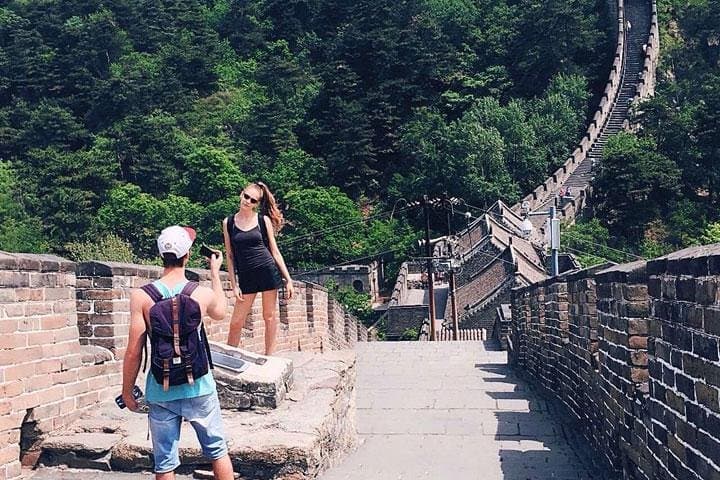
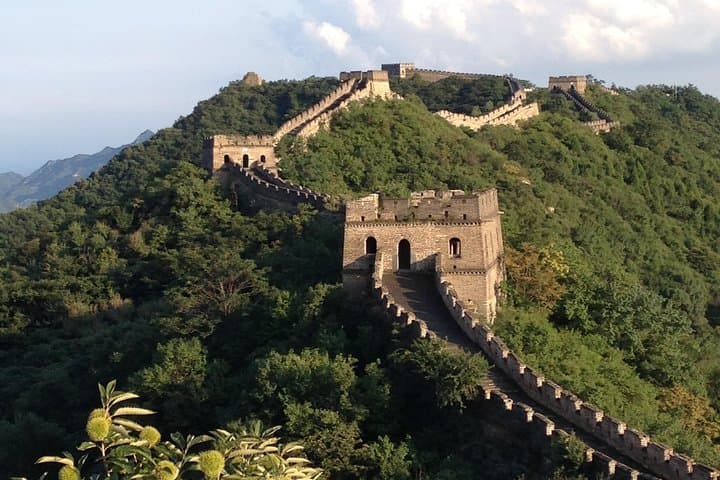
Early light slides across a serrated line of stone as the coach eases into the parking area below Mutianyu. Visitors spill out into crisp mountain air; the wall rises above them, a ladder of watchtowers punctuating the ridge. The place feels engineered for movement — stairs, ramparts, and clear sightlines that demand a steady pace and attention.
Early light slides across a serrated line of stone as the coach eases into the parking area below Mutianyu. Visitors spill out into crisp mountain air; the wall rises above them, a ladder of watchtowers punctuating the ridge. The place feels engineered for movement — stairs, ramparts, and clear sightlines that demand a steady pace and attention.
Mutianyu was first fortified in the Northern Qi (550–557) and rebuilt during the Ming dynasty; the section today features roughly 2–2.5 km of restored wall and about 20–25 watchtowers sitting on ridgelines between 600–700 m elevation. Granite and brick steps alternate with long stretches of rampart, reflecting centuries of military engineering and the local geology of granite outcrops and forested slopes.
Culturally this is a working tourist landscape: cable cars and a shuttle ease access, and local restaurants serve hearty northern Chinese lunches. The wall is busy midday; quieter windows occur at opening and late afternoon. Expect birdsong, the persistent wind along the ridge, and a crowd that thins if you press past the main viewpoints to less-traveled towers.
Practical guidance: arrive with sturdy shoes for uneven stone steps, bring water and sun protection, and allow 3–4 hours to explore if you take the cable car or 4+ if hiking both ways. The tour includes round-trip coach transport, admission, an English guide, internal shuttles and lunch, but optional cable-car and toboggan fees are extra. Be punctual for the 7:40 am meeting and carry a metro plan for the afternoon return — the coach drops off near a Line 2 station to avoid rush-hour restrictions.